20 Japandi-Inspired Interiors That Make Minimalism Feel Luxurious
If you’re anything like me , endlessly scrolling Pinterest late at night, swooning over those dreamy minimalist rooms that look cozy yet serene , then welcome, friend.
Today we’re diving deep into Japandi interiors: the warm, soothing, harmoniously minimalist home style that blends the best of Scandinavian simplicity and Japanese Zen elegance.
In this post, we’ll walk through 20 calm and minimalist home ideas you can start using right now to turn your home into a serene, stylish sanctuary.
It’s like coffee and décor chat with your bestie cozy, creative, and full of inspiration.
You’ll learn:
- What makes Japandi style so special — and why it feels like a warm hug.
- 20 actionable, Pinterest-ready design ideas you can mix and match.
- Practical tips, styling tricks, and common mistakes to avoid (so your space looks Pinterest-fabulous, not chaotic).
- How to start small — even if you’re renting or decluttering your first apartment.
So grab a cup of tea (or treat yourself to something fancier), settle in, and let’s transform your space — one calm, intentional step at a time.
What Is “Japandi” And Why It’s Taking Over Home Décor Boards
Before we dive into the ideas, let’s get on the same page: what exactly is Japandi?
In a nutshell, Japandi is a hybrid interior design style that blends two major aesthetics:
- The minimalist, functional, light-filled vibe of Scandinavian design (think clean lines, airy spaces, cozy textures), and
- The Zen, natural, understated elegance of Japanese interior styling (think wood, simple forms, calm minimalism, wabi-sabi imperfection).
What you get is a space that feels intentional, calm, and effortlessly beautiful — no loud patterns or clutter, just harmony. The vibe is zen-meets-warmth, minimal-meets-cozy.
Why is it so on-trend? Because in our busy chaotic world, we crave calm, clarity, and mindful living. Japandi spaces remind us to breathe, slow down, and enjoy the beauty in simplicity.
1. Neutral, Nature‑Inspired Color Palette
The Mood: Soft, Grounded, Calm
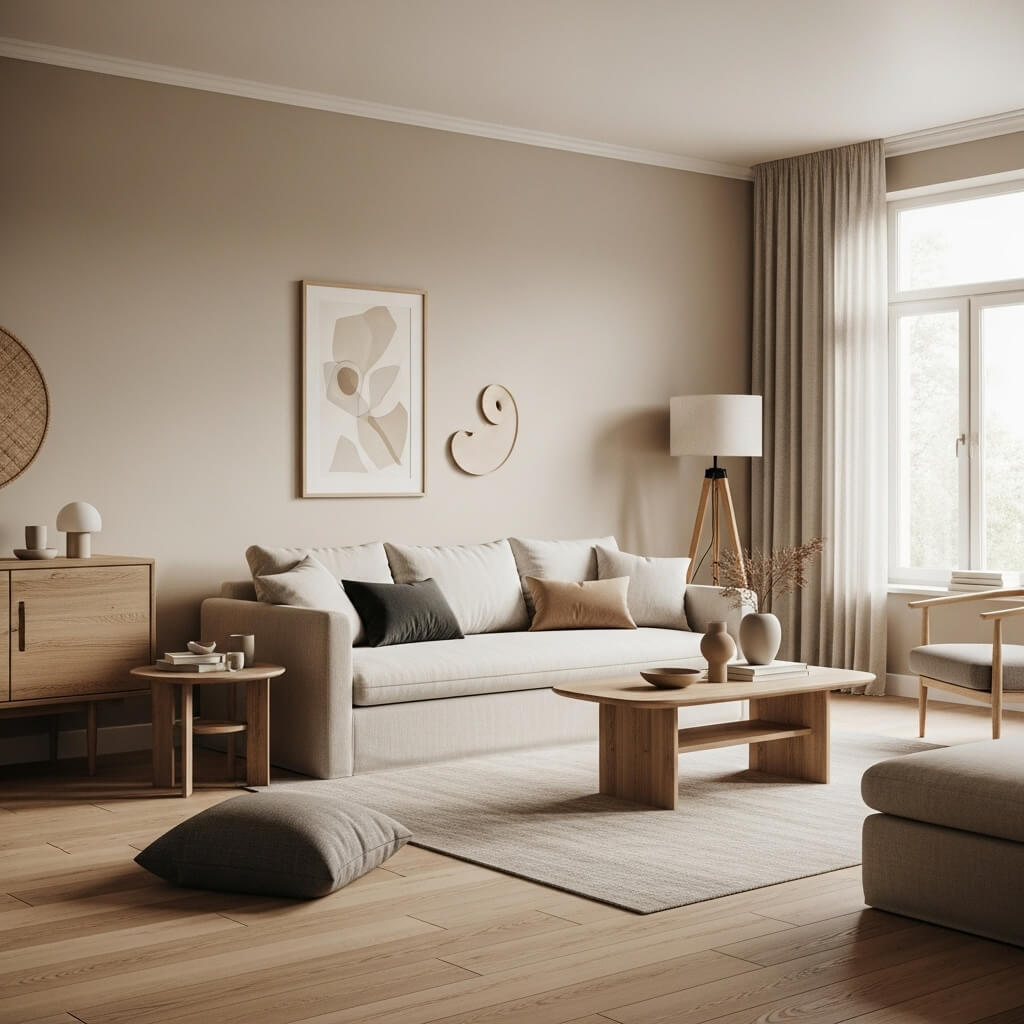
One of the defining features of Japandi interiors is a color palette pulled straight from nature — soft beiges, warm whites, muted creams, gentle greys, and earthy tones like driftwood brown or clay. These hues don’t shout; they whisper.
Imagine: light oak floors, a linen‑covered sofa in pale cream, walls painted in a soft greige (that’s grey + beige), maybe a charcoal cushion or two — minimal contrast, maximum calm.
How to Use It
- Paint walls in warm neutrals rather than bright white — it feels cozier and more inviting.
- Use accent tones sparingly: one darker shade (like charcoal or slate) or one soft earthy hue (sage, terracotta) to add depth.
- For small rooms: stick to two or three main tones max — it keeps the space cohesive and visually uncluttered.
Pro tip: Warm neutrals photograph beautifully — so your living room will look as dreamy on Instagram or Pinterest as it feels IRL.
2. Low‑Profile, Streamlined Furniture
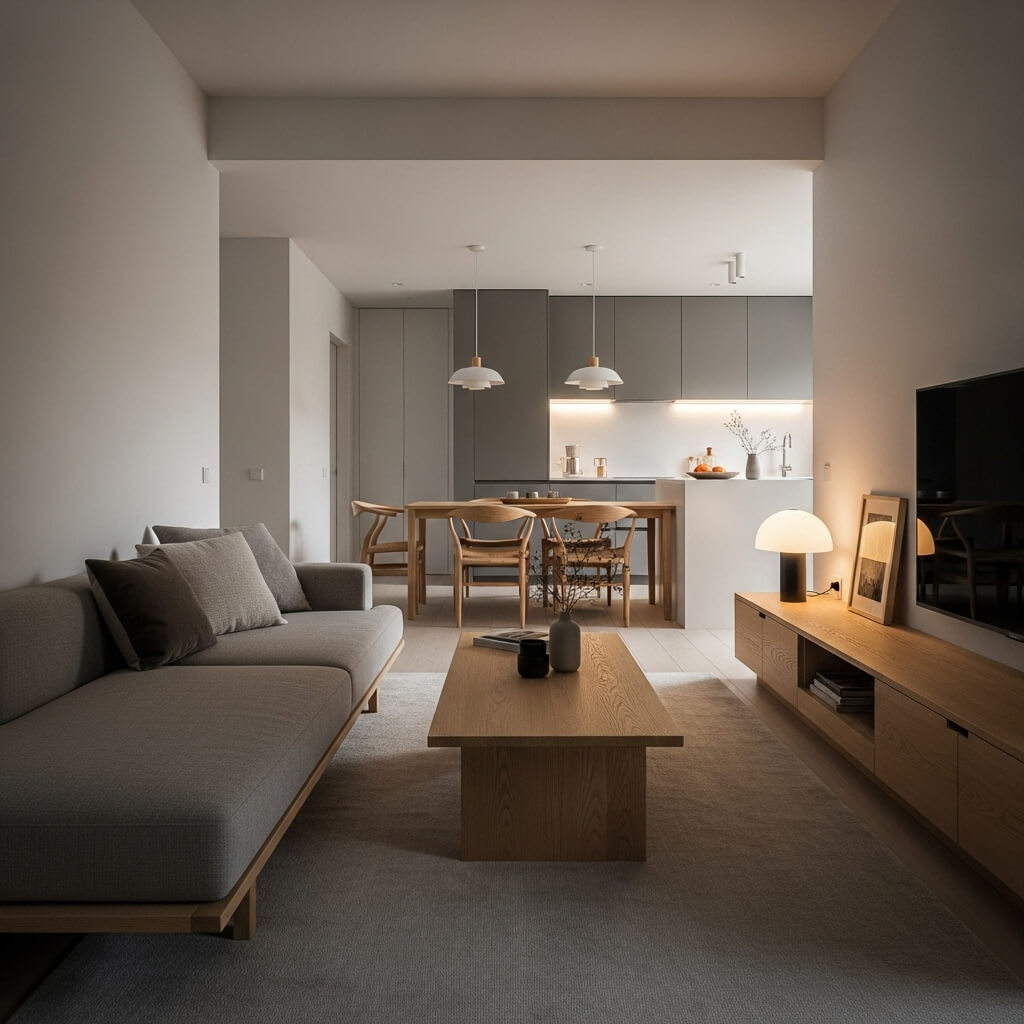
If there’s one thing Scandinavian design knows how to do, it’s respecting negative space. Japandi takes that to heart with low-profile furniture: think sofas that sit close to the floor, minimalist coffee tables, benches instead of bulky armchairs.
Why It Works
- Lower furniture keeps sightlines open, making rooms feel airier and more spacious.
- Streamlined silhouettes prevent the room from feeling visually heavy — which is key when you’re going for that light, calm, uncluttered vibe.
How to Choose Pieces
- Look for furniture with simple, clean lines — no ornate carving or heavy ornamentation.
- Opt for natural wood frames or neutral upholstery.
- Avoid overly high backs or bulky shapes; instead, choose sleek, understated silhouettes.
3. Natural Materials & Organic Textures
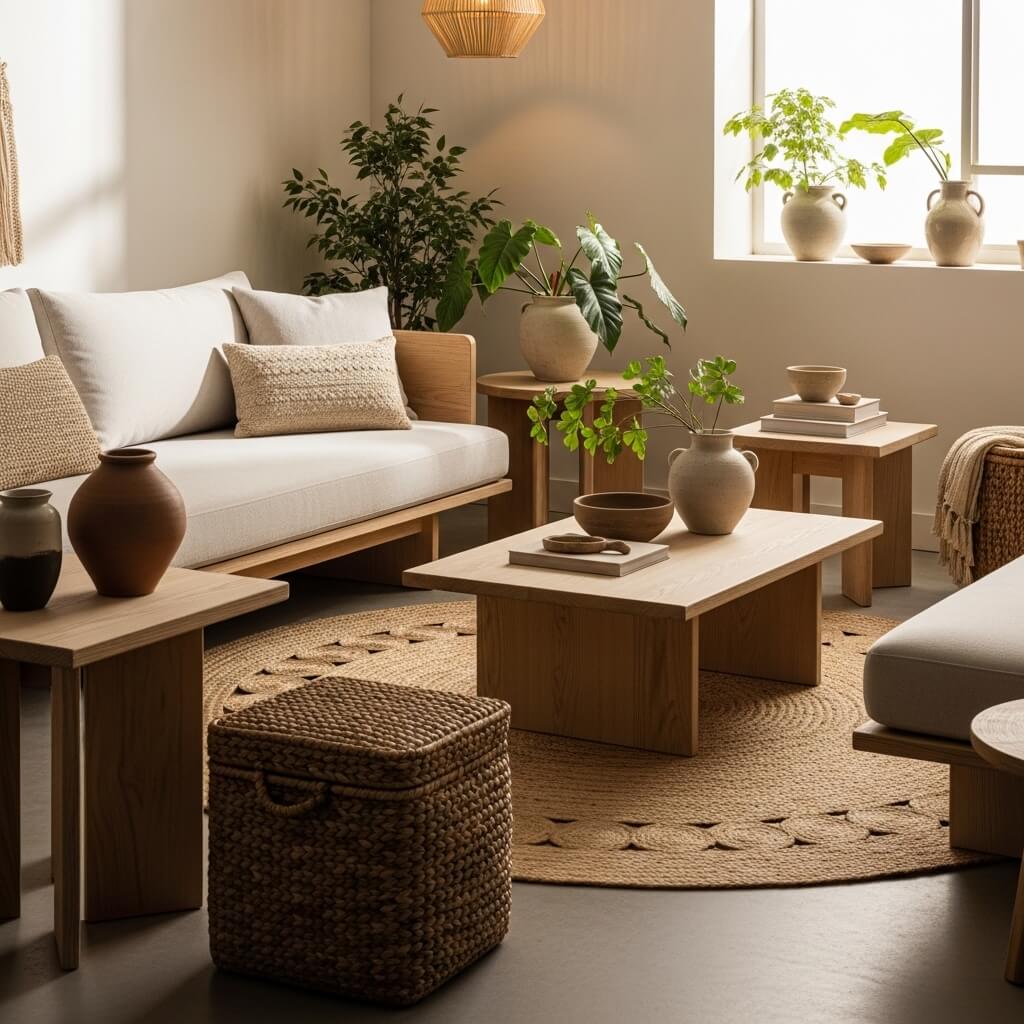
One of the things I adore about Japandi is its love affair with nature’s textures. Instead of gloss and sheen, think matte wood, linen, cotton, clay, rattan, bamboo.
Why? Because natural materials age beautifully, they feel warm to the touch, and they instantly evoke calm.
Styling Tips
- Use a light oak or pine wood for furniture it adds warmth without overpowering the minimal vibe.
- Mix in textured materials: a jute rug, linen curtains, a rattan basket, clay pottery — the contrast of textures adds depth without clutter.
- When it comes to finishes: matte > glossy. Matte wood looks more natural, more lived-in, more “zen cottage.”
4. Minimal Clutter, Mindful Accessory Selection
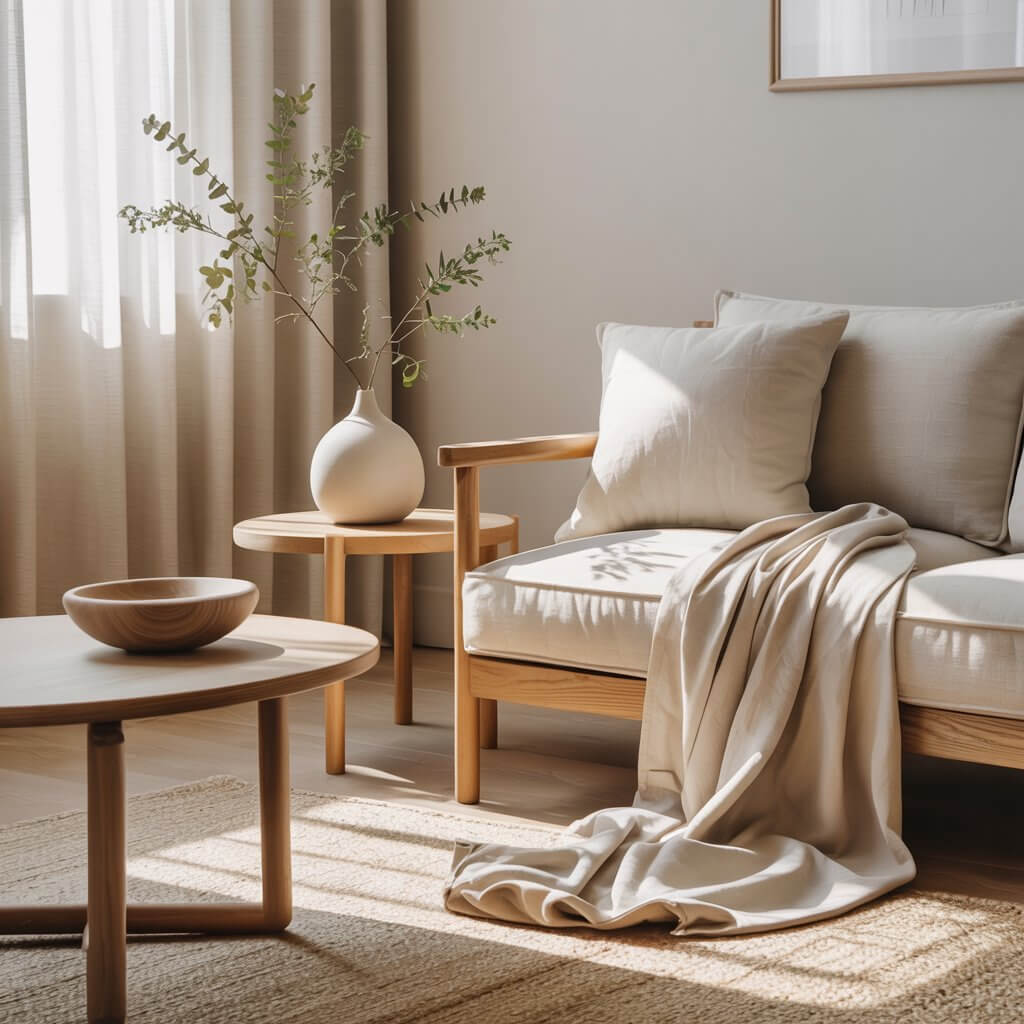
Here’s where some people trip up — minimal doesn’t mean boring. It means intentional.
Rather than filling surfaces with random stuff, Japandi encourages selecting a few meaningful, high-quality accessories.
How to Keep It Intentional
- Follow the “one in, one out” rule: for every new decorative item, remove something else.
- Choose pieces with function + beauty: a sculptural bowl that holds keys, a simple ceramic vase for fresh flowers, or a cozy throw over the sofa.
- Resist the urge to fill empty space with “something.” Often, empty space is the best accessory of all. It gives your décor room to breathe.
5. Low‑Lying Furniture & Floor Seating
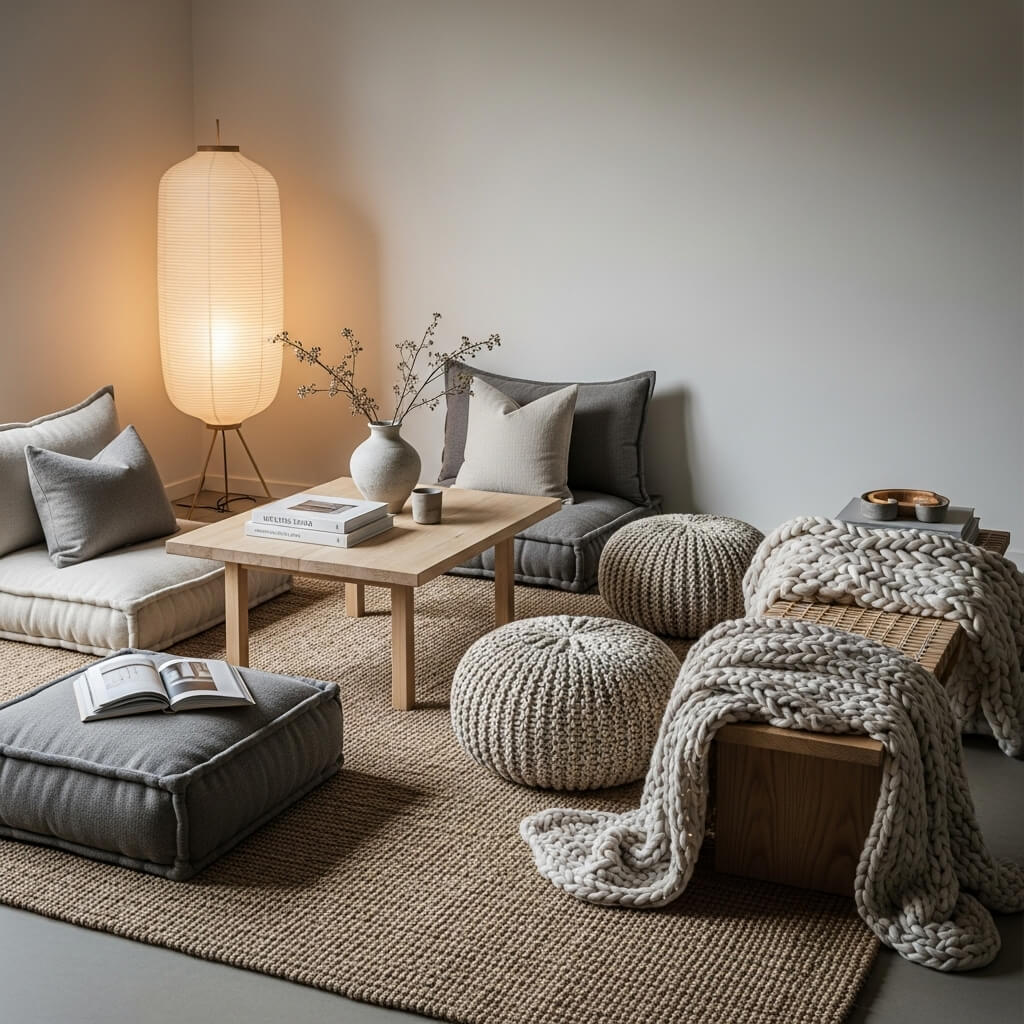
One of the coolest things about Japandi: you don’t have to be stuck with traditional chairs and sofas. Floor seating — low tables, cushions, floor chairs — is a staple.
Why Floor Seating?
- It creates a casual, intimate atmosphere — think cozy tea mornings or lounging with a book on the floor.
- It reinforces the grounded, Zen vibe: we sit closer to the earth, and it feels calming.
Styling Ideas
- A low wooden coffee table + a few large floor cushions = instant minimalist lounge corner.
- Use textured mats or rugs under floor seating to define the space. Think jute, flat weave, or lightly patterned, natural-fiber rugs.
- Keep blankets or soft throws nearby — perfect for chilly evenings or spontaneous lounging.
6. Scandinavian‑Japanese Furniture Mix
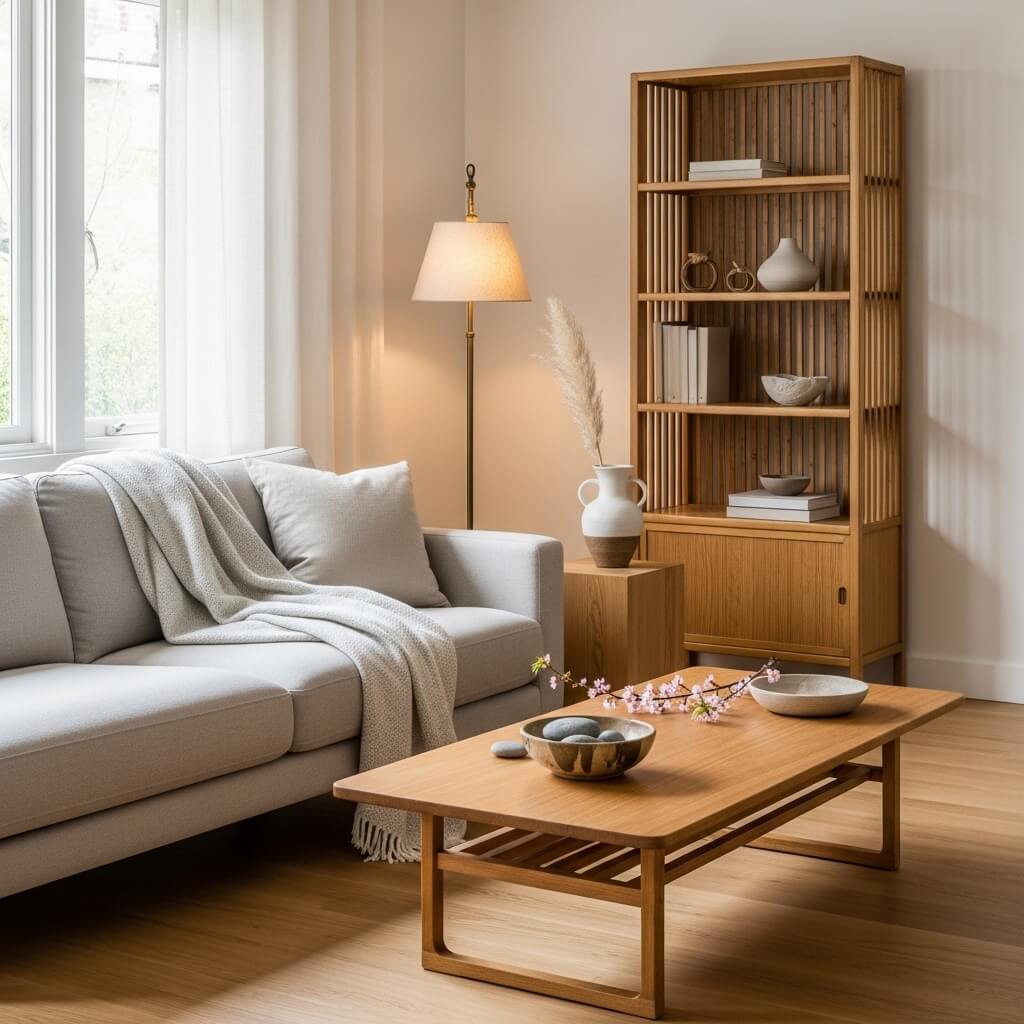
Part of what makes Japandi so unique is its ability to blend Scandinavian coziness with Japanese simplicity.
This means mixing Scandi furniture (think soft, minimalist, functional) with Japanese craft-inspired pieces (clean, low, tonal).
How to Pull It Off
- Choose a Scandi‑style sofa (simple silhouette, neutral upholstery) and pair it with a Japanese-style low wooden table or bench.
- Combine Scandinavian textiles (like a wool throw) with Japanese ceramics or pottery for decor.
- Let one style lead (Scandi comfort or Japanese minimalism) and have the other whisper in — mixing boldly can backfire.
7. Warm Woods & Light Oak — The Foundation of Calm
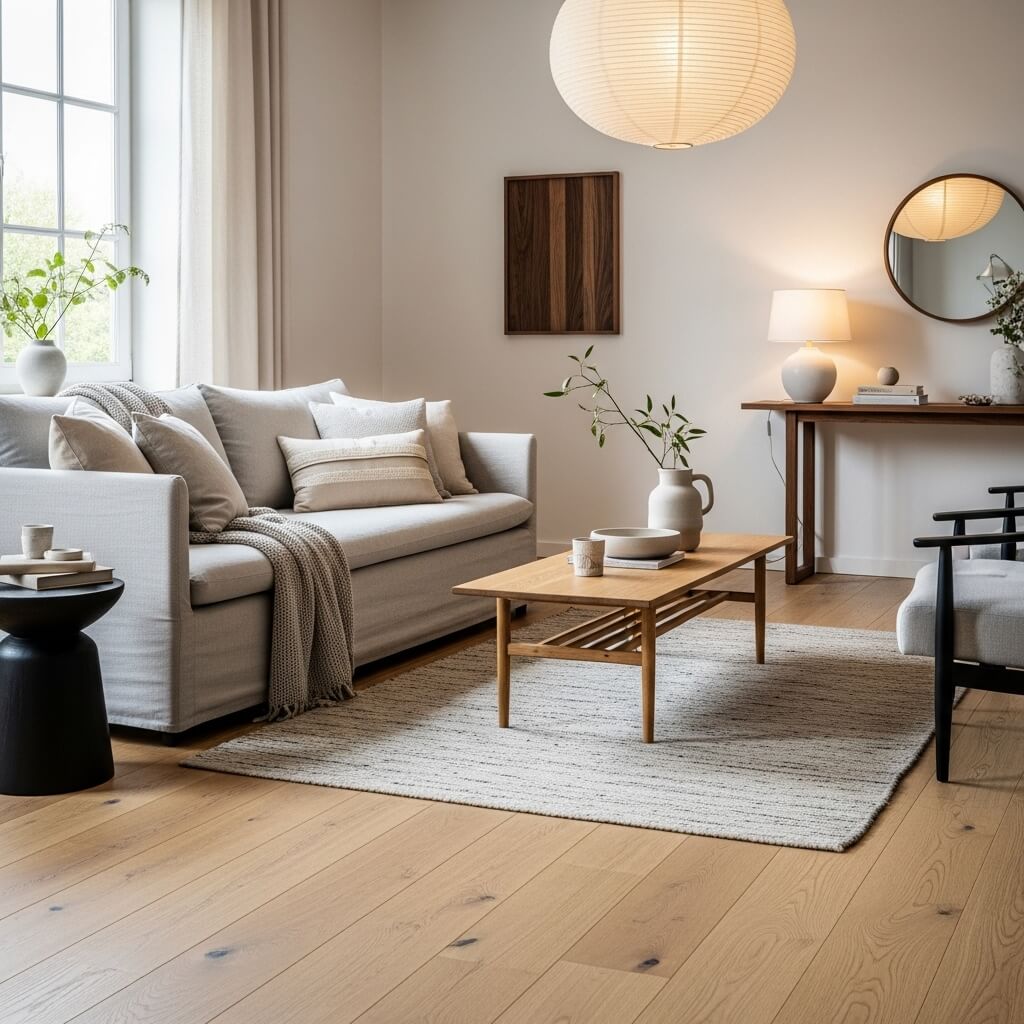
In Japandi homes, wood is the hero. But not any wood — warm, light-toned wood like oak, ash, or beech.
Why Light Wood Works
- It brightens the space while keeping a natural, organic feeling.
- It pairs wonderfully with neutral textiles and earth-toned accents.
- Over time, light wood develops a patina — a softwear that feels lived-in and cozy.
Try This Combo
- Light wood flooring (or laminate/engineered wood with light oak finish).
- Matching wood furniture: coffee table, dining table, nightstands.
- Accents of darker wood, charcoal metal, or black ceramics to create subtle contrast.
8. Simple, Functional Storage Solutions
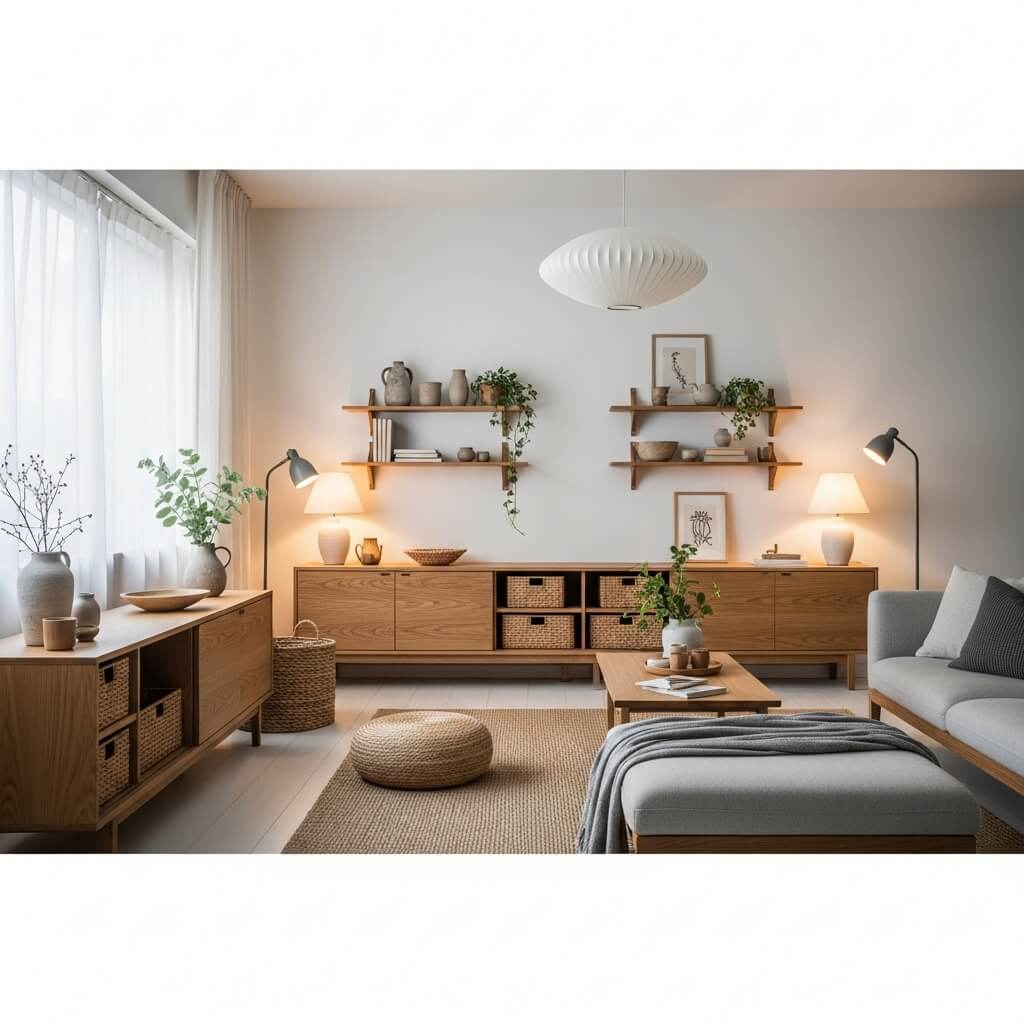
Minimalism doesn’t mean your space has to be empty — it means everything has a place. Real, usable storage is key to Japandi.
What to Look For
- Built-in storage or furniture with hidden storage (benches, sideboards, low cabinets).
- Supple baskets, boxes, or trays made of natural fiber or wood to store small items.
- Use vertical space wisely — like simple shelves — but don’t overdo it.
Quick Wins
- Use a minimalist media console with closed cupboards instead of an open shelf chaos.
- Hide remotes, chargers, and cables in a wooden tray or drawer instead of letting them roam free.
- Invest in stylish storage baskets — great for blankets, kids’ toys, or clutter — but that still look cohesive with your décor.
9. Greenery and Minimal Indoor Plants
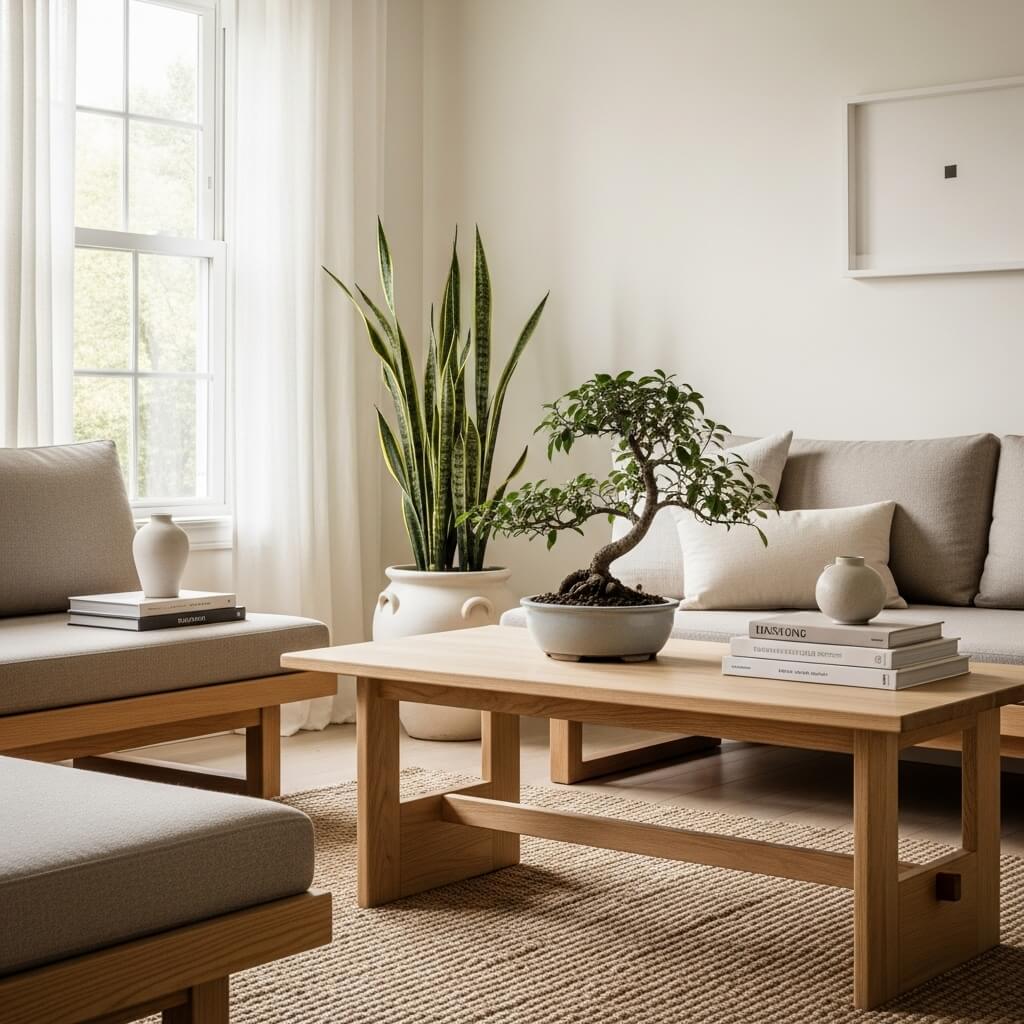
A little bit of nature goes a long way. In Japandi homes, greenery isn’t just decoration — it’s life. A single plant can bring freshness, calm, and softness to a minimalist space.
How to Choose Plants
- Opt for simple, sculptural plants — like a small fern, a peace lily, a bonsai, or a snake plant.
- Use ceramic or clay pots in neutral tones rather than flashy plastic ones.
- Keep the number of plants modest — one or two strategically placed pieces is often enough.
Where to Place Them
- On a windowsill with soft linen curtains.
- In a corner next to light wood furniture for a natural contrast.
- On low tables or shelves to keep the eye moving fluidly through the room.
10. Soft, Natural Lighting & Paper Lamps
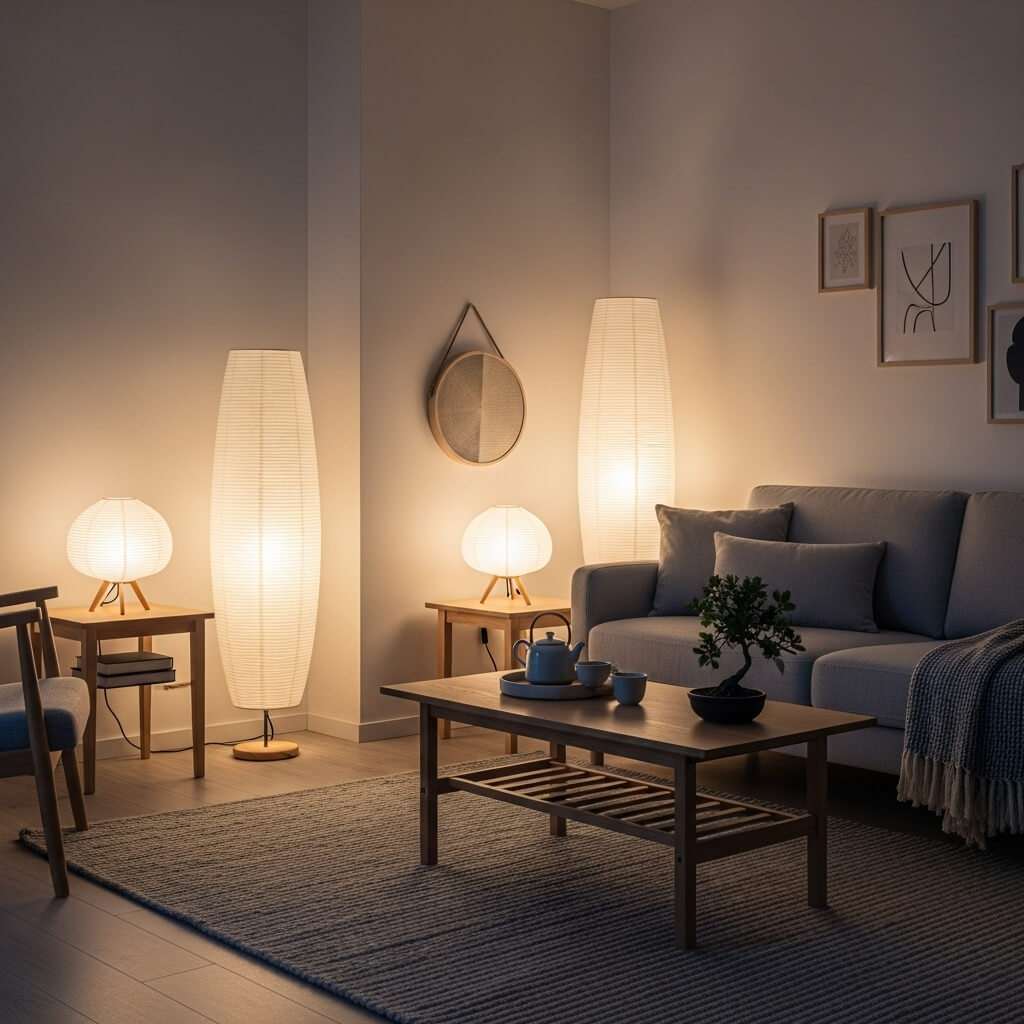
Lighting can make or break a space. Harsh overhead lights? Not in a Japandi home. Think soft, diffused, warm light that makes everything feel cozy and calm.
Lighting Ideas
- Use paper lantern-style lamps or shōji-style floor lamps — the kind that scatter light gently, like sunshine through rice paper.
- Rely on soft warm bulbs (2700–3000K) rather than cool white. Warm light makes neutrals glow and wood tones sing.
- Combine multiple light sources — a floor lamp, a small table lamp, maybe a wall sconce — to create layered, ambient light.
11. Texture Layering, Linen Curtains, Wool Rugs, Cotton Throws
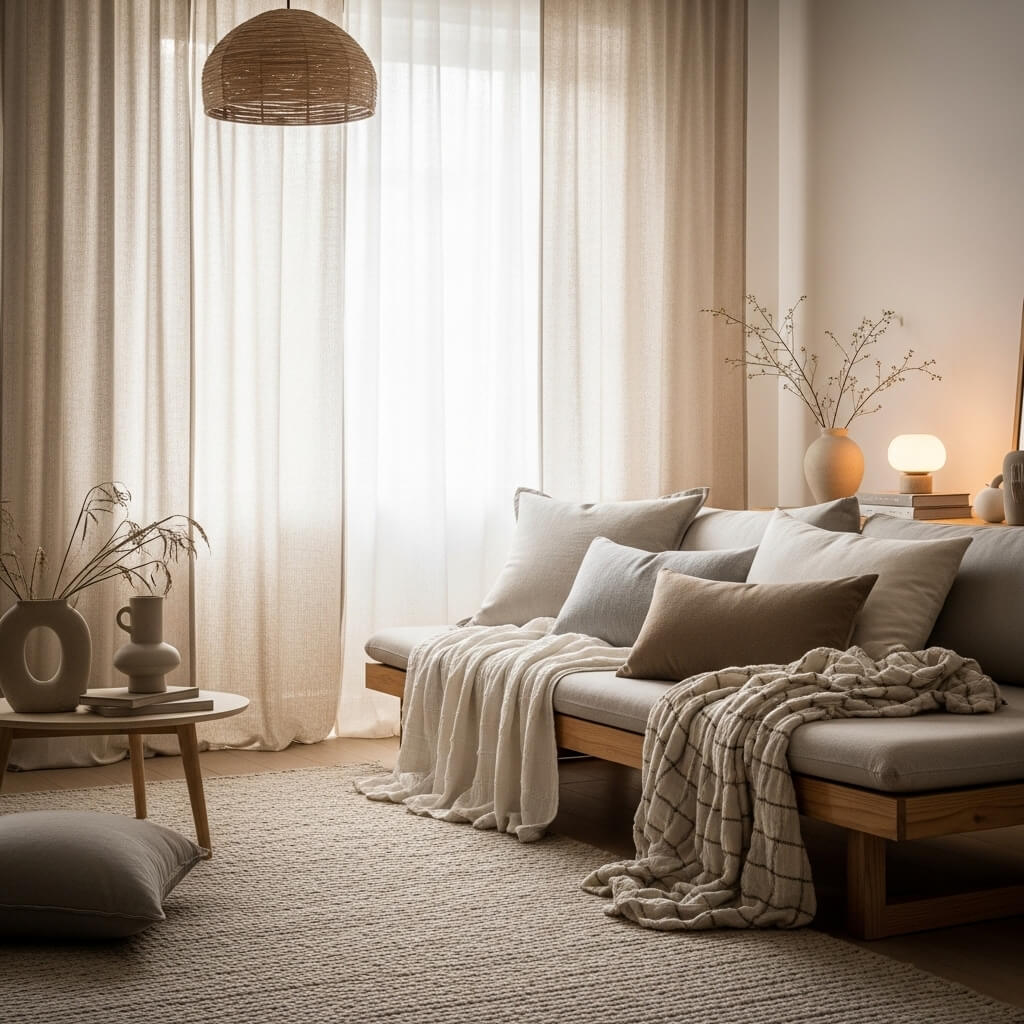
Minimal doesn’t mean flat. The beauty of Japandi is in layering textures — subtle contrasts that feel warm, tactile, and real.
How to Layer Textures
- Use linen curtains for softness and a dreamy, light-filtering quality.
- Add a wool or natural-fiber rug — rug that’s slightly rough or nubby adds depth and coziness.
- Toss in cotton or linen throws, wool pillows, maybe a knit pouf — small touches that make spaces feel homey without clutter.
12. One Statement Piece Per Room
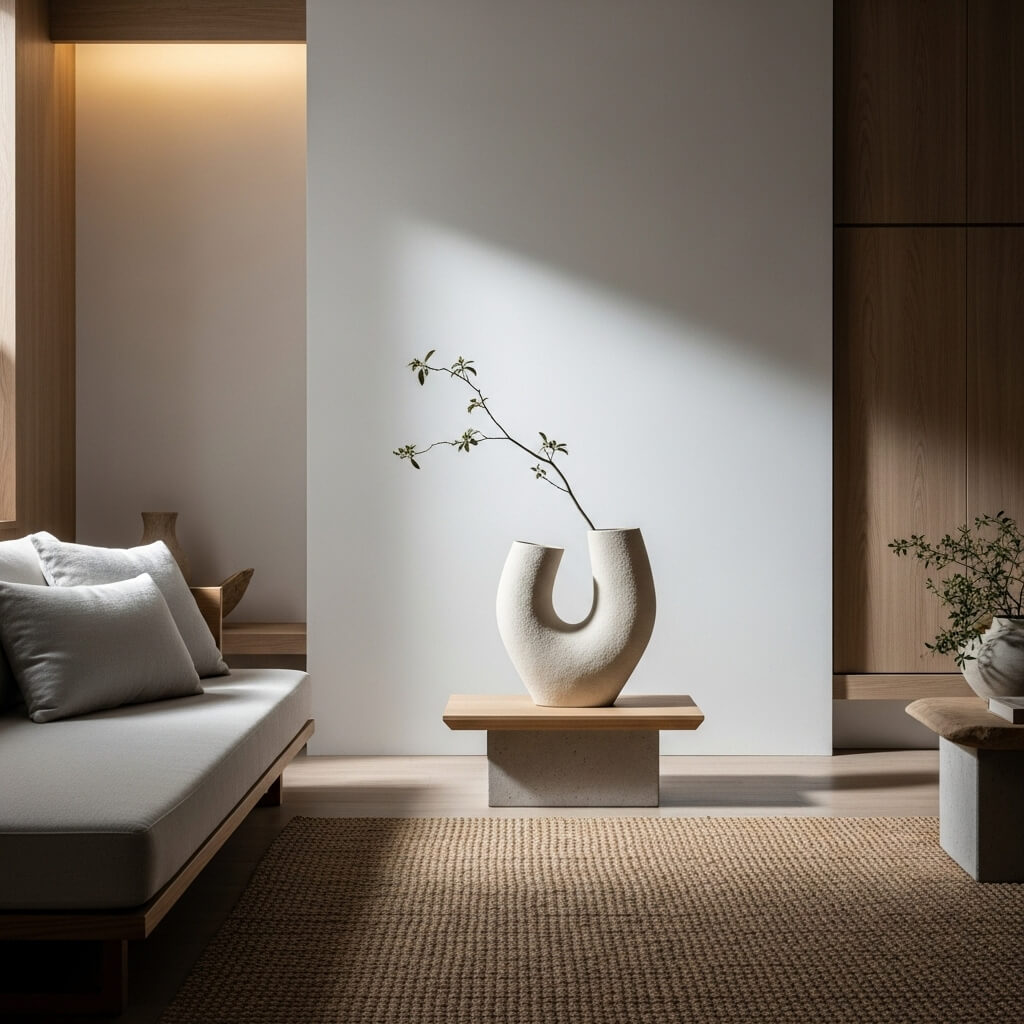
Japandi isn’t about filling every corner with stuff. Instead, choose one meaningful, beautiful statement piece per room — a piece of furniture, a large plant, an art piece, whatever calls to you.
Why It Works
- It gives your space character without breaking minimalism.
- It invites the eye to pause, appreciate — like a little “take a breath” moment in the room.
- It creates balance: minimal surroundings emphasize the beauty of that one carefully chosen item.
What Counts as a Statement Piece
- A sculptural ceramic vase.
- A handcrafted wooden coffee table with visible wood grain.
- A large floor plant.
- A beautifully textured rug.
13. Monochrome Accents & Minimal Contrast
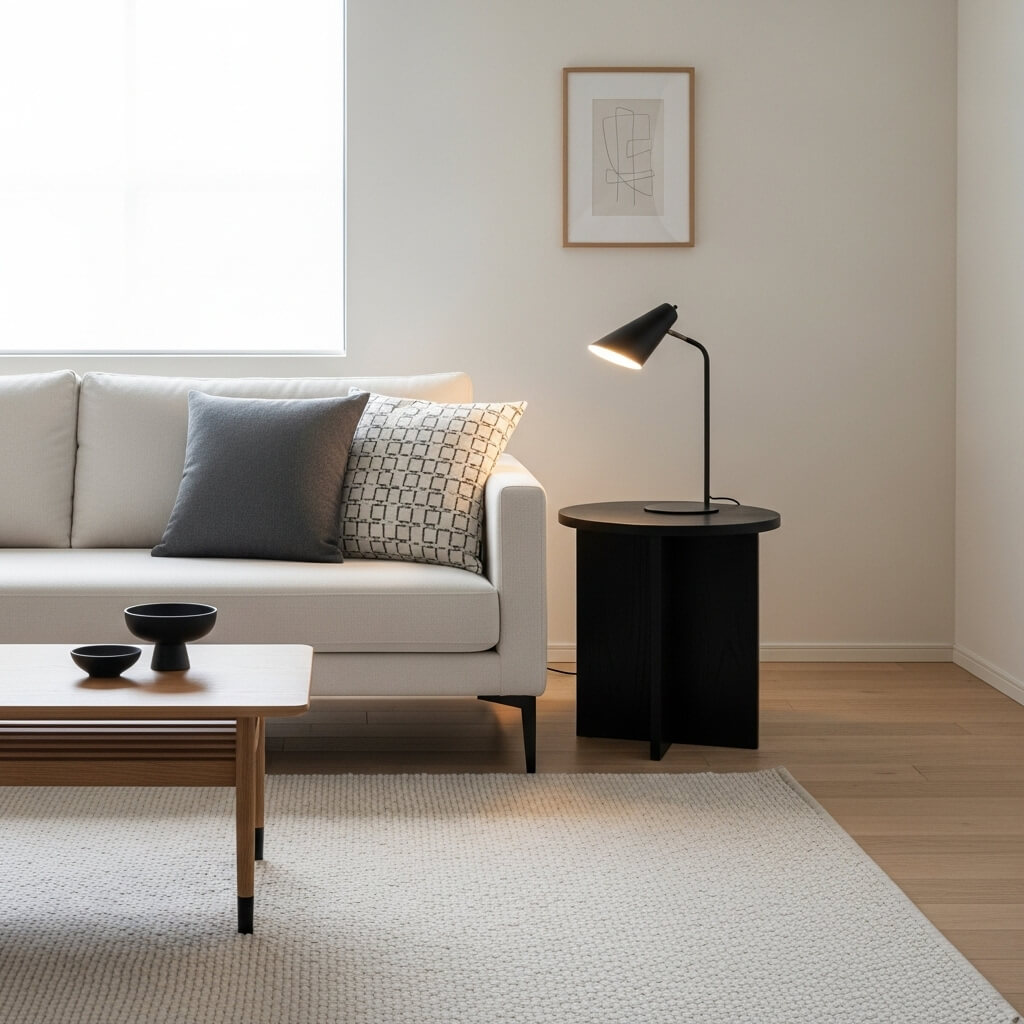
Once you’ve built your neutral base — light wood, off‑white linen, natural textures — you can spice things up slightly with monochrome accents: think charcoal, slate, black, deep forest green. But the key is subtle contrast, not shock value.
How to Use Accents Wisely
- Add a single black or charcoal element — maybe a small side table, a cushion, a lamp base.
- Use deep earthy tones — e.g. a dark sage cushion, a terracotta pot — but sparsely.
- Aim for just enough contrast to add depth, not clutter.
14. Calm, Cozy Reading Nooks
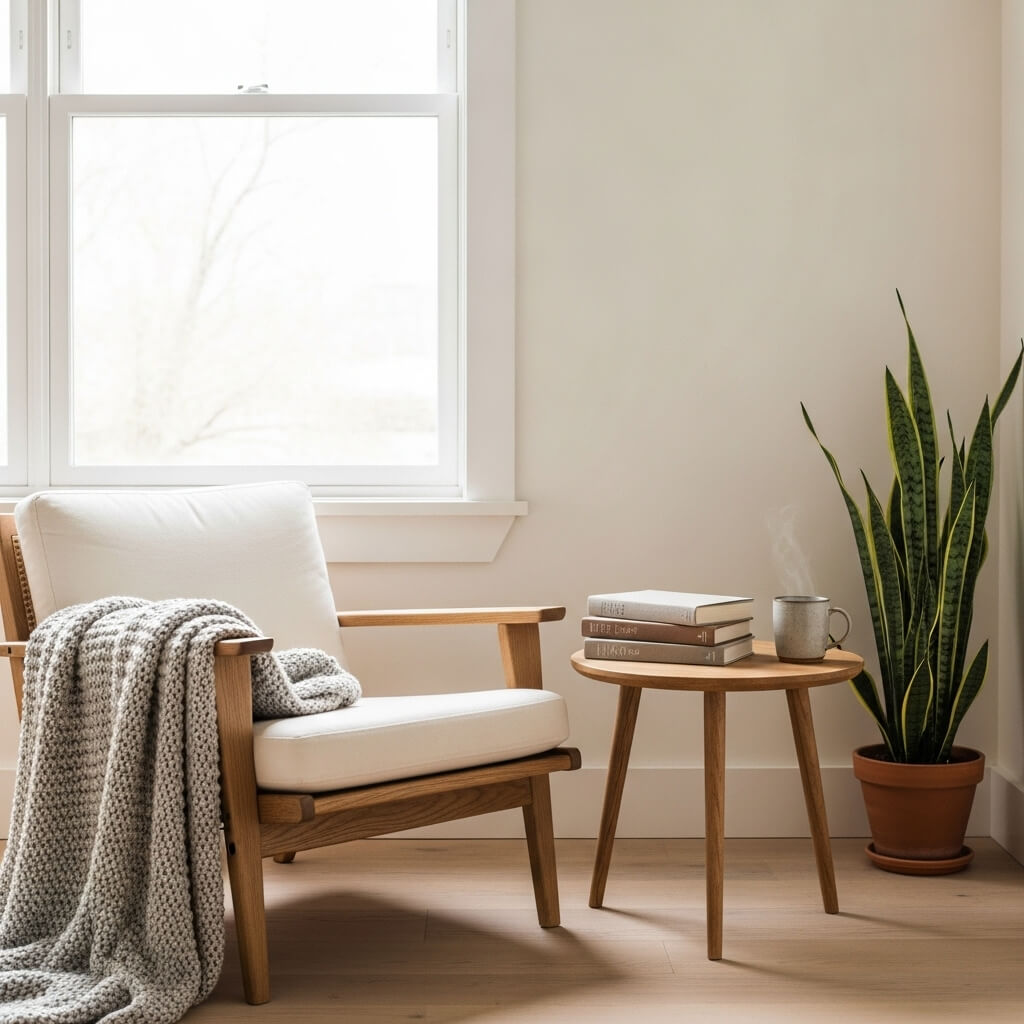
One of my favorite dreams: a quiet nook, soft light, simple décor, a little stack of books, and maybe a plant or two. That’s a Japandi reading corner done right.
How to Build a Reading Nook
- Use a low armchair or floor cushion with a small side table or basket for books.
- Place near a window or soft light lamp for reading-friendly brightness.
- Keep décor minimal: a soft throw, a cushion, maybe a small plant — no unnecessary clutter.
Why It Feels So Serene
Because the focus is on comfort and quiet, not “stuff.” It invites you to slow down, read, sip tea — breathe.
15. Open Spaces & Airy Layouts
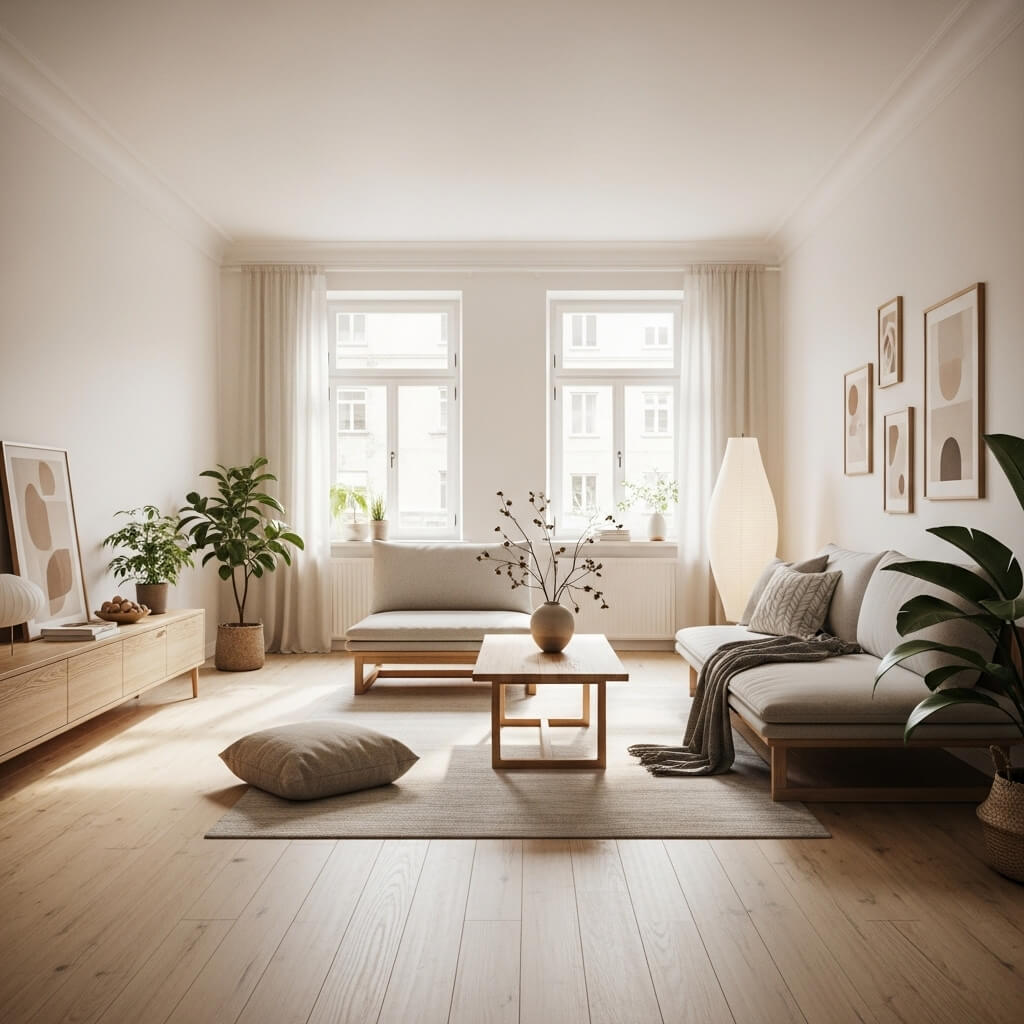
Japandi loves breathing space. That means thoughtfully arranged furniture, minimal obstacles, and clear walking flow.
How to Keep Spaces Airy
- Use fewer, more intentional pieces — rather than overcrowding with furniture.
- Arrange furniture to encourage flow — avoid blocking walkways, keep corners free.
- For small rooms: use multi-functional furniture (like a bench with storage) and go vertical only when it makes sense (no cluttered shelving).
16. Mindful Use of Wall Art — One or Two Pieces
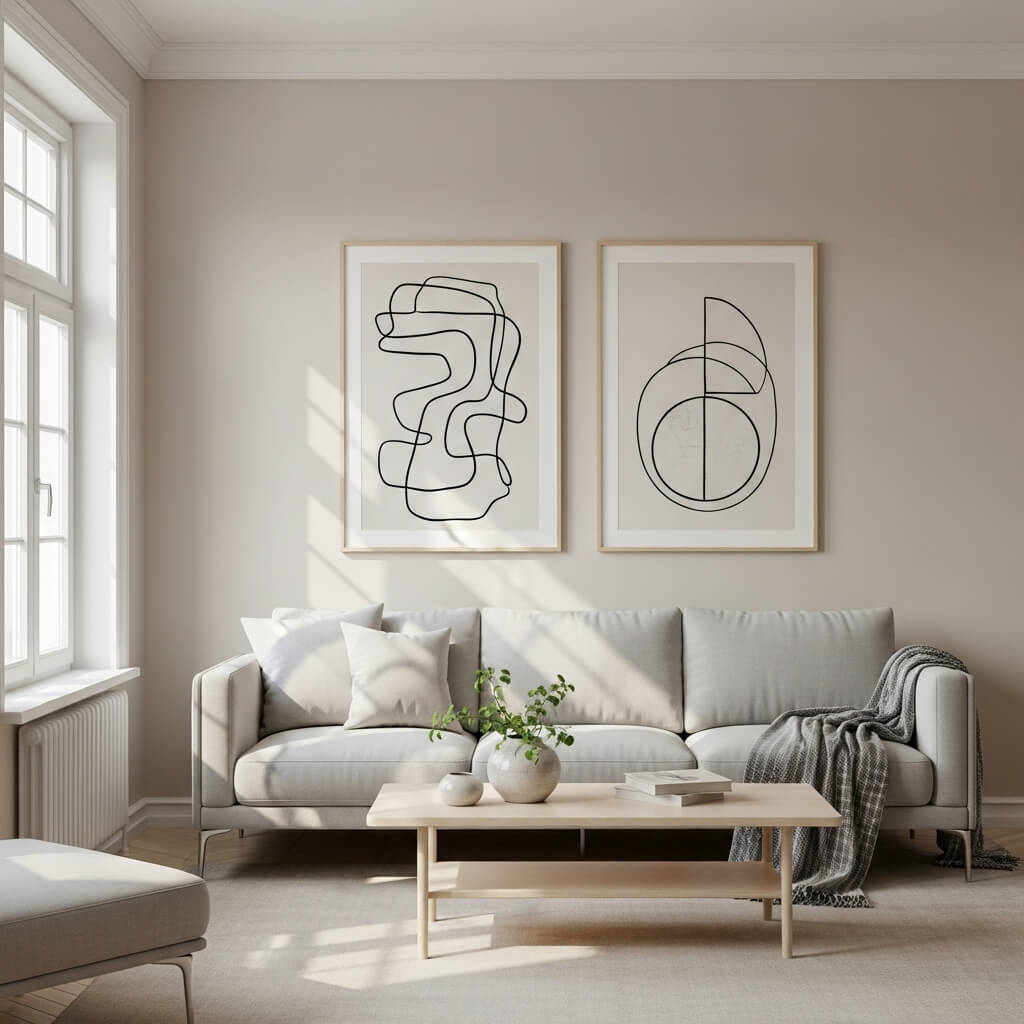
Blank walls don’t have to feel empty or unfinished. In a Japandi space, they’re like canvas: calm, quiet, balanced.
How to Style Wall Art
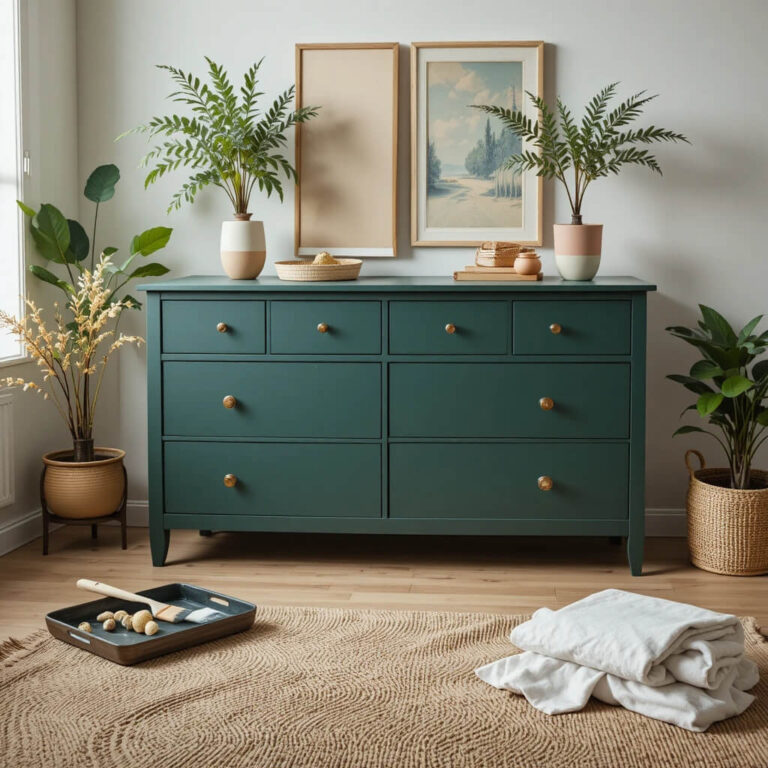
- Choose simple art — abstract line drawings, monochrome prints, or minimalist photography.
- Frame in light wood or simple black frames for consistency with the rest of the décor.
- Stick to one or two pieces per wall — less is more. Space them out, give them room to breathe.
17. Natural, Minimal Bathroom Retreat
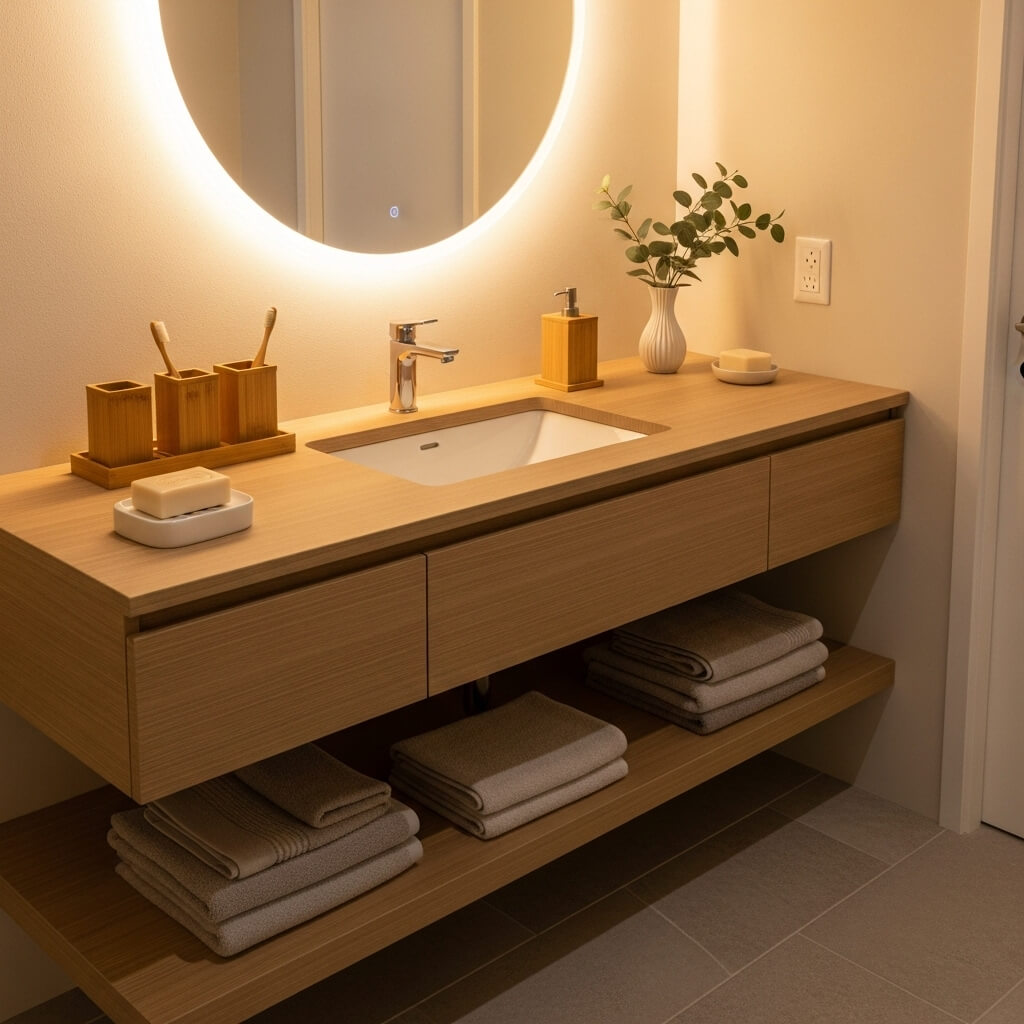
Japandi isn’t just for living rooms — bathrooms can become serene retreats too. Think spa-like simplicity.
Bathroom Styling Tips
- Use wooden or bamboo bath accessories (soap dish, tray, bath mat) instead of plastic.
- Keep towels neutral — ecru, beige, muted grey.
- Add a small plant or sprig of eucalyptus in a ceramic vase for a spa-y touch.
- Keep toiletries stored out of sight — clutter-free surfaces = calming vibe.
18. Simple, Functional Kitchen Styling
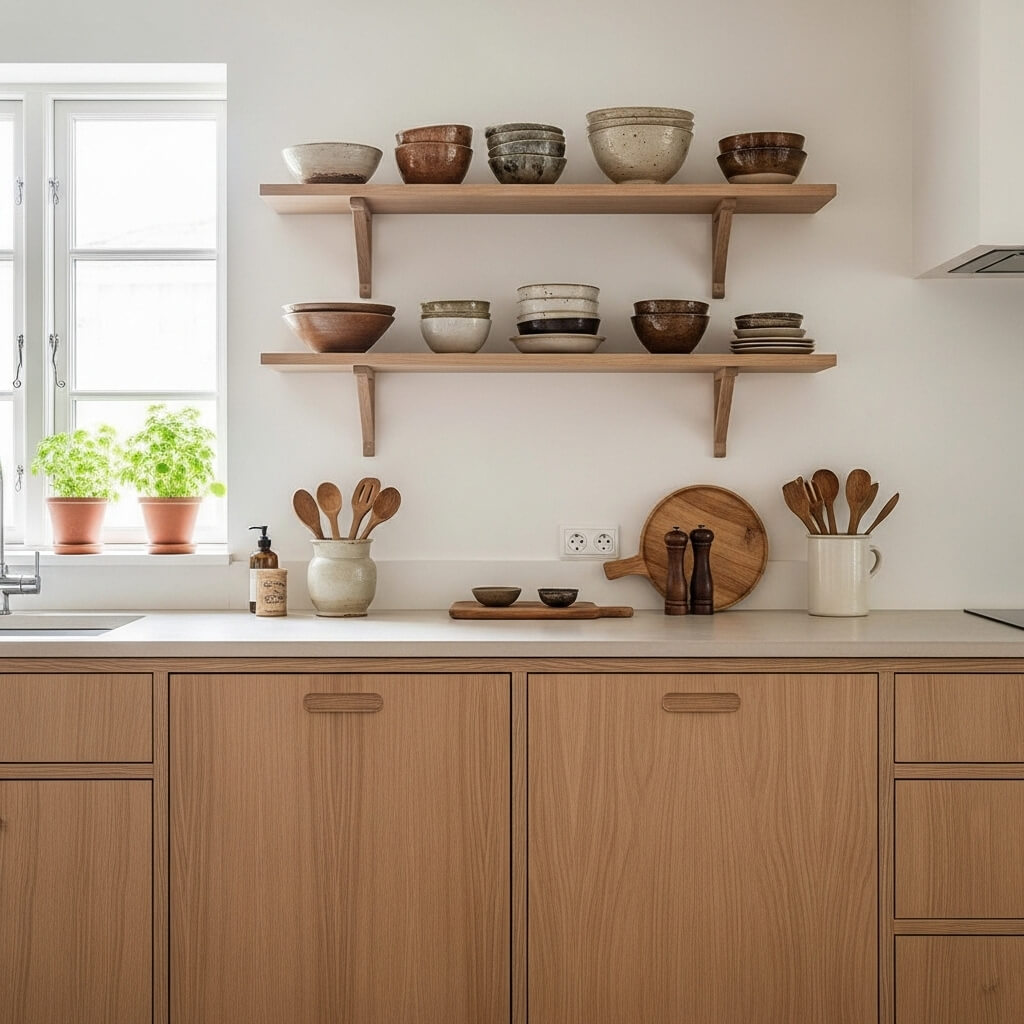
Even kitchens can get the Japandi treatment — and often they benefit the most from the calm, clean aesthetic.
Kitchen Styling Tweaks
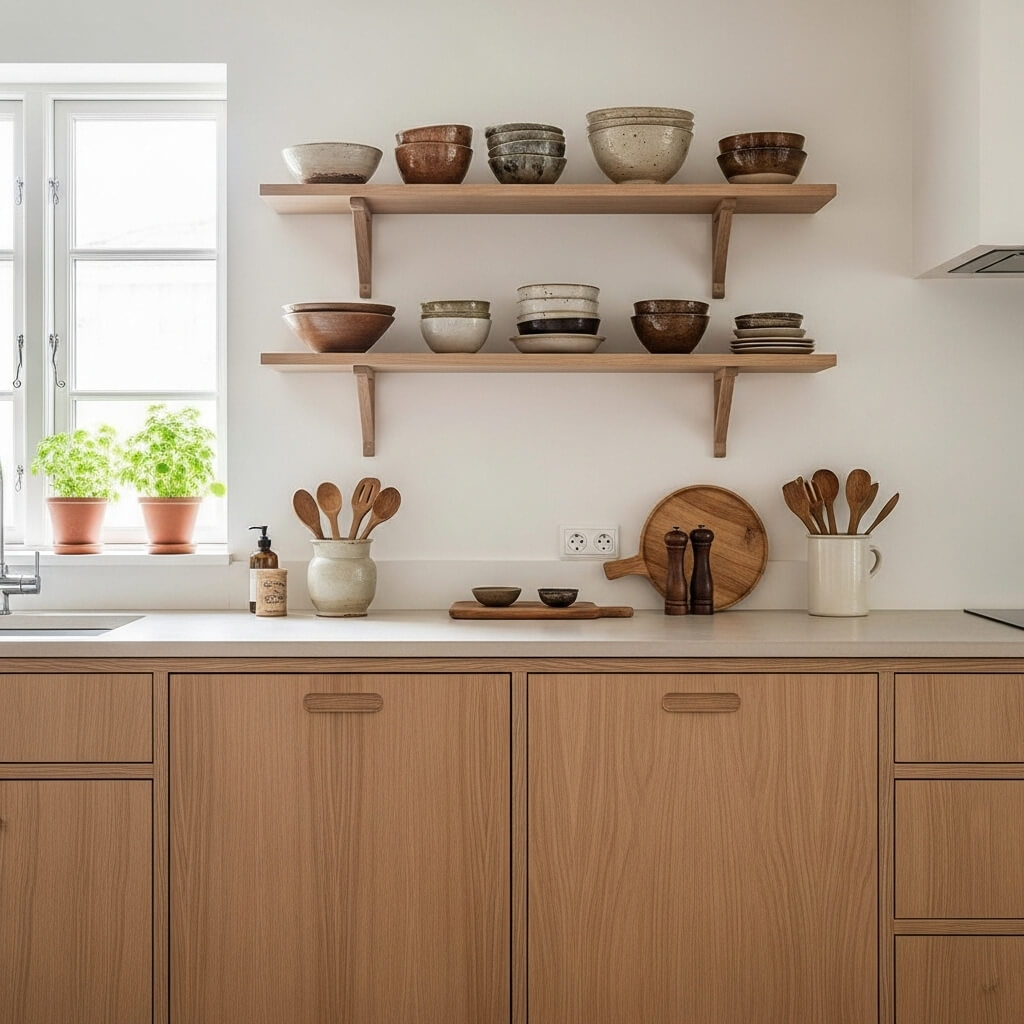
- Use open shelving sparingly, and style with only essential items — wooden bowls, ceramic mugs, simple dishware.
- Stick to neutral tones and natural materials — wood, ceramic, linen, glass.
- Hide clutter: store gadgets out of sight, use baskets or boxes for small items.
- A small potted herb or plant on the windowsill adds life without chaos.
19. Textured Minimal Rugs & Floor Mats
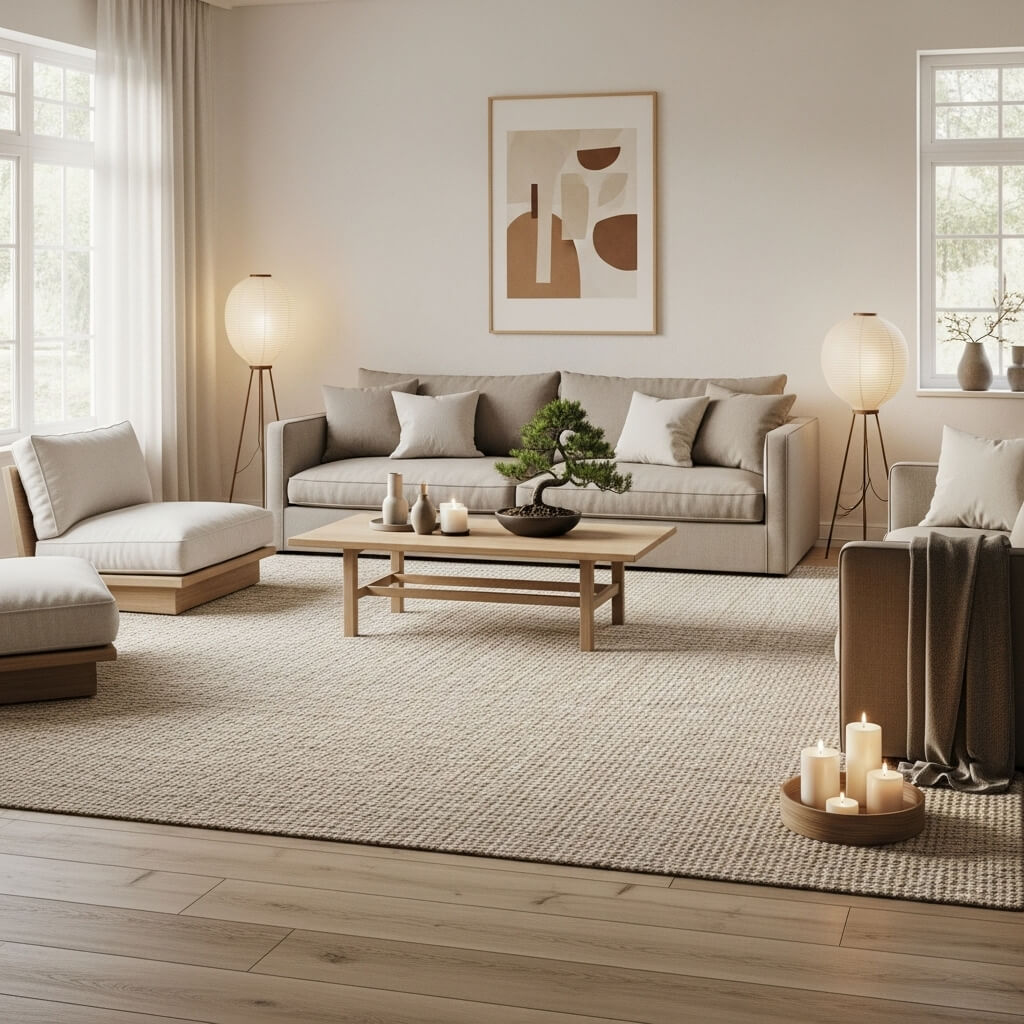
Even minimalist spaces benefit from a bit of softness. That dryness of wood or concrete can sometimes feel cold — a rug or floor mat warms things up.
What Works
- Flat-weave rugs, jute rugs, or wool rugs in neutral tones or soft earthy hues.
- Choose rugs without bold patterns — subtle texture instead of loud prints.
- Place rugs under seating areas or floor cushions to define space and add coziness.
20. Personalizing with Meaningful, Minimal Objects
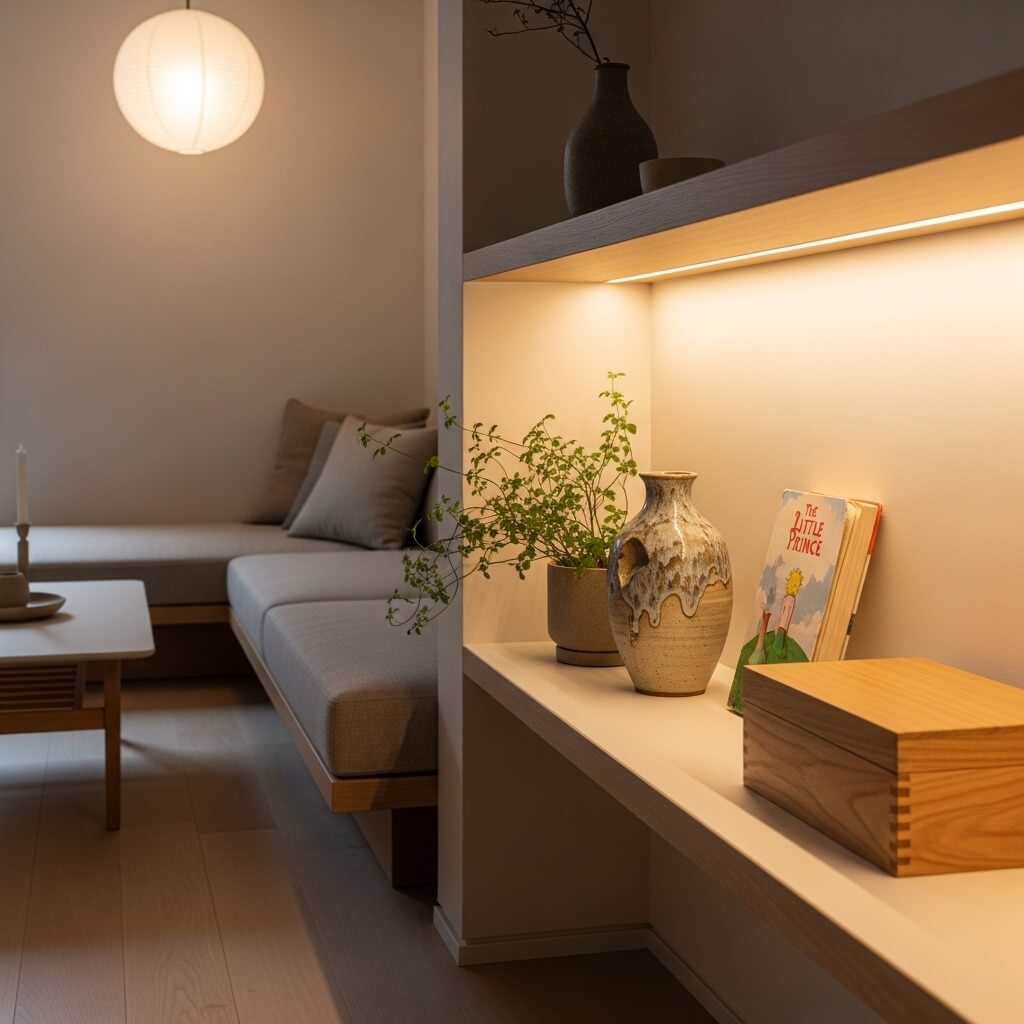
Here’s the secret ingredient: personal touches, but purposeful ones. Japandi spaces aren’t about sterile perfection — they’re about peaceful personality.
How to Personalize Mindfully
- Display one or two objects you love: a handmade pottery piece, a wooden box from your travels, a favorite book.
- Avoid “filler” décor — each piece should have a story or a function.
- Rotate items seasonally if you like — but keep overall numbers low, to preserve calm.
How to Begin Your Japandi Journey — Even If You’re Just Starting Out
Okay 20 ideas might feel overwhelming. But the beauty of Japandi is: you don’t need to do it all at once.
Here’s a simple roadmap:
- Start with the basics: declutter, clean surfaces, donate/unwanted items. Calm comes from space.
- Pick one room or one corner: maybe your living room, bedroom, or a reading nook.
- Apply 2–3 ideas from this list to that space: e.g. neutral palette + low‑profile furniture + natural materials.
- Live there for a while, observe how it feels. If you love the vibe — expand slowly, room by room.
- Swap, don’t add: replace bulky, heavy décor with lighter, more intentional versions.
Slow, steady, intentional. That’s the Japandi way.
Common Mistakes to Avoid
Even with the best intentions, it’s easy to slip up. Here are a few traps many people fall into — and how to avoid them.
| Mistake | Why It Hurts the Vibe | How to Avoid It |
|---|---|---|
| Filling every surface with décor | Clutters the space; ruins the calm minimalism | Use “one piece per surface” rule, or leave surfaces empty |
| Buying too many light-colored fabrics without texture | Space feels cold or flat | Add texture via rugs, cushions, throws |
| Using dark woods or heavy furniture exclusively | Creates visual heaviness, skews the balance | Opt for lighter woods; use dark pieces only as accent |
| Using too many colors or patterns | Breaks the harmony of the neutral palette | Stick to 2–3 colors max; avoid bold patterns |
| Overcrowding tiny rooms | Makes space feel cramped, not calm | Prioritize essentials; choose multi-functional furniture |
Bringing It All Together: Why Japandi Feels So Good
Japandi isn’t just a décor trend — it’s a mindset. It encourages you to:
- Slow down — choose fewer, better things.
- Be intentional — decorate with purpose.
- Appreciate imperfections — a hand‑woven rug, a wooden table with grain, a plant gently tilting toward the light.
- Create calm — a home that breathes, that invites you to rest, reflect, and recharge.
When you combine a neutral palette, natural materials, functional furniture, and meaningful décor you don’t just end up with a pretty room. You end up with a sanctuary.
Conclusion
There you have it — 20 calm and minimalist home ideas inspired by Japandi interiors.
Whether you’re rearranging your living room, redecorating your bedroom, or just dreaming about the home you want to create these ideas are your toolkit.
Use them one at a time, mix them up, experiment and above all, enjoy the process.
Your home should be a place you love coming back to. Soft textures, warm wood, quiet corners, a little greenery, and enough empty space to breathe.
And if you’d like more ideas say, Japandi bedroom makeovers, budget-friendly minimalist décor finds, or even seasonal Japandi touches I’ve got you covered.
Let’s keep creating cozy, calm, beautiful spaces together.
Until next time may your home feel like a warm hug.
FAQs- All Your Japandi Questions, Answered
1: Is Japandi good for small apartments or tiny flats?
Absolutely! In fact, Japandi is perfect for small spaces because it emphasizes minimal furniture, open layouts, and smart storage.
A light color palette, low-profile furniture, and airy layouts can make even a tiny room feel calm and more spacious.
2: How do I start a Japandi makeover on a tight budget?
Start by decluttering first — that’s cost-free and makes a huge difference.
Then, rearrange what you already have maybe lower the height of furniture, clear surfaces, and reorient seating to maximize flow and openness.
For new items, focus on key pieces (like a low coffee table, a light wood shelf, or neutral textiles) rather than buying everything at once.
3: Can Japandi décor work with bold colors or patterns?
It’s possible — but you have to be intentional. If you want bold colors or patterns, treat them as accents only.
For example, a deep green cushion or a patterned throw can add personality — but the majority of the room should stay neutral, soft, and cohesive to preserve the calming, minimalist vibe.
4: What’s the difference between Scandinavian, Japanese, and Japandi styles?
- Scandinavian décor leans cozy, functional, and minimalist with a soft, light palette.
- Japanese home styling emphasizes Zen-like simplicity, natural materials, and understated elegance.
- Japandi is where they meet — combining the warmth and coziness of Scandinavian design with the refined simplicity and nature-inspired calm of Japanese style.
5: How do I keep a Japandi-style home from feeling cold or “empty”?
That’s where texture, warmth, and personal touches come in.
Natural wood, soft rugs, linen curtains, a cozy throw, a plant, a simple piece of art these add subtle warmth and personality without creating clutter.
The key is balance: keep the base minimal, then add a few tactile, meaningful elements.
If you loved these tips stay tuned! I’d love to help you plan a full Japandi-inspired makeover for your living room, bedroom, or even home office.
Just say the word, and we’ll dream up some serene spaces together.