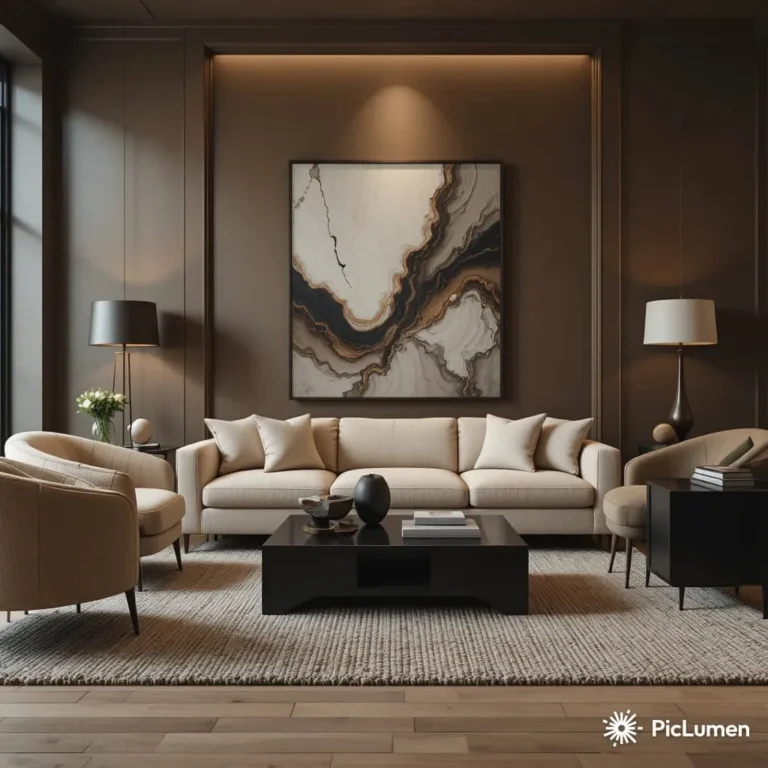
20 TV Wall Ideas That Upgrade Your Living Room Instantly
TV wall ideas can completely transform a living room, especially when your television currently feels like an awkward black rectangle taking over an otherwise beautiful space. The right design can turn that screen into an intentional part of the room instead of making it the only thing you notice.
From warm wood paneling and sleek built-in cabinetry to dramatic stone, floating consoles, and cozy fireplace combinations, there are countless ways to create a TV wall that feels stylish and functional. The best designs also solve practical problems by hiding cables, adding storage, improving viewing comfort, and creating a strong focal point.
Whether your style is modern, minimalist, cozy, luxurious, rustic, or somewhere in between, these 20 TV wall ideas will help you create a living room that looks polished, comfortable, and genuinely inviting.
1. Create a Warm Wood-Paneled TV Wall

Wood paneling is one of the easiest ways to make a television wall feel warmer and more sophisticated. Instead of mounting the TV against a plain white wall, surround it with natural wood tones that introduce texture, depth, and architectural interest.
Vertical wood slats are particularly popular because they add dimension without making the room feel overly busy. They can also create the illusion of greater ceiling height, which is especially helpful in rooms with low ceilings.
For a modern look, pair medium or light oak with a simple floating TV console. If you prefer something moodier, walnut or dark-stained wood creates a rich and luxurious backdrop.
You don’t necessarily need to cover the entire wall. A wood-paneled section behind the TV can define the entertainment area while leaving the surrounding walls light and airy.
Design tip: Choose a wood tone that connects with other elements in your living room, such as flooring, coffee tables, shelving, or accent chairs. This creates a cohesive look rather than making the TV wall feel like a completely separate installation.
2. Frame the TV With Built-In Cabinets

If your living room needs more storage, built-in cabinetry is one of the most practical TV wall ideas to consider.
A custom or semi-custom built-in can surround the television with closed cabinets, open shelving, or a combination of both. This approach gives the entire wall a finished, furniture-like appearance while providing valuable space for books, electronics, games, baskets, and decorative accessories.
Closed storage is ideal for hiding clutter and keeping everyday items out of sight. Open shelving, meanwhile, gives you a place to display artwork, plants, ceramics, books, and favorite objects.
For a clean contemporary appearance, consider handleless cabinetry in warm white, beige, greige, or natural wood. If you want more contrast, deep green, navy, charcoal, or even black cabinetry can create a dramatic statement.
The key is balance. Don’t fill every shelf. A little breathing room allows your favorite pieces to stand out and prevents the wall from looking visually overwhelming.
3. Add a Floating TV Console

A floating TV console instantly gives a living room a cleaner, more contemporary appearance. Because the cabinet is mounted off the floor, the space underneath remains visible, making the room feel more open and spacious.
This is particularly useful in small living rooms where bulky furniture can make the layout feel cramped.
Choose a long, streamlined console that extends beyond the width of your television. This creates visual balance and gives the TV wall a more substantial appearance.
You can use the console to store remote controls, gaming equipment, streaming devices, and other electronics. Many modern designs also include cable-management features, helping you maintain the sleek look.
For an elevated appearance, combine a floating wood console with a textured wall behind the TV. The result is simple, warm, and designer-inspired without requiring an elaborate renovation.
4. Turn the TV Wall Into a Modern Fireplace Media Wall

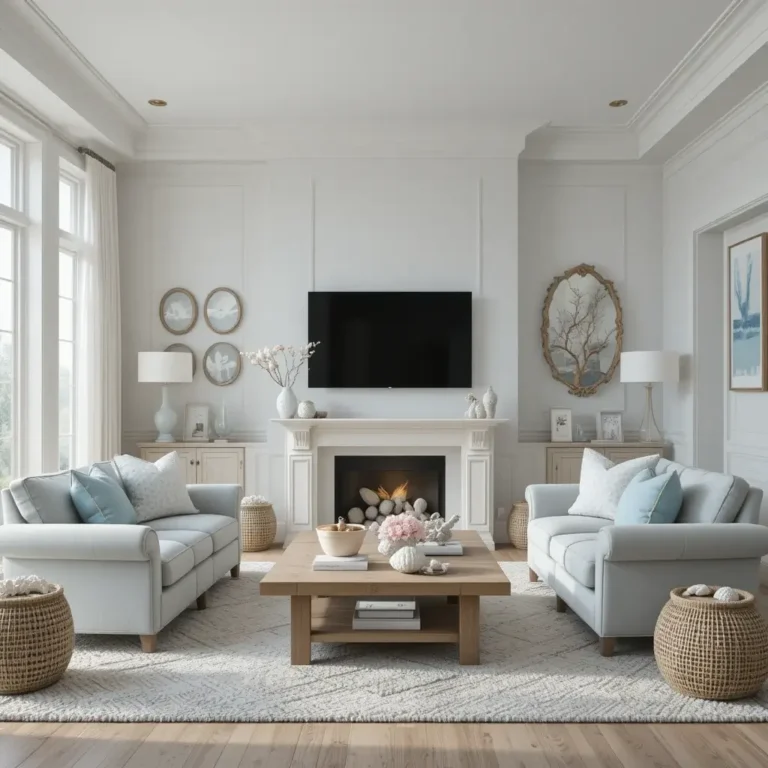
Combining a TV with a fireplace can create a dramatic focal point that instantly anchors the living room.
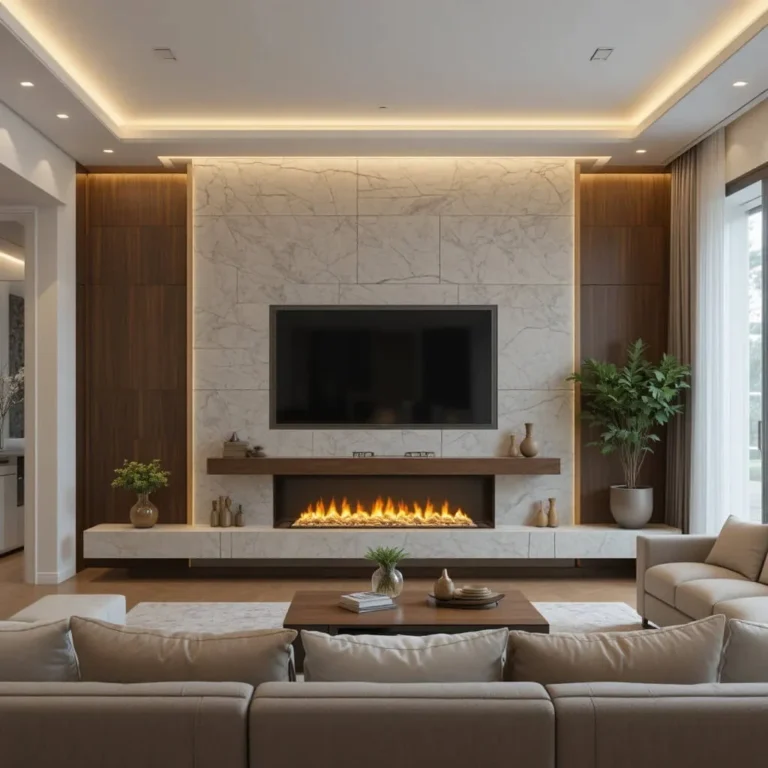
A contemporary media wall might feature a wall-mounted television above a sleek electric fireplace, surrounded by plaster, stone, wood, or textured panels.
Electric fireplaces are especially popular for modern interiors because they provide ambiance without requiring a traditional chimney. However, the TV and fireplace should always be installed according to manufacturer guidelines and professional safety requirements to prevent heat damage.
For a luxurious look, consider a full-height media wall with an inset fireplace, concealed storage, and subtle integrated lighting. Keep the surrounding decor restrained so the architecture remains the star.
If you love cozy interiors, this is one of the TV wall ideas that can make the living room feel like the natural gathering point of the entire home.
5. Use Large-Format Stone for a Luxury Look

Few materials create instant drama quite like stone.
A large-format stone or stone-look porcelain slab behind the television can make an ordinary living room feel remarkably luxurious. Marble-inspired surfaces with subtle veining are particularly effective in contemporary interiors.
For a softer appearance, choose beige, cream, taupe, or warm gray stone. If you want maximum contrast, dark stone with dramatic veining can create a sophisticated statement.
Large-format materials have another advantage: fewer grout lines. This creates a seamless visual effect that makes the wall appear more expansive and refined.
If natural stone falls outside your budget, porcelain slabs and high-quality engineered surfaces can offer a similar aesthetic. You can also use stone-look panels strategically rather than covering the entire wall.
Pair the stone backdrop with a simple floating console and minimal accessories. Let the material provide most of the visual interest.
6. Install a Vertical Slat Feature Wall

Vertical slat walls have become a favorite for homeowners who want architectural character without overwhelming the room.
The repeated lines create rhythm and texture, while the vertical direction draws the eye upward. This can make the ceiling appear taller and give the living room a more refined appearance.
You can install slats across the entire TV wall or use them as a central panel behind the television.
For a Scandinavian-inspired space, light oak works beautifully with cream upholstery and neutral textiles. For a more sophisticated interior, walnut or dark wood pairs nicely with charcoal, black, or deep green accents.
If you are concerned about the wall feeling too busy, use slats on only one portion of the wall and keep the remaining surfaces simple.
Another advantage is that slatted designs can help soften the hard, technological appearance of the television. The warmth and texture of the wood make the screen feel more integrated into the overall room.
7. Paint the TV Wall a Dark, Moody Color

Sometimes the simplest TV wall ideas are the most effective.
Painting the TV wall in a deep, saturated shade can make the screen visually recede instead of standing out. Charcoal, deep olive, navy, chocolate brown, and warm black are all excellent options.
A dark backdrop can also create a cozy, cinematic feeling, particularly when paired with warm lighting and comfortable seating.
If you are worried that a dark wall will make your living room feel smaller, balance it with lighter furniture, reflective surfaces, natural textures, and plenty of natural light.
The beauty of paint is that it is relatively inexpensive and easy to change. You can experiment with color without committing to a major renovation.
For a particularly sophisticated look, paint the TV wall and console in similar dark tones. This creates a seamless visual effect that allows the television to blend into the background.
8. Design a Minimalist White TV Wall

For lovers of clean interiors, a minimalist TV wall can be both beautiful and practical.
Mount the television directly onto a crisp white wall and pair it with a slim floating console. Keep decorative accessories to a minimum and focus on clean lines and simple shapes.
The secret to making a minimalist design feel warm rather than sterile is layering subtle textures. Add a natural wood console, woven basket, soft rug, textured curtains, or a few carefully selected decorative pieces.
Cable management is especially important here. Visible wires can quickly undermine the clean aesthetic, so consider routing cables through the wall or using an appropriate cable-management system.
This approach works particularly well in small apartments and contemporary homes where visual simplicity is a priority.
You can also add a single oversized piece of artwork nearby or place a tall indoor plant beside the console to introduce softness without compromising the minimalist aesthetic.
9. Add Open Shelving Around the Television


Open shelving can make your TV wall feel more personal by giving you space to display books, artwork, plants, and treasured objects.
You can install shelves on either side of the television, above it, or create a full built-in arrangement around the screen.
The most important thing is to avoid overcrowding. A shelf filled with random objects can quickly look chaotic.
Instead, group accessories in varying heights and textures. Combine books with ceramic vessels, framed artwork, small plants, and sculptural pieces.
For a polished appearance, repeat a few colors from elsewhere in the room. This helps your display feel intentional and connected to the overall design.
If you have a lot of everyday items to store, consider combining open shelves with closed cabinets. This gives you the best of both worlds: attractive display space and practical hidden storage.
10. Use Fluted or Ribbed Wall Panels

Fluted and ribbed wall panels add sophisticated texture while keeping the overall design relatively understated.
The vertical grooves catch light and shadows, giving the TV wall a sense of depth that a flat painted surface simply cannot provide.
Depending on your style, you can choose wood, MDF, acoustic panels, or decorative composite materials.
Pair fluted panels with a floating console for a contemporary look, or combine them with brass lighting and rich fabrics for a more luxurious feel.
This is also an excellent option when you want a feature wall that feels visually interesting without relying on bold colors.
Fluted panels can also be used selectively. For example, you might cover only the central portion behind the television while painting the surrounding wall in a complementary neutral shade.
11. Create a Full-Height Media Wall

If you want your television wall to make a major architectural statement, consider taking the design from floor to ceiling.
A full-height media wall can incorporate the television, fireplace, cabinetry, shelving, lighting, and decorative niches into one cohesive composition.
This approach works especially well in rooms with high ceilings because it uses vertical space effectively.
However, proportion matters. A floor-to-ceiling wall should still feel balanced with the size of the room and television.
Use a combination of materials to prevent the wall from looking monotonous. For example, you might combine warm wood, painted cabinetry, and subtle stone.
Full-height designs are particularly effective when you want to visually anchor a large open-plan living room. They can give an otherwise empty wall a strong sense of purpose.
12. Hide the TV Behind Cabinet Doors

Not everyone wants the television to be the focal point of their living room. If you prefer interiors that feel more like a sophisticated lounge, hiding the TV behind cabinet doors is an excellent solution.
When the television is not in use, the doors can close to reveal a beautiful furniture piece rather than a large black screen.
You can choose cabinetry that matches the rest of your interior, from traditional wood to sleek contemporary finishes.
This approach is particularly useful in formal living rooms or open-plan spaces where you want entertainment technology to remain visually discreet.
For the best results, select doors that open easily and allow sufficient ventilation for electronic equipment. Depending on the design, you may also need to consider remote-control access when the television is concealed.
13. Add LED Lighting Behind the TV

Lighting can completely change the atmosphere of a TV wall.
Soft LED backlighting behind the television or around a media panel creates a subtle glow that adds depth and makes the wall feel more sophisticated.
For everyday use, warm white lighting is generally a good choice for a relaxed atmosphere. You can also incorporate recessed spotlights into shelving or cabinetry.
Avoid excessive brightness around the screen, as it can create distracting glare. Instead, think of lighting as an atmospheric layer rather than the main event.
A dimmable system gives you more control, allowing you to adjust the lighting depending on whether you’re watching a movie, entertaining guests, or simply relaxing.
You can also use LED strips inside display niches to highlight artwork and accessories. Just make sure the lighting is positioned carefully so it doesn’t shine directly into the viewer’s eyes.
14. Try a Concrete-Look TV Feature Wall

For contemporary and industrial interiors, a concrete-look TV wall can provide a cool architectural backdrop.
You don’t necessarily need real concrete. Microcement, textured plaster, wallpaper, and concrete-effect panels can achieve a similar appearance.
Pair the cool gray surface with warm wood furniture to prevent the room from feeling too harsh. Soft upholstery, woven accessories, and indoor plants can also introduce balance.
This look works beautifully in modern apartments, loft-style homes, and minimalist spaces.
If you prefer a warmer interpretation, choose a greige or warm gray concrete effect instead of a cold industrial gray.
Adding warm lighting is another simple way to soften the look and make the television area feel more inviting.
15. Make the TV Wall Part of a Gallery Wall

If you don’t want the TV to dominate the room, integrate it into a gallery wall.
Surround the screen with framed artwork, photography, or decorative objects. The artwork helps distribute visual attention across the wall, making the television feel like one element within a larger composition.
This approach works best when you carefully consider scale and spacing.
Choose frames that complement each other without making every piece identical. You might combine black frames with natural wood, or mix photographs with abstract artwork.
Keep enough space around the television to prevent the arrangement from feeling cluttered.
You can also use a consistent color palette throughout the artwork. This creates cohesion while allowing each individual piece to maintain its own personality.
16. Use a Built-In Niche for the Television

A recessed TV niche can give your entertainment area a custom architectural appearance.
The television sits inside a dedicated opening, often surrounded by contrasting materials such as wood, stone, plaster, or painted panels.
A niche can also help visually frame the screen and create a sense of depth.
If you’re planning a new build or renovation, this can be incorporated into the wall design from the beginning. For existing homes, however, professional advice is important because cutting into walls can affect electrical wiring, plumbing, or structural elements.
Add subtle lighting around the niche for an especially polished effect.
A recessed design can be particularly attractive when paired with built-in storage or shelving, creating a complete media center instead of simply mounting a TV on an empty wall.
17. Decorate the TV Wall With Textured Plaster

Textured plaster is perfect if you love interiors that feel organic and sophisticated.
A softly textured wall adds visual interest without introducing a complicated pattern. Limewash-inspired finishes, Venetian plaster, and subtle mineral textures can all create beautiful backdrops.
Choose warm neutrals such as ivory, sand, taupe, or mushroom for a calming effect.
The irregularity of the texture can also soften the hard, technological appearance of the television, helping it feel more naturally integrated into the room.
Pair the wall with curved furniture, natural materials, and warm lighting for a relaxed contemporary aesthetic.
This approach is especially effective in homes that favor an organic modern style. The subtle imperfections of the finish add character while maintaining a sophisticated appearance.
18. Create a Two-Tone TV Wall

Two-tone walls offer an easy way to add personality without overwhelming your living room.
You might combine a painted wall with wood paneling, or use two complementary paint colors to define the entertainment zone.
For example, warm beige and natural oak create a soft, contemporary combination. Charcoal and walnut feel richer and moodier, while white and pale wood offer a Scandinavian-inspired appearance.
You can also use a darker color behind the TV and a lighter tone around it. This creates contrast while visually anchoring the screen.
Another option is to divide the wall horizontally. Use cabinetry or paneling across the lower section and paint above it. This can create the appearance of a custom built-in without requiring a full floor-to-ceiling installation.
19. Add Decorative Niches and Integrated Lighting

A TV wall doesn’t have to be only about the television.
Decorative niches can create opportunities to display artwork, ceramics, books, sculptures, and plants. When integrated into a media wall, these niches can make the entire composition feel more like a piece of custom architecture.
Integrated lighting takes the effect even further. Small recessed lights or LED strips can highlight your favorite objects and create a warm evening atmosphere.
Just remember that decorative lighting should complement the television rather than compete with it. Keep the brightness adjustable so you can create a comfortable viewing environment.
If your media wall contains several niches, resist the urge to fill every one. Empty space is valuable and can help your favorite pieces stand out.
20. Combine Several Materials for a Designer TV Wall

If you want your living room to have a truly custom appearance, combine multiple materials within one TV wall.
For example, imagine a warm walnut panel behind the television, a slim stone fireplace underneath, and soft beige cabinetry on either side. Add discreet LED lighting and a floating console, and suddenly the television becomes part of a complete architectural composition.
The trick is to limit your palette. Choose two or three main materials and repeat them elsewhere in the room.
Too many competing finishes can make the wall look chaotic. But when carefully coordinated, mixed materials can create the sophisticated, layered appearance you often see in high-end interior design.
This is one of the most versatile TV wall ideas because it allows you to combine beauty, storage, technology, and architectural character in one cohesive design.
How to Choose the Right TV Wall Design for Your Living Room
With so many TV wall ideas available, choosing the right one can feel surprisingly difficult. The best design isn’t necessarily the most dramatic. It is the one that works with your room, lifestyle, budget, and existing decor.
Start by considering the size of your living room. In a small space, a floating console, minimalist wall, or slim vertical slat panel may work better than a bulky built-in.
For larger rooms, you have more freedom to create a full media wall with storage, shelving, a fireplace, or multiple materials.
Next, think about your home’s overall style. A modern home may suit smooth cabinetry and large-format stone, while a cozy transitional interior might benefit from warm wood and traditional built-ins.
You should also consider how often you actually watch television. If the TV is used every evening, prioritize comfortable viewing height, glare control, and easy access to electronics. If you rarely use it, you may prefer to hide it or integrate it into a gallery wall.
Finally, don’t overlook storage. A beautiful TV wall that leaves you with nowhere to put your electronics and accessories may quickly become frustrating.
The most successful designs combine visual appeal with everyday practicality.
How High Should You Mount Your TV?
One of the most common mistakes homeowners make is mounting the TV too high.
Ideally, the center of the screen should be positioned at a comfortable viewing height when you’re seated. The exact height depends on your sofa, television size, and viewing distance.
If you’re combining a TV with a fireplace, the situation becomes more complicated. Mounting the screen directly above a fireplace can result in an uncomfortable viewing angle if the television is positioned too high.
Consider the entire composition before installation rather than designing the wall first and trying to squeeze the television into the remaining space.
A professional installer can help determine the appropriate placement for your specific room.
Before drilling into the wall, sit on your sofa and visualize the screen at different heights. This simple step can prevent an expensive installation mistake.
How to Hide TV Cables and Electronics
Even the most beautiful TV wall can look unfinished if cables are hanging visibly beneath the screen.
During the planning stage, decide where your power outlets and electronic components will go. Wall-mounted televisions often benefit from concealed cable channels or in-wall cable routing where permitted and professionally installed.
If you are using a floating console, choose one with built-in cable-management openings.
For a renter-friendly solution, decorative cable covers can be painted to match the wall. They won’t be completely invisible, but they can make a significant difference.
Also consider ventilation. Gaming consoles, streaming devices, and other electronics can generate heat, so avoid placing them in tightly enclosed cabinets without appropriate ventilation.
Planning these details before installation will help you achieve a cleaner, more professional-looking result.
Should Your TV Wall Be the Focal Point?
Not necessarily.
A TV wall can be the focal point of a living room, but it doesn’t have to dominate the space. In many beautifully designed interiors, the television is intentionally integrated into the architecture so that other elements, such as artwork, windows, fireplaces, or furniture arrangements, can share visual importance.
If you want a subtle look, choose a neutral backdrop and simple console.
If you want a statement, use bold materials such as stone, dark wood, textured plaster, or dramatic lighting.
The right answer depends on how you want the room to feel.
A well-designed living room should have visual hierarchy. Even if the television is the largest object on the wall, you can use lighting, artwork, furniture, and architectural materials to create a more balanced composition.
How to Make a TV Wall Feel Cozy
Technology can sometimes make a living room feel cold, but the right materials can completely change that.
Use natural wood, warm textiles, woven accessories, soft lighting, and indoor plants to balance the hard surface of the screen.
A large rug can anchor the seating arrangement, while curtains and upholstered furniture introduce softness.
If you have open shelving, add books and personal objects rather than filling every space with decorative items purchased solely for styling.
The goal is to make the TV wall feel like part of a lived-in home rather than a showroom display.
You can also introduce warmth through color. Cream, caramel, tan, terracotta, muted green, and warm brown can make a media wall feel significantly more inviting than an arrangement dominated by cool grays and stark whites.
Common TV Wall Design Mistakes to Avoid
Even the best TV wall ideas can go wrong when planning is overlooked.
Mounting the TV too high: This is one of the biggest comfort issues. Prioritize your seated eye level and think carefully before placing a television above a fireplace.
Ignoring cable management: Plan electrical outlets and wiring before installation. A beautiful feature wall can quickly lose its appeal when cables are left exposed.
Overdecorating: Too many shelves, accessories, or competing materials can make the wall feel cluttered. Give decorative objects room to breathe.
Choosing materials without considering the room: A dramatic stone wall may look beautiful online but overwhelm a small, dark living room. Always consider your room’s scale, natural light, and existing finishes.
Forgetting storage: Think about where your electronics, remotes, games, books, and everyday items will go. A stylish TV wall should make life easier, not create new storage problems.
Using too many finishes: Stick to a controlled material palette for a cohesive appearance. Two or three complementary finishes are often enough.
Ignoring lighting: Glare can ruin the viewing experience, so consider both natural and artificial light when planning the television’s position.
Following trends too literally: A design may be popular today but still need to suit your home’s architecture and your personal taste. Choose timeless foundations and introduce trends through smaller, easily changed details.
Final Thoughts on TV Wall Ideas
The best TV wall ideas do much more than make a television look attractive. They improve the entire living room by creating a stronger focal point, introducing texture, adding storage, concealing technology, and helping the space feel more intentional.
Whether you choose a simple painted accent wall, warm wood slats, a dramatic stone backdrop, built-in cabinetry, or a luxurious fireplace media wall, the key is to design around the way you actually use your home.
Don’t be afraid to mix practicality with personality. Your TV wall should look beautiful in photos, but it should also work effortlessly during everyday life. After all, the perfect living room isn’t just one that looks impressive. It’s one where you genuinely enjoy spending time.
The right combination of materials, lighting, storage, and thoughtful styling can turn an ordinary television setup into one of the most attractive features in your home. Start with your room’s size and layout, choose a design that complements your existing decor, and focus on creating a space that feels both stylish and comfortable.

20 TV Wall Ideas That Upgrade Your Living Room Instantly
Refresh your entertainment area with these modern TV wall ideas featuring floating media units, wood slat accent walls, built-in shelving, fireplaces, hidden lighting, and luxurious finishes that instantly elevate your living room while keeping everything sleek and organized. #TVWallIdeas #LivingRoomDecor #ModernHome #InteriorDesign
Pin it on Pinterest