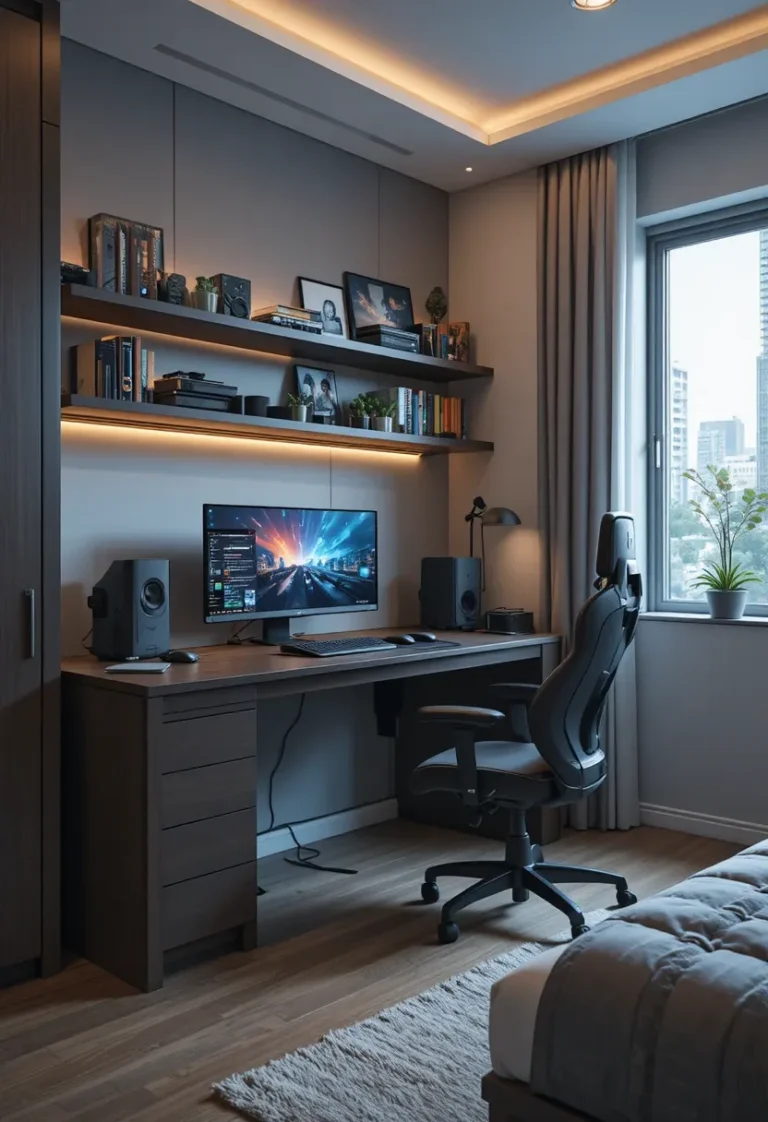
20 Kids’ Room Decor Ideas That Grow With Your Child
Let’s be real: decorating a kid’s room can feel like a temporary project with a hard expiration date. One day it’s all about cute teddies, and the next, they’re rolling their eyes at anything that isn’t black or covered in band posters.
But what if I told you it doesn’t have to be a total, wallet-draining do-over every few years? I’ve been there, and I’ve learned a few tricks. Here are 20 genius ways to create a space that evolves right alongside your awesome (and ever-changing) kid.
1. Start with a Neutral Base Palette
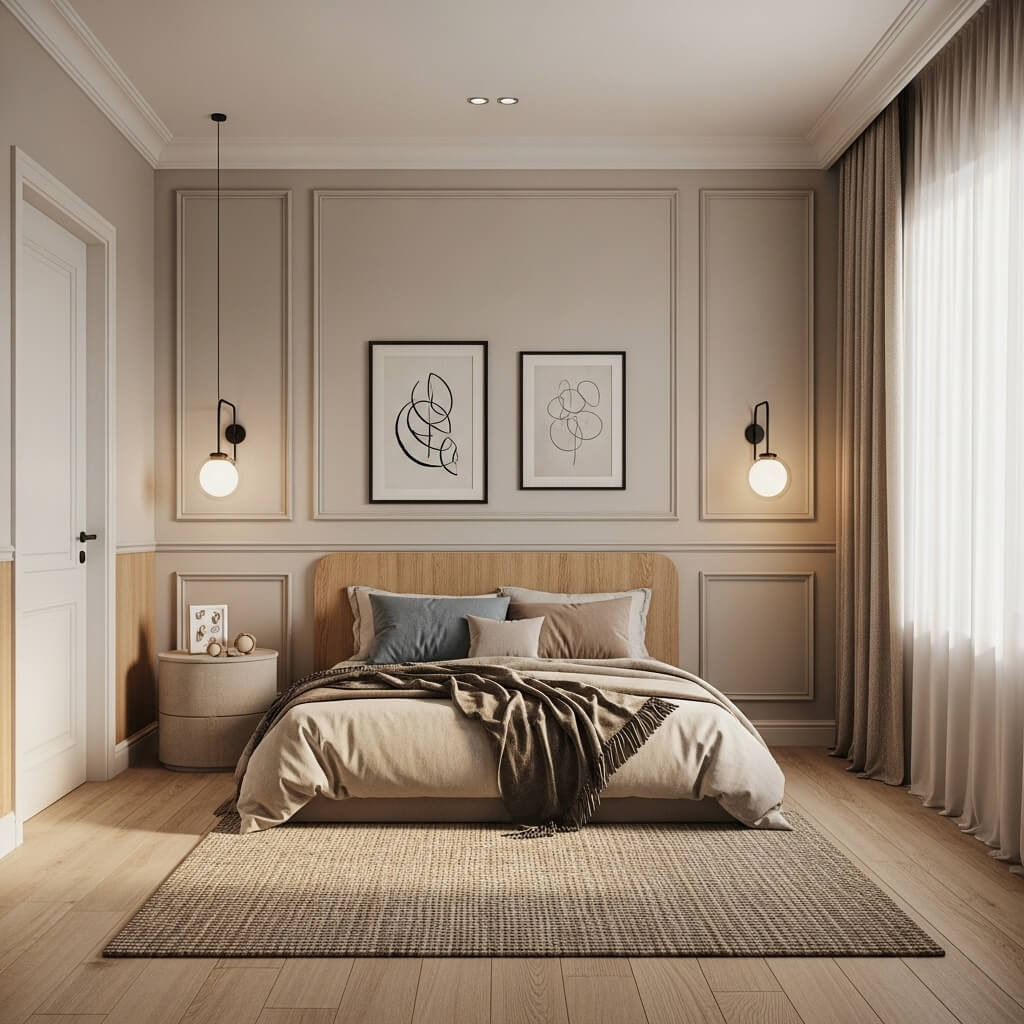
Paint those walls in a soft, neutral tone like greige, warm white, or a dusty sage. It acts like a calm canvas for everything else. You can then bring in all the color and personality through easier-to-swap items like bedding, art, and rugs. Trust me, repainting a bright red wall to a moody blue is a weekend you’ll never get back.
Personal Fave: This is my number one rule. We started with “greige” walls in my son’s nursery, and now, as a tween, his dark blue bedding and band posters look intentionally cool against it, not chaotic.
2. Invest in a “Big Kid” Bed Frame from the Start
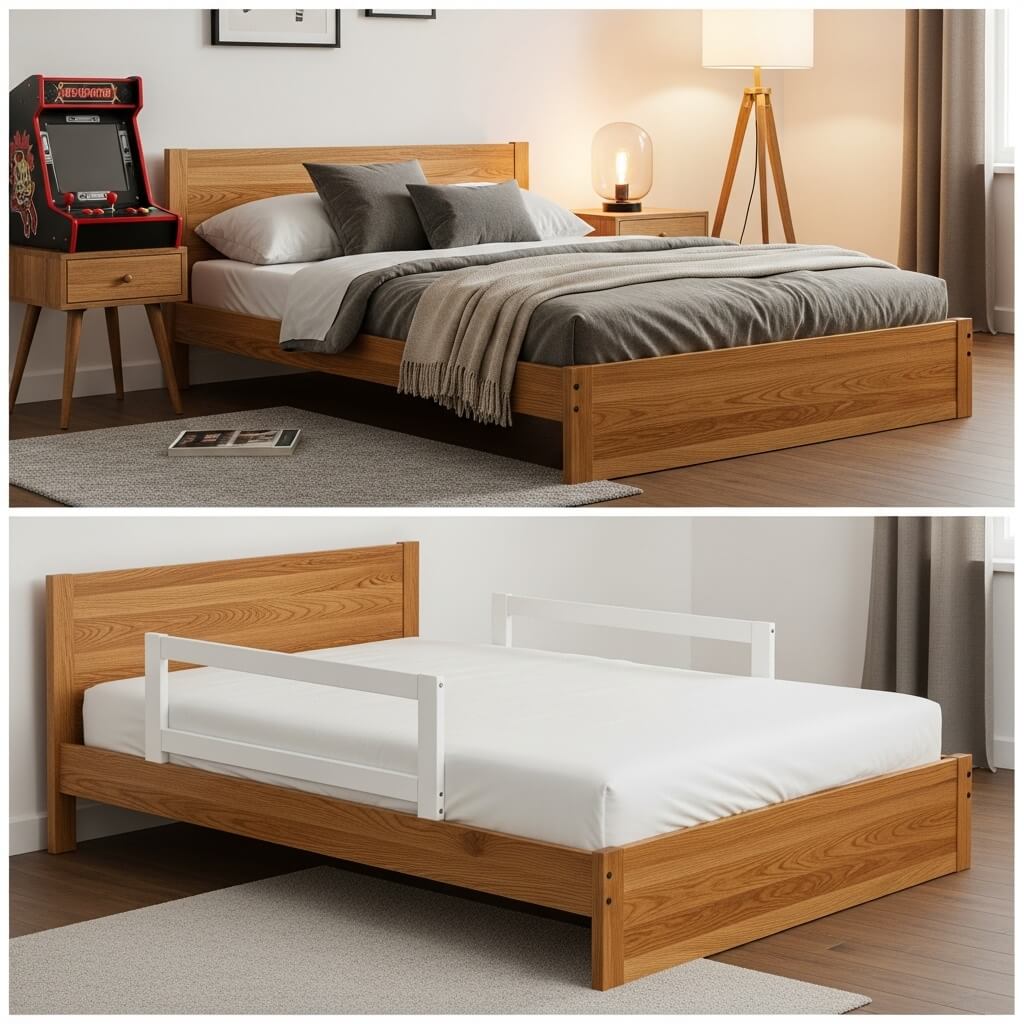
Skip the toddler bed phase altogether. Just get a timeless, low-profile twin or full-size bed frame. Use sturdy bed rails for the little years—they simply tuck under the mattress. You’re buying a piece of furniture that will last into their teens, no assembly required twice.
Pro Tip: Choose a frame made of solid wood. It can handle the bunk bed fort construction phase and still look great later.
3. Use Removable Wallpaper for an Accent Wall
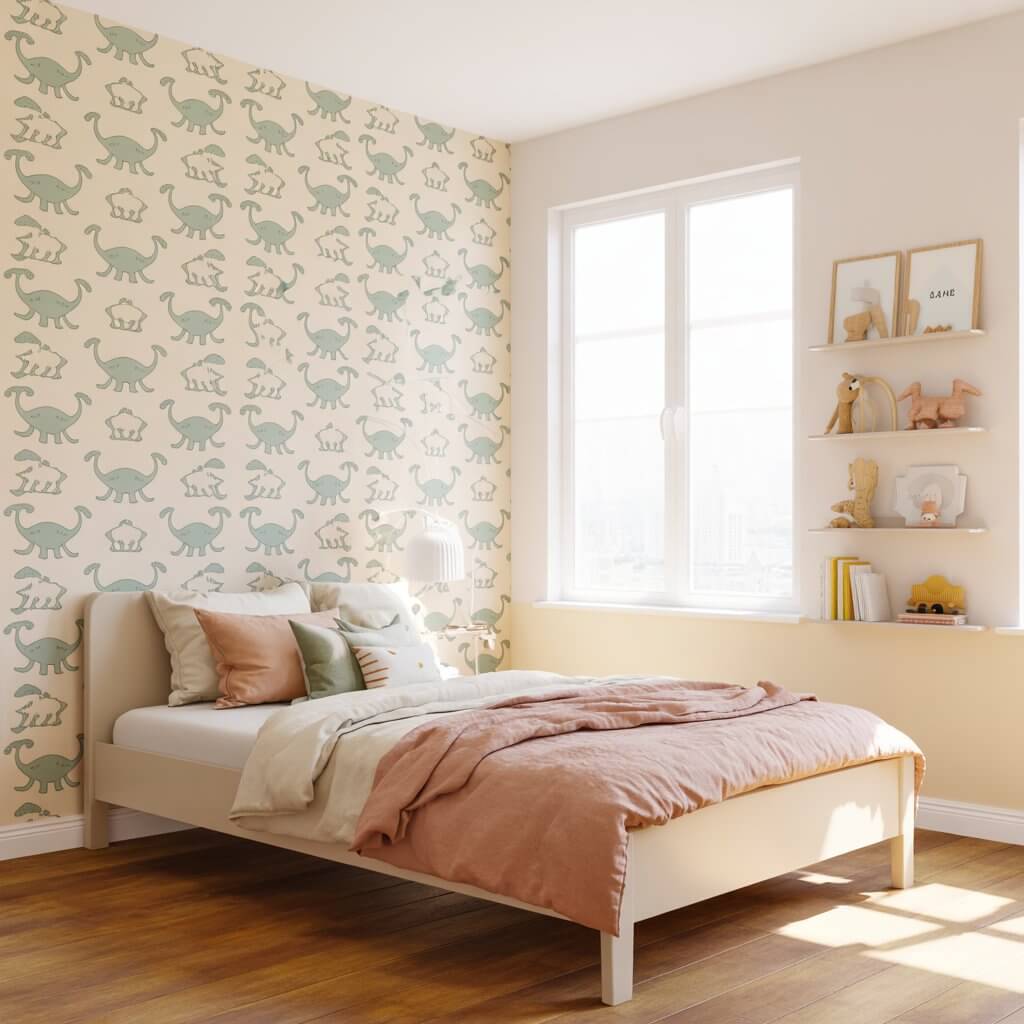
This stuff is a game-changer for adding theme-based fun without the commitment. Dinosaurs at age four? Easy. A cool geometric pattern at age twelve? Just peel and stick. It satisfies their current obsession without sending you into a painting spiral.
Story Time: I once botched a polka dot paint job so badly it looked like a dalmatian with the measles. Removable wallpaper has saved my sanity (and walls) ever since.
4. Opt for Modular or Adjustable Shelving
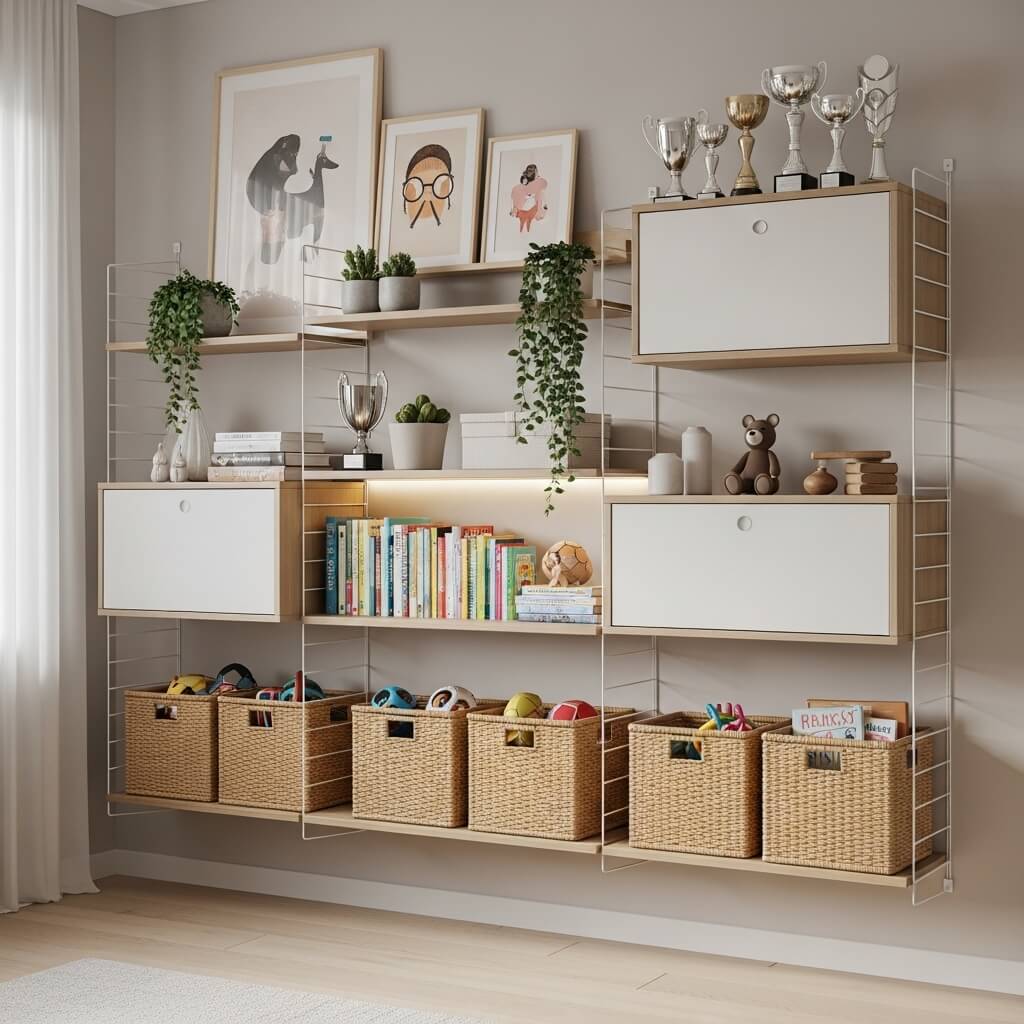
Shelving that can be reconfigured is worth its weight in gold. Start with cubbies for toy bins, then rearrange the shelves to display books, trophies, and later, tech gear and plants. Systems that let you add on or change the layout are the ultimate grow-with-me solution.
Pro Move: Look for shelving with bracket systems that allow you to easily move shelf heights. Your future self will thank you during each room re-org.
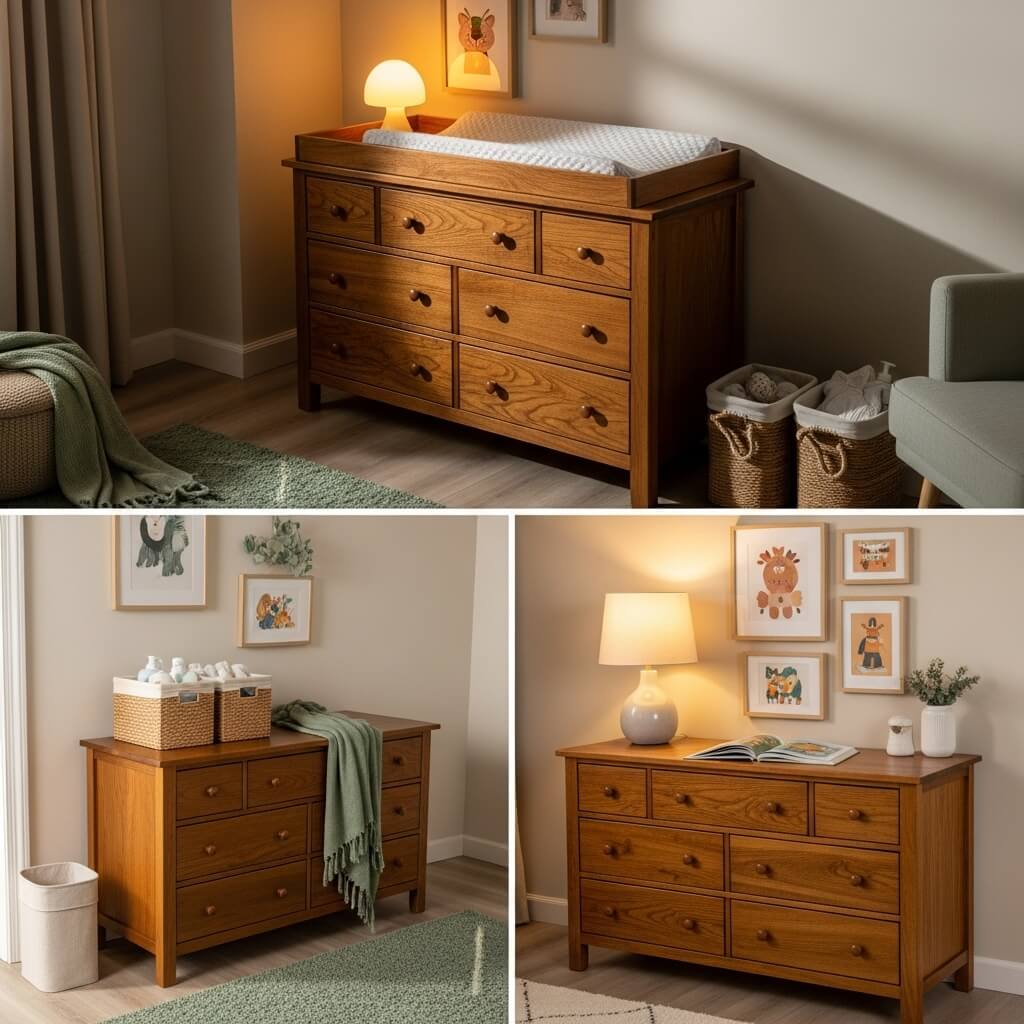
5. Choose a Dresser that Doubles as a Changing Table
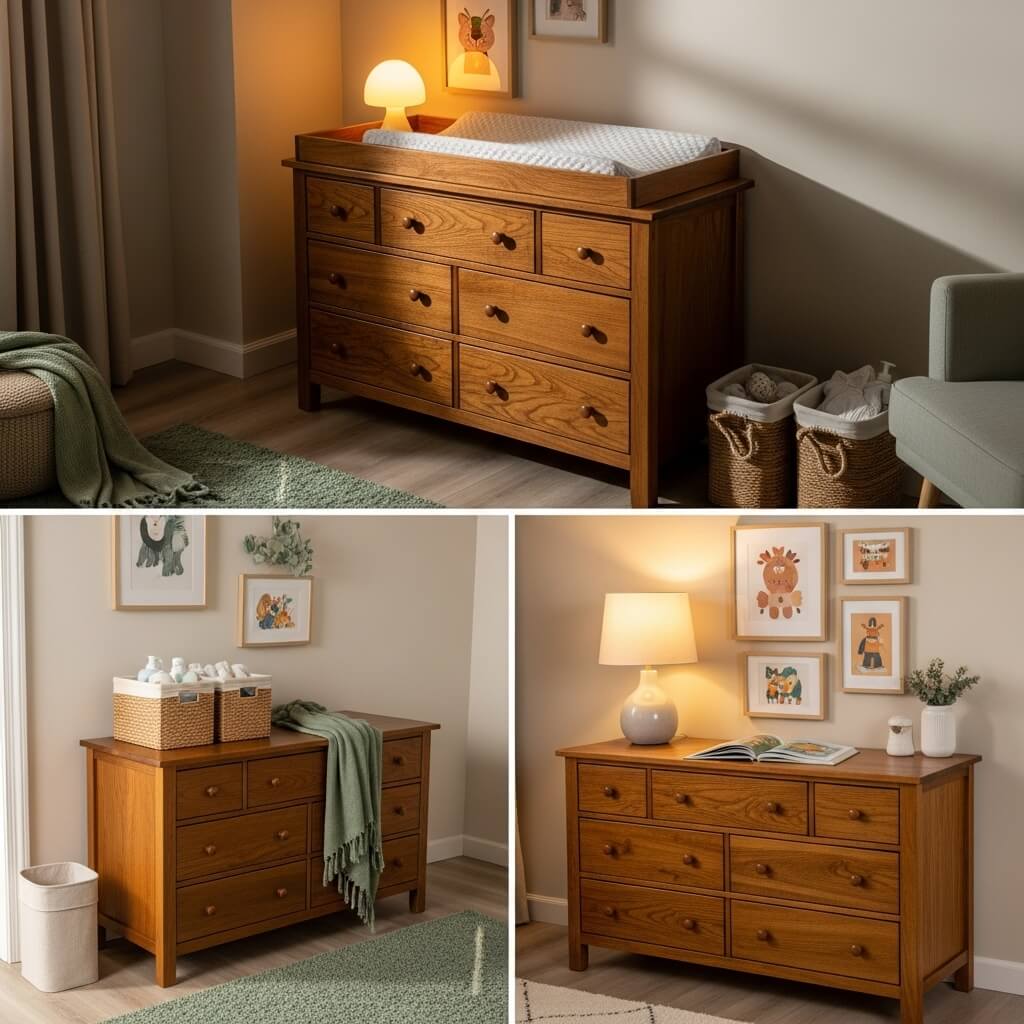
If you’re starting in the nursery phase, pick a sturdy, standard-height dresser. Just add a secure changing pad to the top. Voilà—changing table. Once diapers are gone, you just remove the pad and you have a perfect dresser for the next decade plus.
Downside: You have to bend over a bit more than with a dedicated changing table, but your back is stronger than your wallet, right?
6. Incorporate Timeless, Quality Rugs
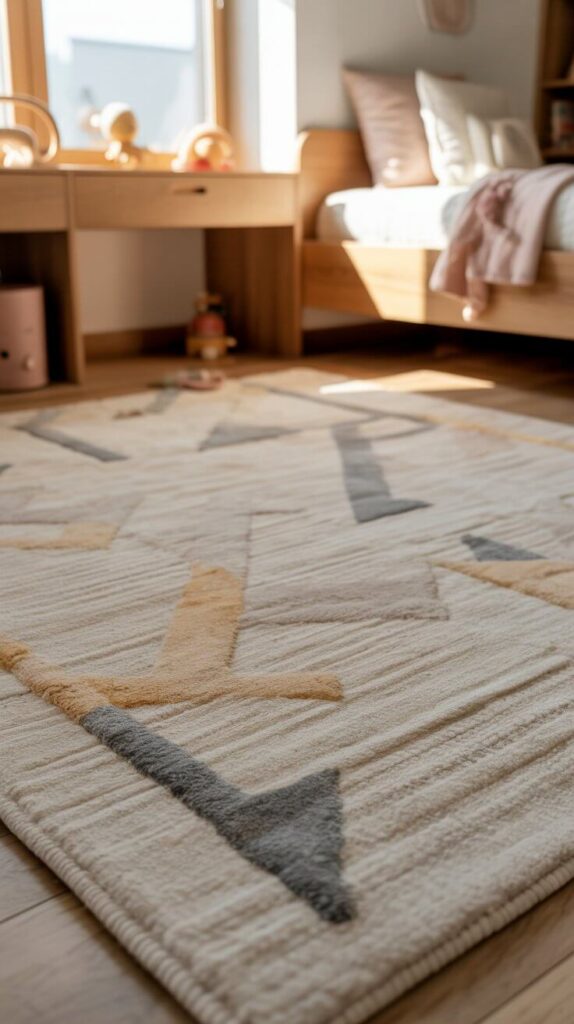
A well-made, neutrally-toned rug with some texture or a simple pattern can anchor the room for years. It won’t clash with future decor changes. Avoid character rugs unless you want to argue about replacing the Frozen rug in three years (you will lose).
Personal Take: I splurged on a durable, patterned wool blend rug. It’s hidden spills, survived playdough, and now just looks “eclectic” under a teen’s desk.
7. Install Adjustable Task Lighting
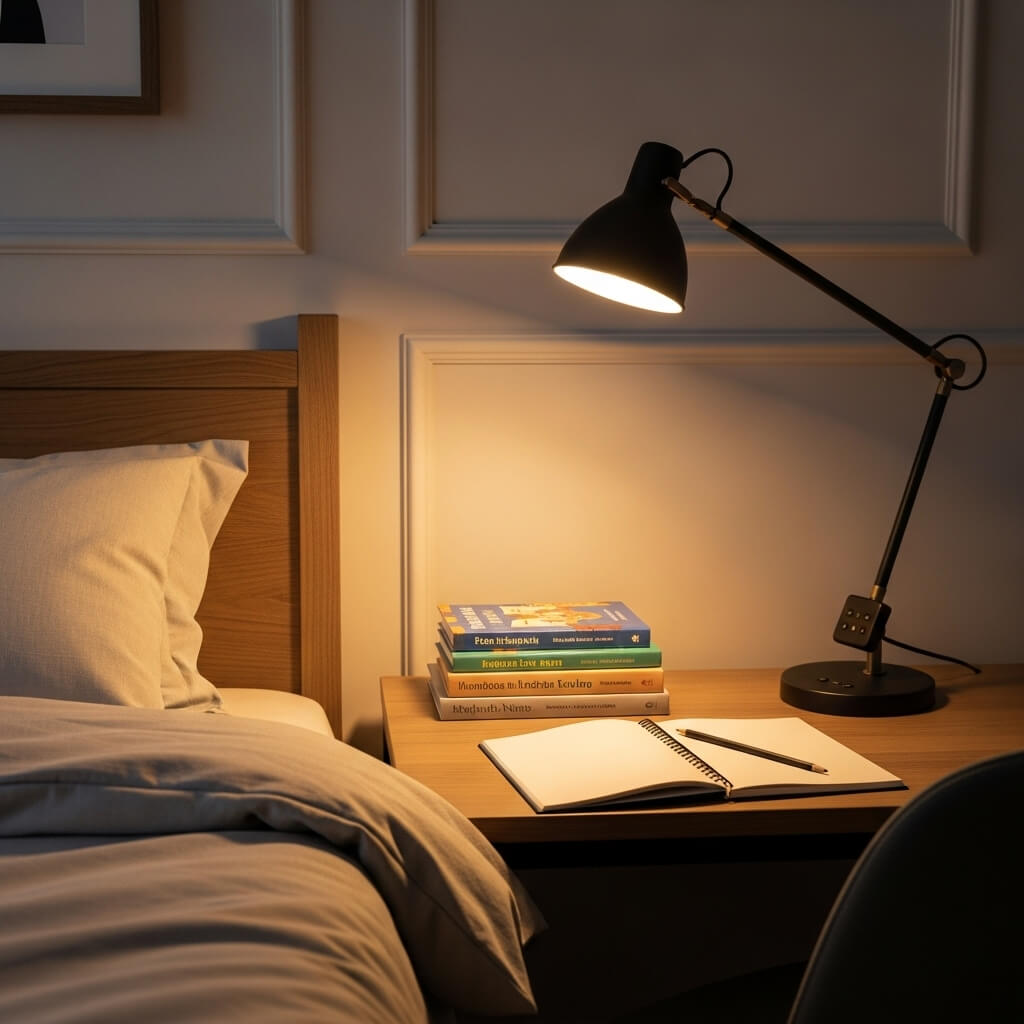
A simple, stylish adjustable arm lamp on the desk or beside the bed is perfect for bedtime stories, homework marathons, and late-night reading. You can change the lampshade for a quick style update without replacing the whole unit.
Pro Tip: Get one with a dimmer switch. It’s essential for creating a calm ambiance for little kids and a cozy vibe for bigger ones.
8. Frame Classic Art Prints (Forget the Cartoons)
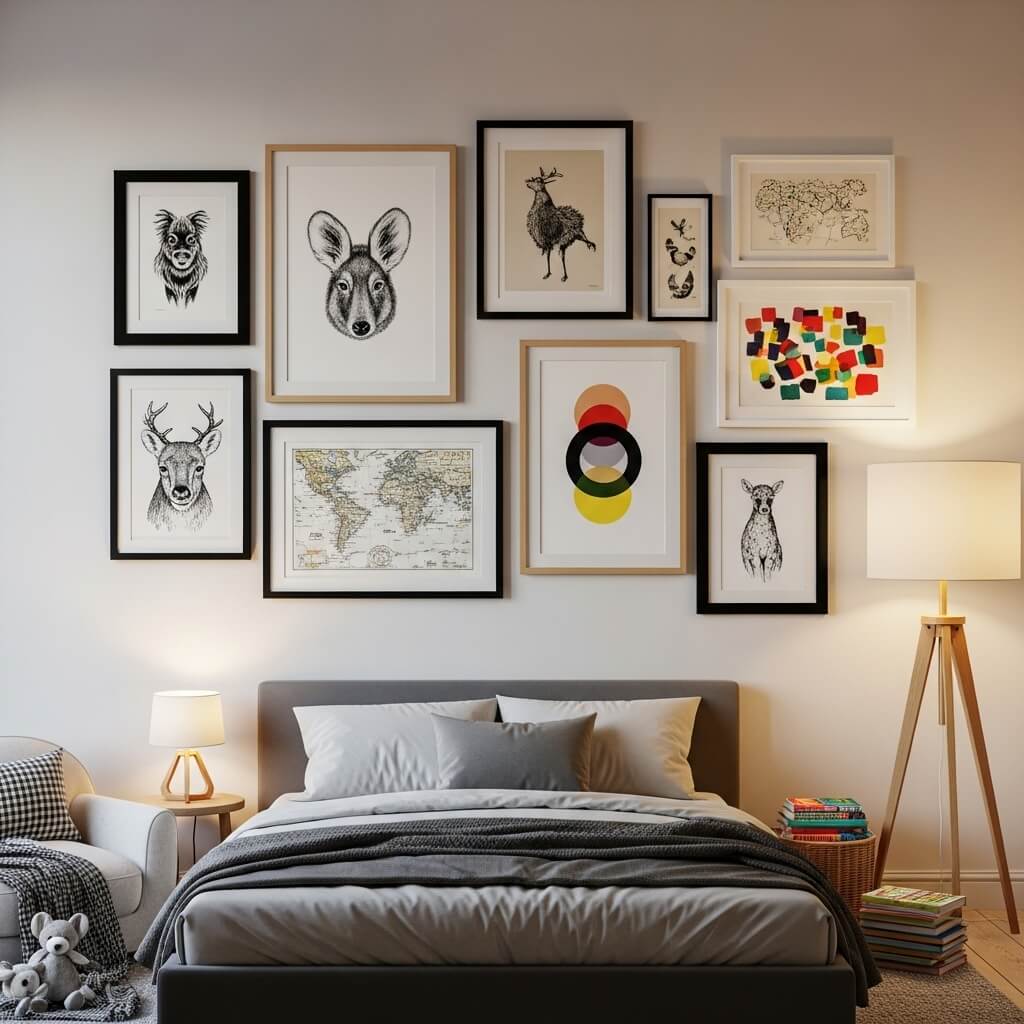
Instead of cartoon posters, frame classic art, cool maps, animal illustrations, or abstract prints. They feel sophisticated and won’t become “babyish.” A gallery wall of these can grow in sophistication simply by swapping a few pieces over time.
FYI: You can find amazing, affordable prints on sites like Etsy. Frame them in simple black, white, or wood tones for a cohesive look.
9. Pick a Versatile, Quality Glider/Rocker
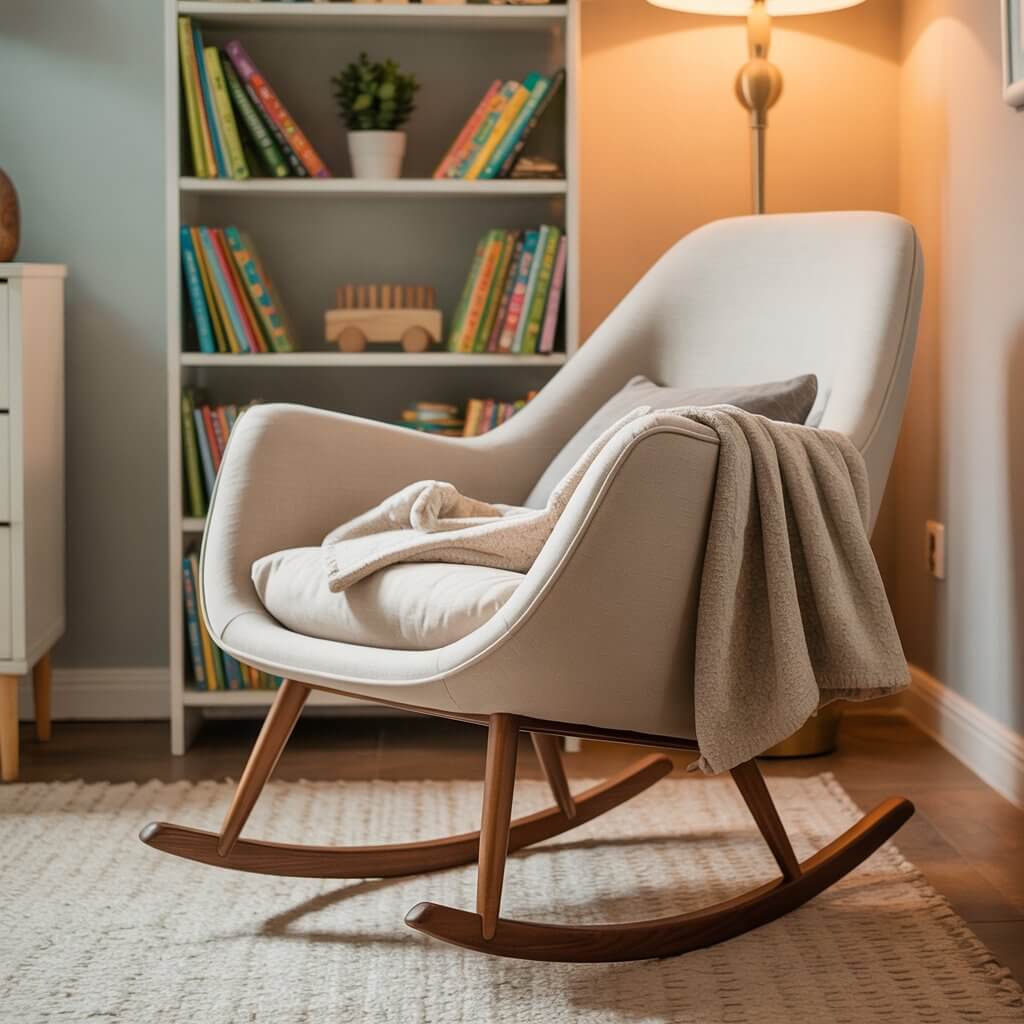
Don’t buy a nursery-specific glider covered in chenille. Choose a stylish, comfortable armchair or a sleek modern rocker that you’d actually want in your living room. It will transition beautifully to a reading nook chair.
Personal Fave: We have a mid-century style rocker in my daughter’s room. I rocked her in it, and now she curls up in it to read. Zero shame in keeping it.
10. Utilize Under-Bed Storage with Built-Ins
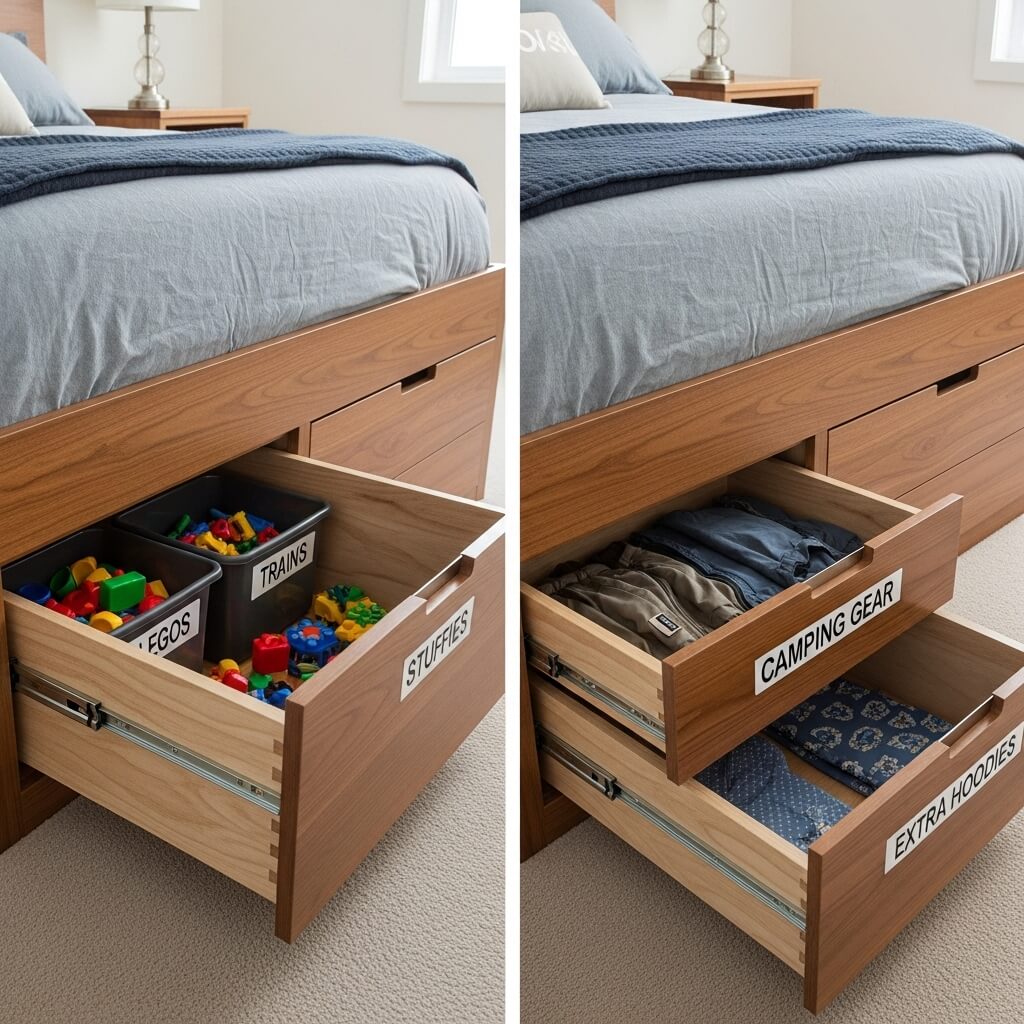
Choose a bed frame with built-in drawers or use slim, rolling bins. This storage is perfect for off-season clothes, extra bedding, or toy rotation when they’re young. For teens, it becomes prime real estate for sports gear or secret stashes (just kidding… maybe).
Ever wondered where all the Legos go? Answer: Under the bed, in labeled bins, out of sight.
11. Go for a Convertible Crib (If You Must)
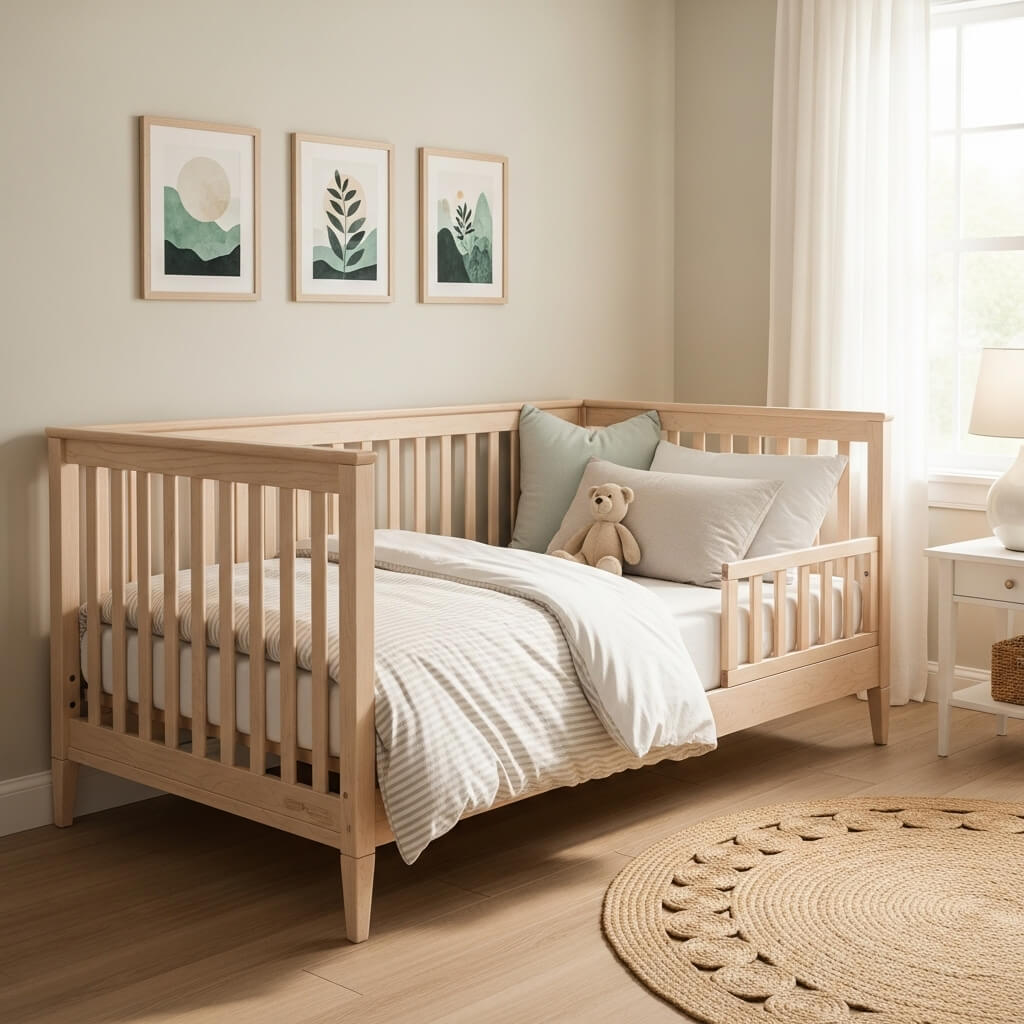
Okay, I’m a bit skeptical here because sometimes the “big kid bed” conversion looks clunky. But, if you find a crib that converts into a truly decent-looking toddler or daybed, it can be a solid investment. Do your research on the final look!
Downside: The conversions often require you to store crib parts for years. Do you really have that attic space?
12. Install a High, Double Curtain Rod
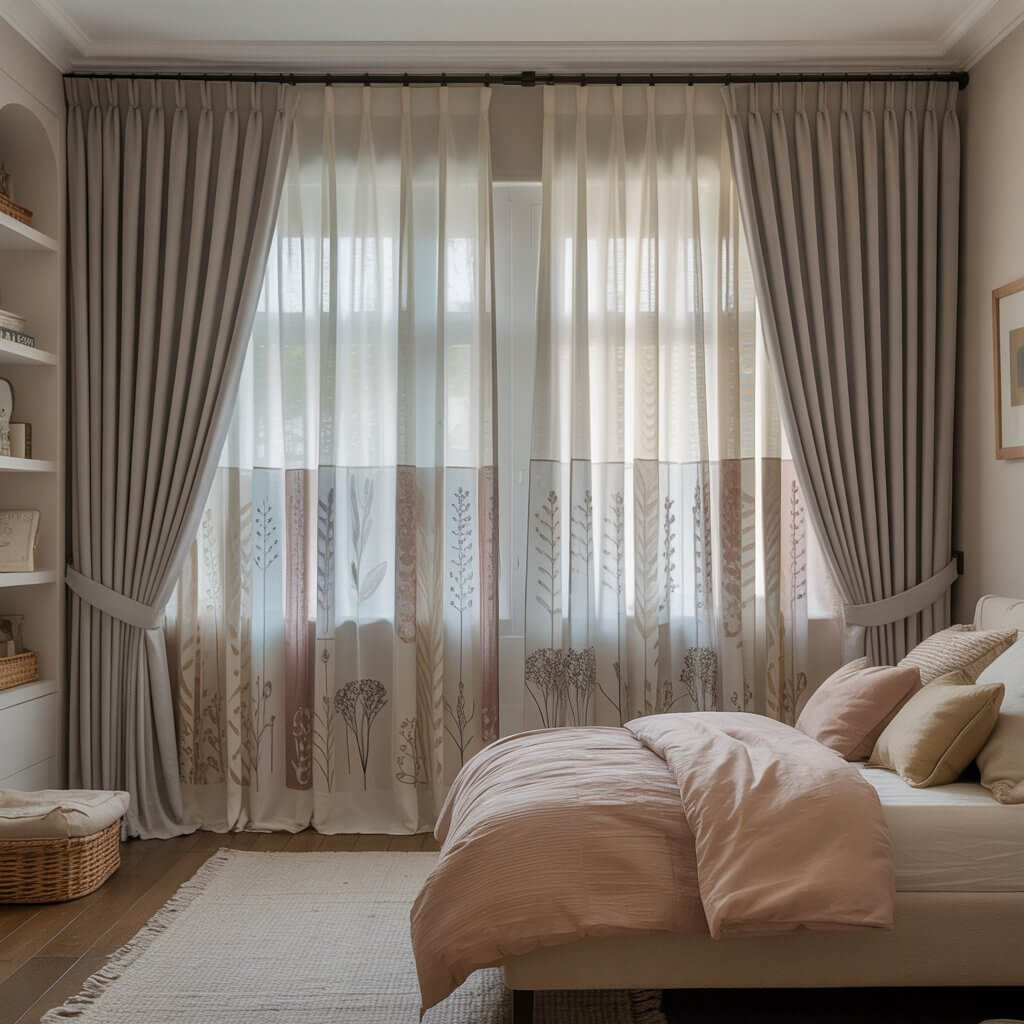
This is a sneaky-good trick. Put the curtain rod close to the ceiling to make the room feel taller. Use blackout curtains on the inner rod for sleep, and fun, lightweight patterned sheers on the outer rod. Swap out the sheers as their taste changes—it’s an instant room refresh.
Pro Move: This also gives you lighting control for nap times and Saturday morning cartoon sleep-ins. You’re welcome.
13. Create a Display System that Evolves
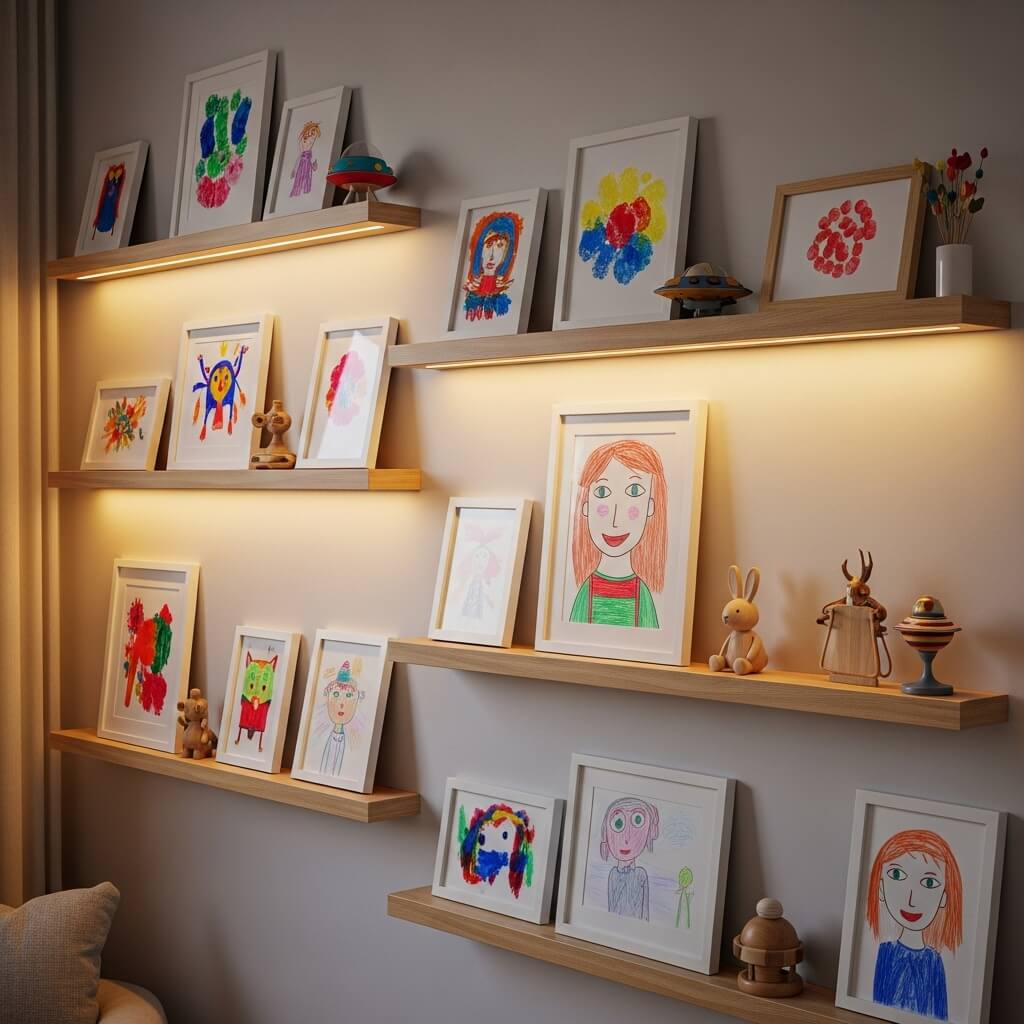
Use a large pinboard, magnetic paint, or picture ledges. For a toddler, it displays their art. For a student, it holds homework reminders and photos. For a teen, it becomes a collage of memories and inspiration. The content changes, but the system stays.
IMO: IKEA’s picture ledges are the unsung heroes of flexible decor. They’re cheap, easy to install, and endlessly useful.
14. Choose a Simple, Durable Desk
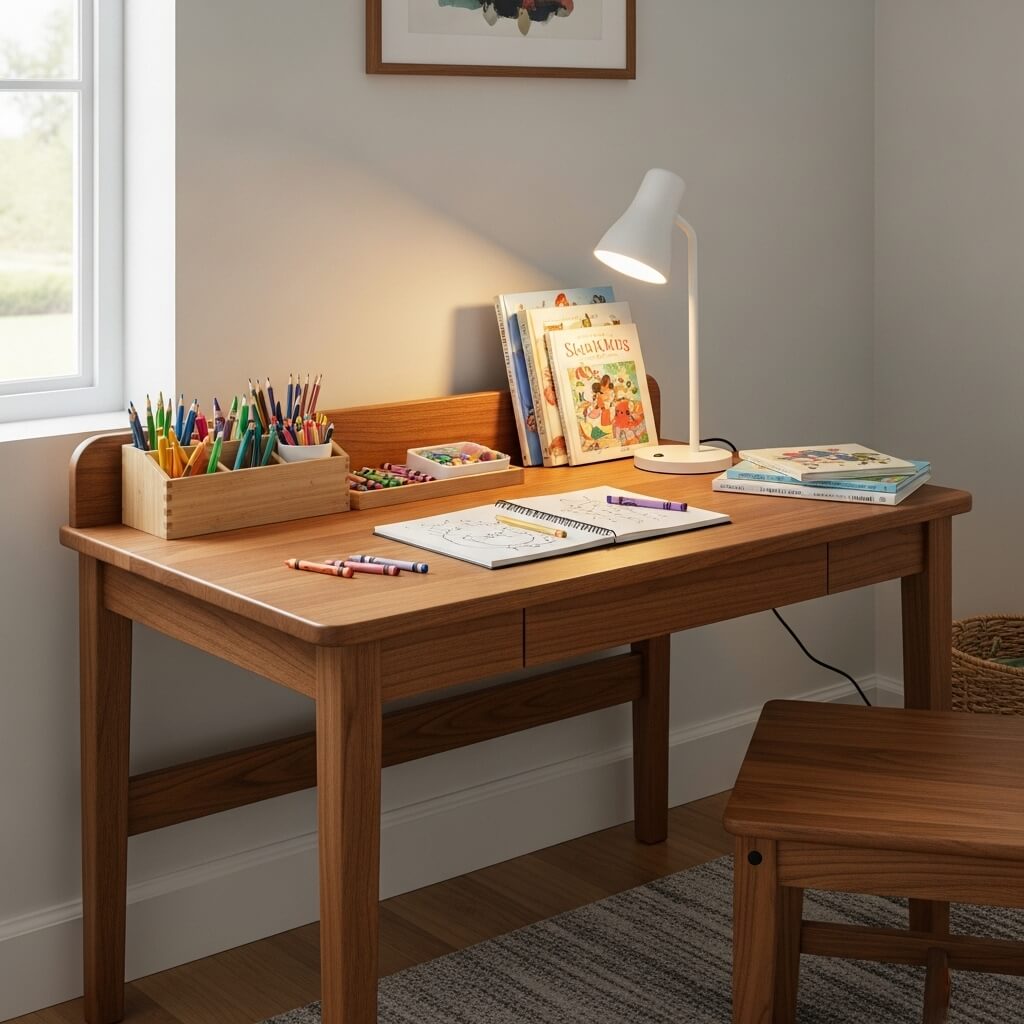
Get a plain, solid wood desk with a clean design. In the early years, it’s for coloring. Later, it’s for homework and a laptop. You can always add stickers or contact paper to the top for a young child (peels right off later), or keep it pristine for study time.
Story Time: My nephew drew all over his first “kids” desk. With a simple sanding and restain, the “big kid” desk emerged good as new.
15. Incorporate Multi-Functional Seating
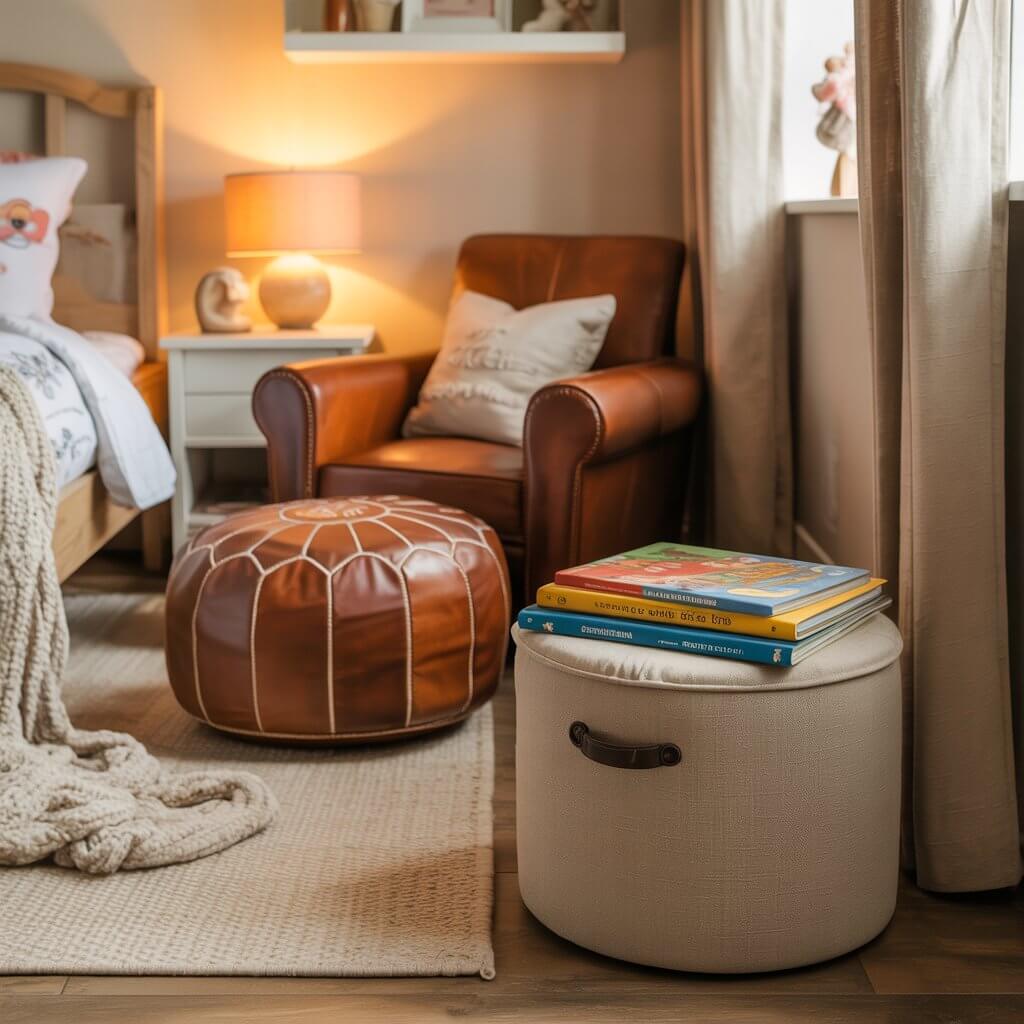
Think poufs, storage ottomans, or cube seats. They can be extra seating, a footrest, a side table, or toy storage. Their small scale and portability make them useful at every age, and you can easily recover or replace the cover if it gets stained.
Personal Take: A leather pouf in my kids’ room has been a wrestling prop, a fortress wall, a drum, and now a legit footrest. MVP of the room.
16. Use Open, Airy Bookcases
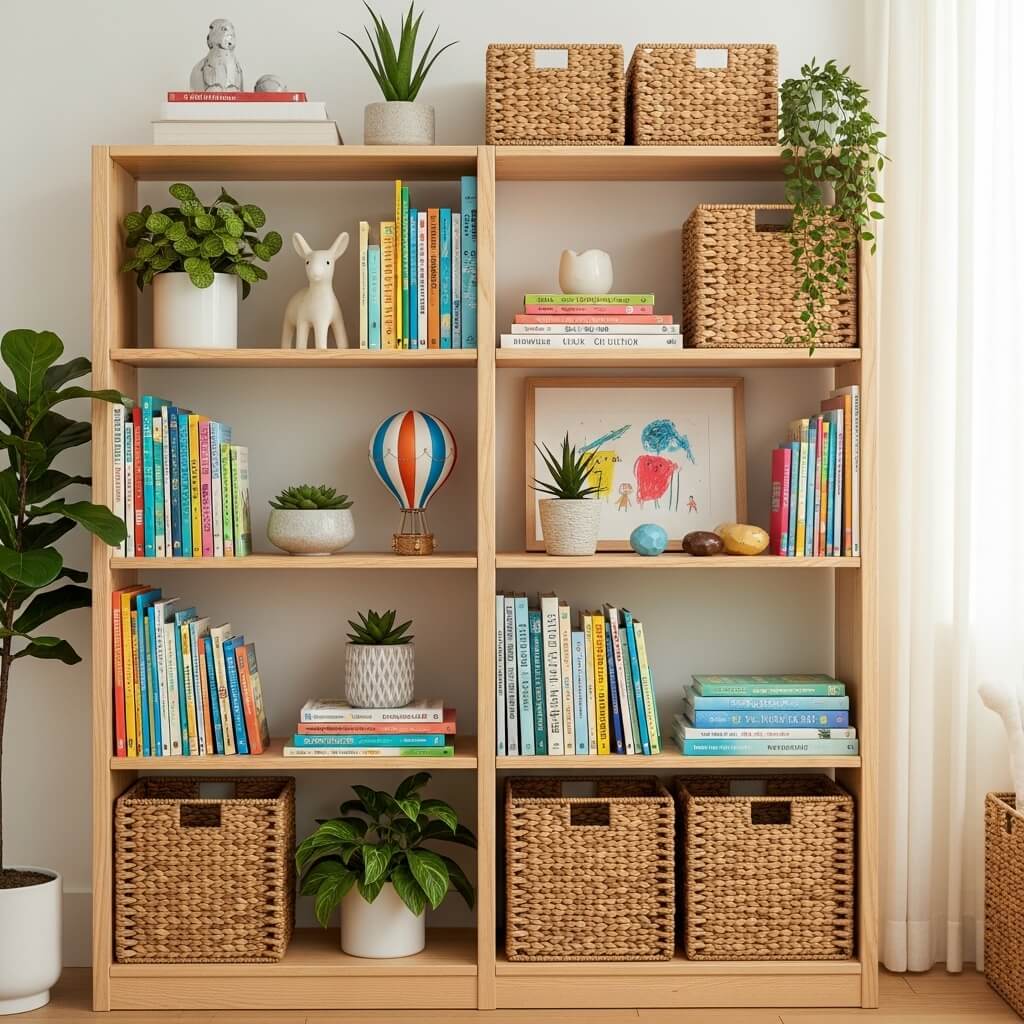
Instead of enclosed storage, use open bookcases. They feel less bulky and are way more adaptable. Style the shelves with colorful books and bins for toys initially, then gradually phase in decor items, trophies, and more sophisticated storage baskets.
Pro Tip: Stagger books both vertically and horizontally on the shelves. It looks designer-y and is easier for little hands to browse.
17. Opt for Hardware You Can Easily Swap
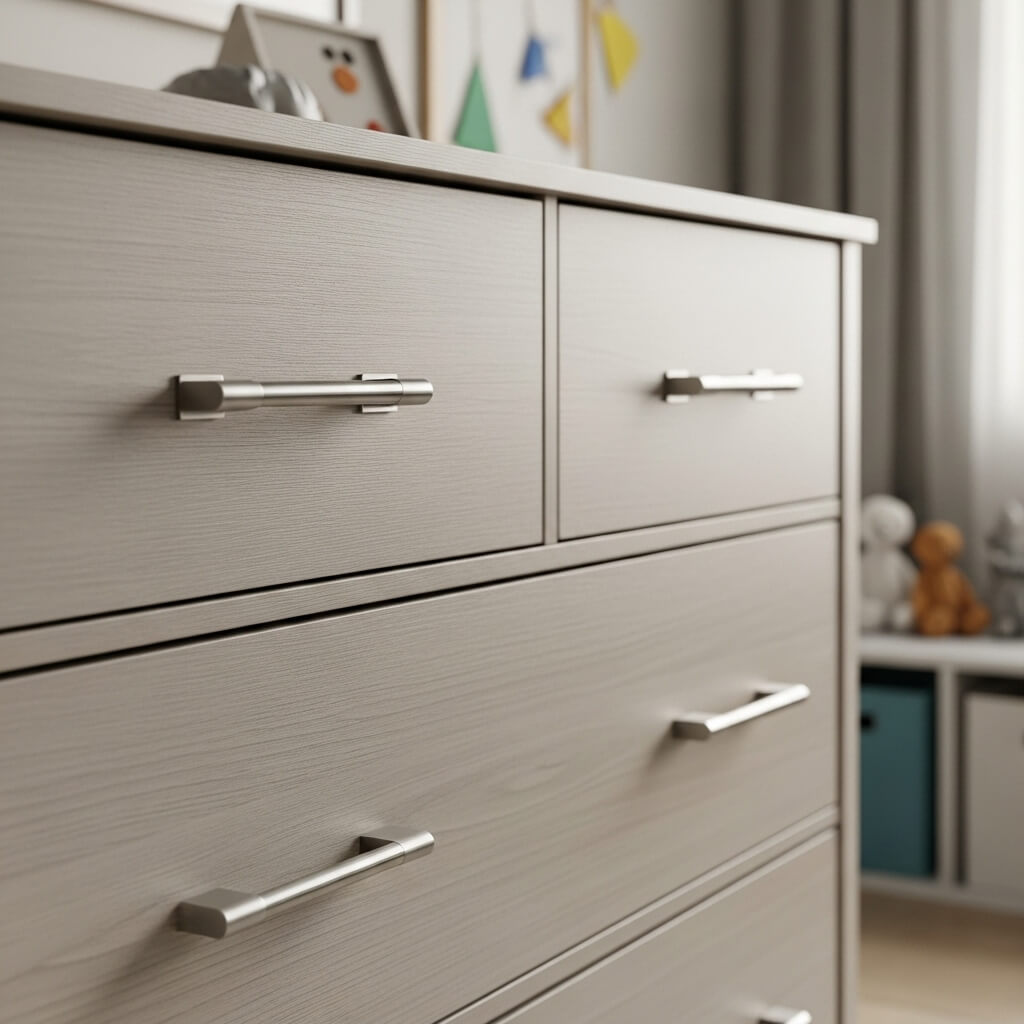
This is a 10-minute upgrade with massive impact. If you have dressers or cabinets, choose pieces with standard knob or pull sizes. Then, you can swap out dinosaur knobs for sleek metallic or ceramic pulls in a few years for a total style shift.
Ever felt like a drawer pull was judging you? The babyish ones will. Change them out and feel the power.
18. Design a “Big Wall” for Growth
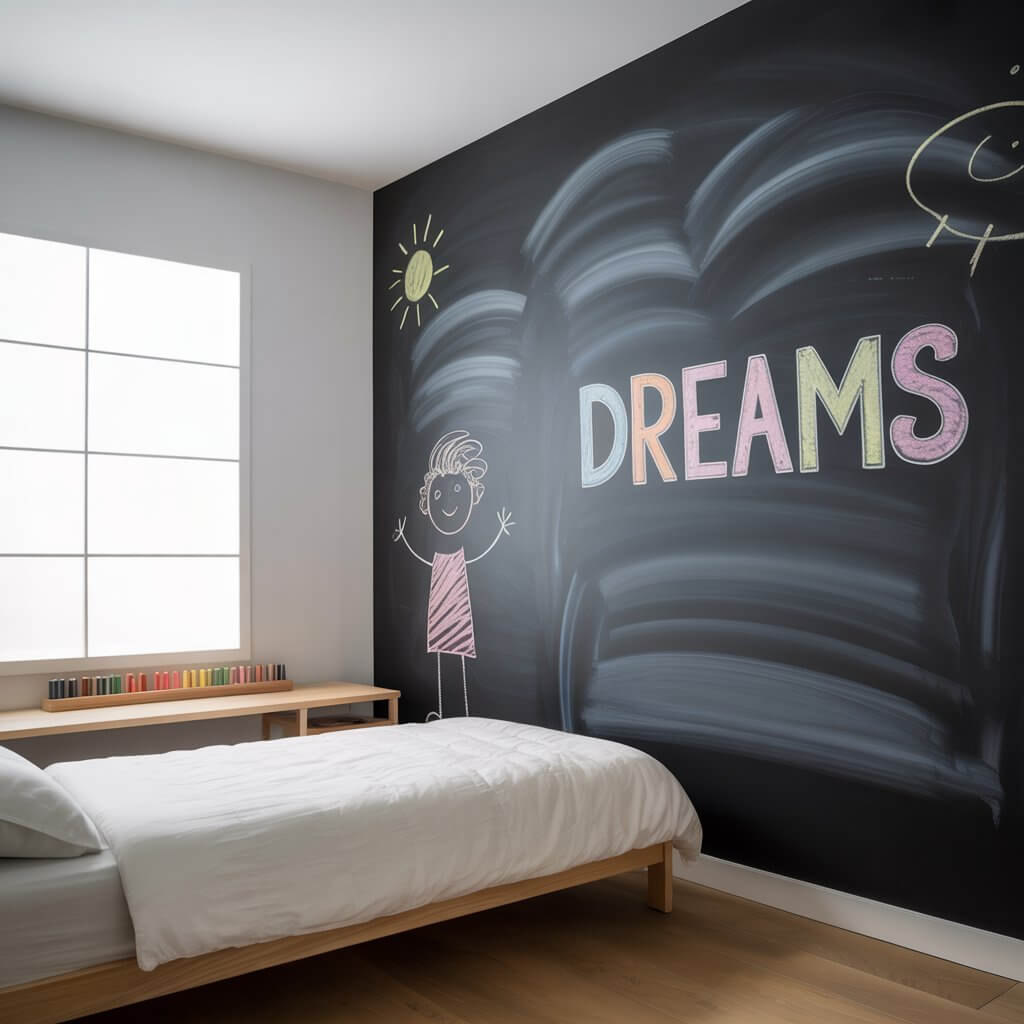
Leave one wall fairly empty or minimally decorated in the early years. This becomes the space for their evolving passions: a place for a play kitchen, then a reading tent, later a giant world map or a place for their guitar collection.
Pro Move: Paint this wall with chalkboard or whiteboard paint for an instant, changeable canvas. It’s fun at 5 for doodling and useful at 15 for math equations.
19. Buy Neutral, High-Quality Bedding
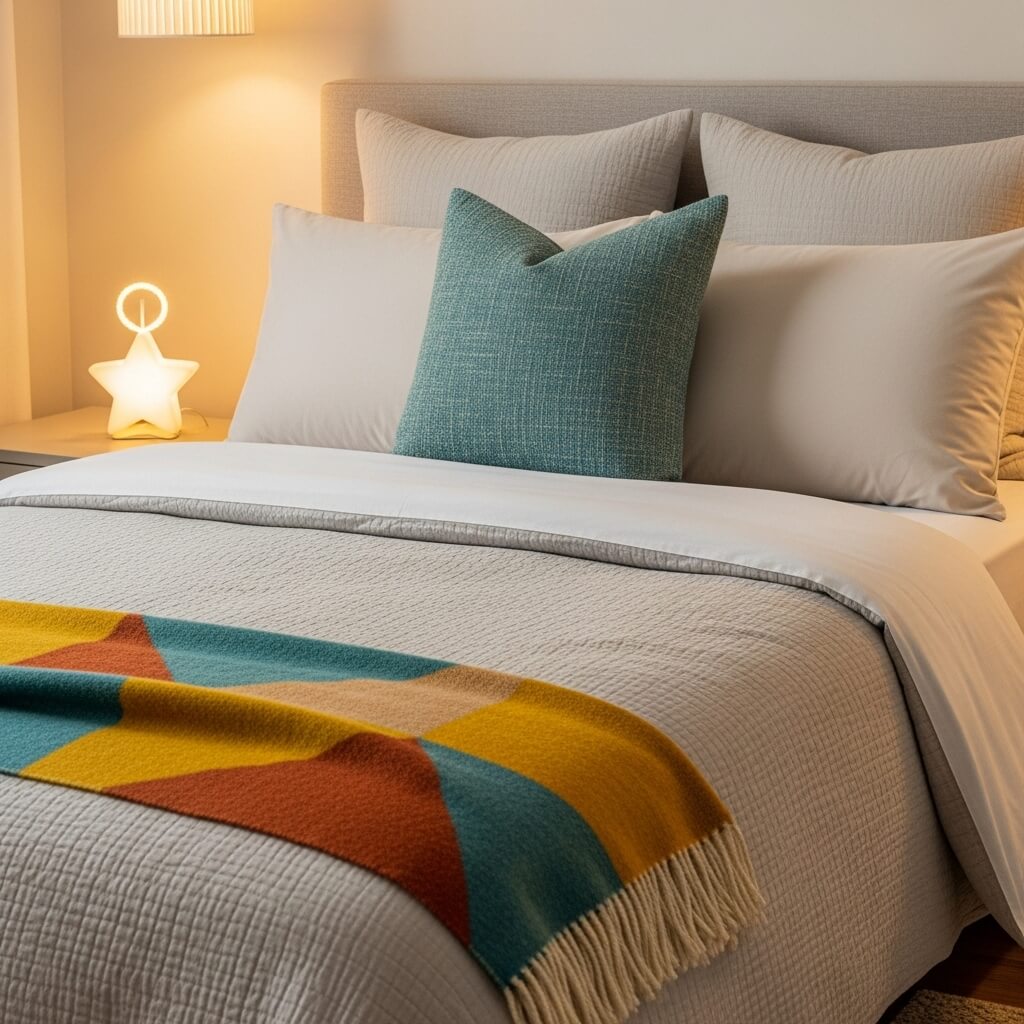
Invest in great, neutral-colored sheets and a durable duvet cover. Then, go wild with themed, cheaper throw blankets, quilts, or pillowcases. When the superhero phase passes, you just swap the accessory layer, not the whole bedding set.
FYI: Cotton percale or linen blends get softer with washes and look better with age. Character bedding… does not.
20. Embrace Wall Decals (The Good Kind)
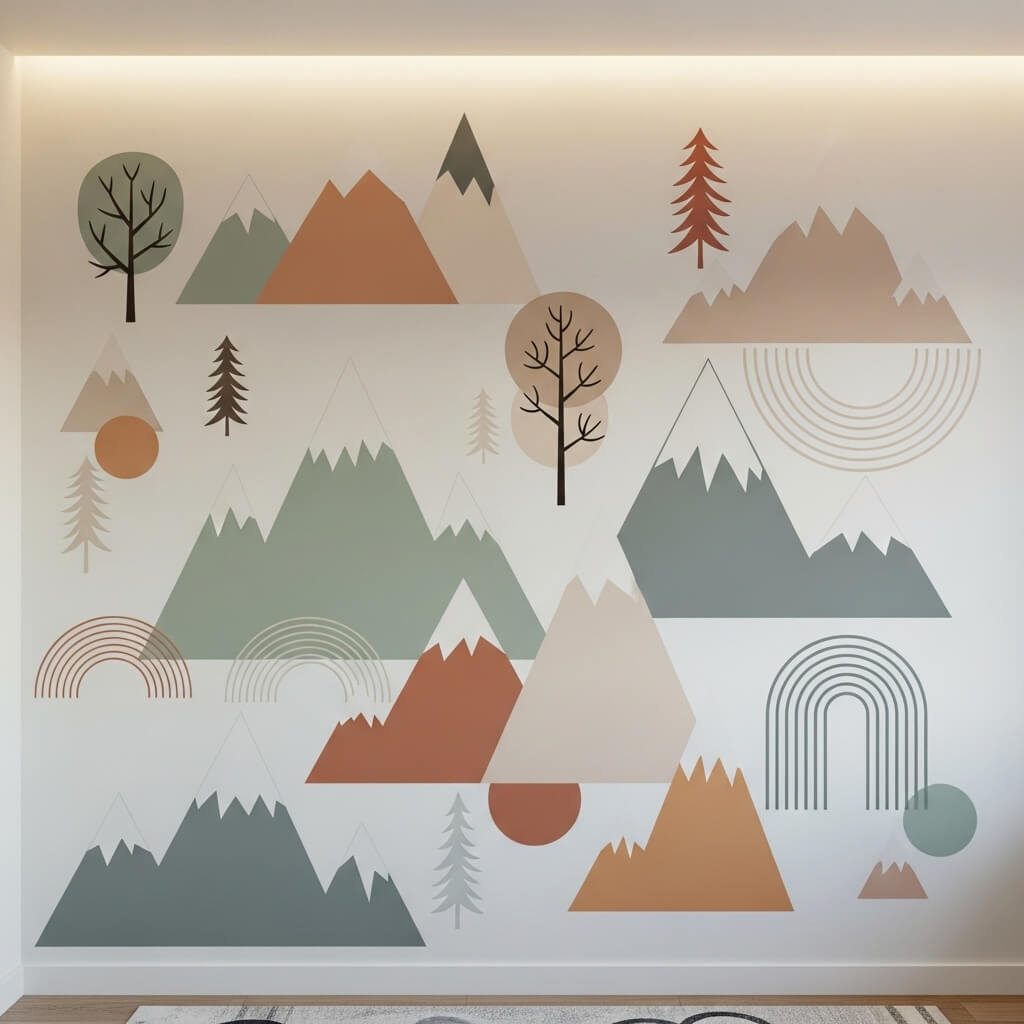
I’m not talking cheap vinyl clings that rip. I mean high-quality, beautifully designed decals—think mountains, trees, constellations, or abstract shapes. They add instant whimsy or style and peel off without damage when it’s time for an update. Much easier than a mural!
Personal Fave: A set of geometric triangle decals made my daughter’s toddler room look cool. We peeled them off at age 10, and the wall was perfectly prepped for her next idea.
The Long Game: Your Peace of Mind
See? Decorating a kid’s room doesn’t have to be a temporary fling. It can be a long-term relationship with the space, full of little updates instead of dramatic break-ups and make-ups.
The goal is to build a foundation that’s flexible, forgiving, and full of potential. You save money, you save your sanity, and you give your kid a room that truly feels like theirs at every stage. Now, go enjoy not having to completely redecorate next year. You’ve earned it.