20 Small Living Room Ideas That Make Your Space Look Bigger
Hey there! So, you’ve got a living room that’s feeling a little… cozy. And by cozy, I mean you can practically high-five your guest from your seat without stretching. I get it. I’ve lived in apartments where the living room doubled as a hallway, a dining nook, and occasionally a yoga studio (badly). But let me tell you a secret: a small space isn’t a life sentence. It’s a fantastic design challenge.
Forget everything you think you can’t do. We’re not about stuffing your space with tiny furniture and calling it a day. We’re going to trick the eye, use some psychological magic, and create a room that breathes. Ready to make your compact living area feel like a grand retreat? Let’s jump in.
1. The Magic of a Monochromatic Color Scheme
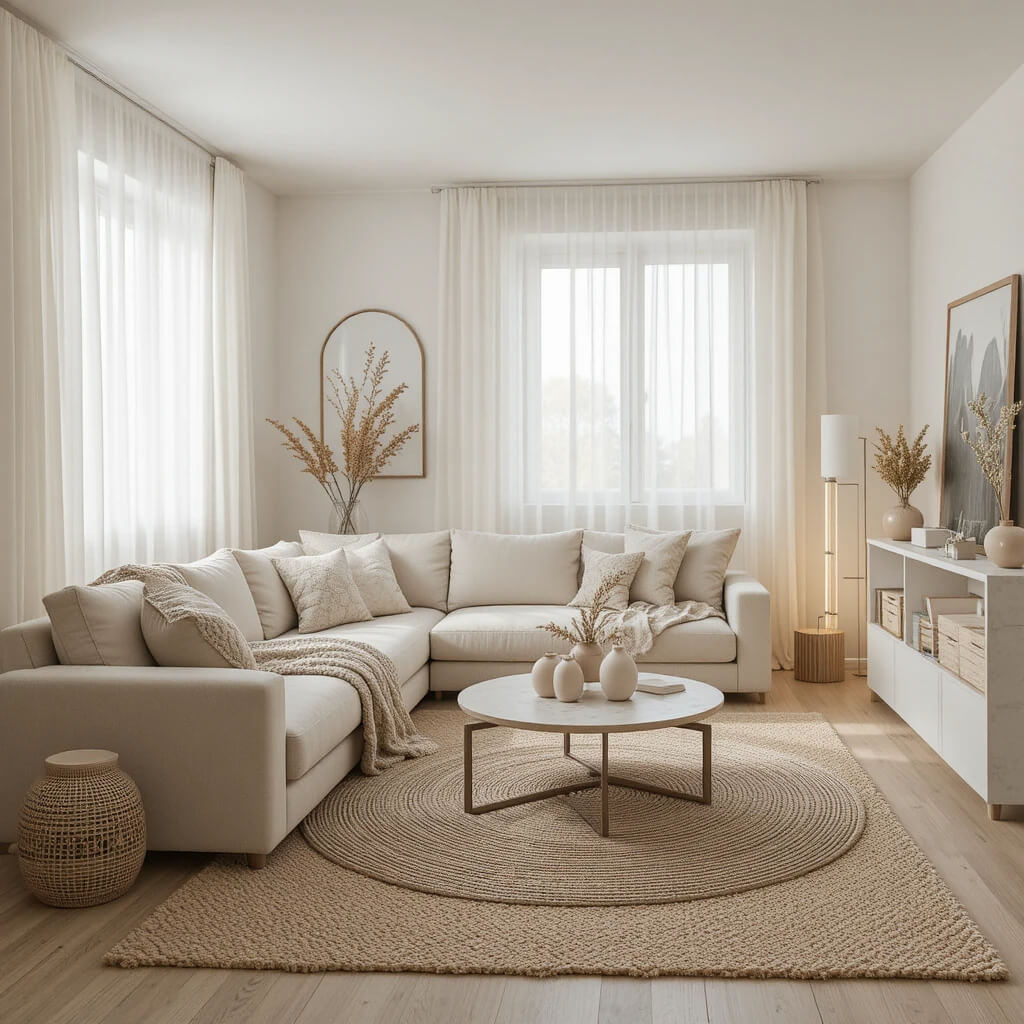
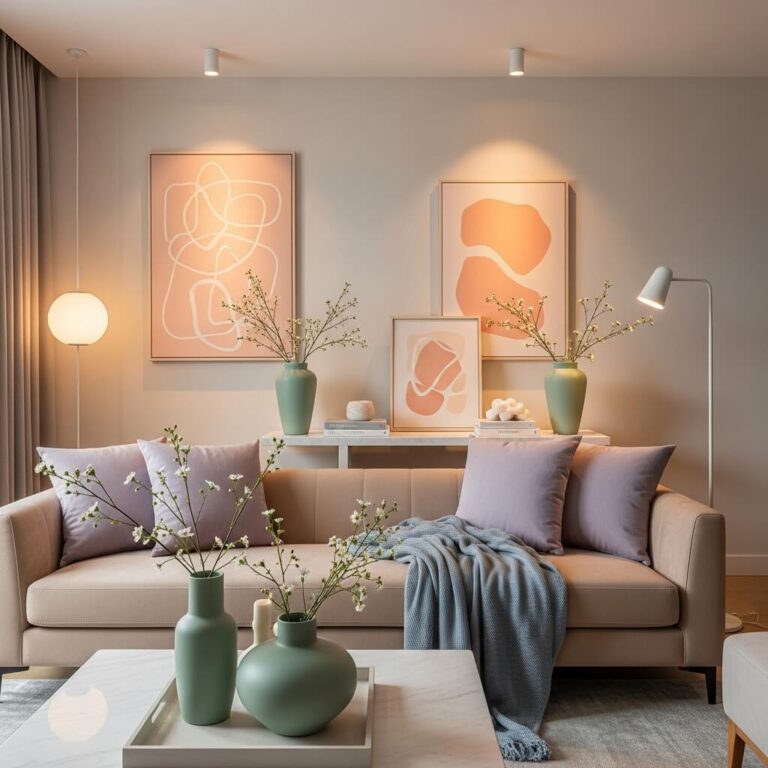
Stick with me here. I know you love that accent wall in terracotta, but when every surface is a different color, it visually chops up the room. A single, light color family—think creams, soft grays, pale blues—creates a seamless visual flow. Your eye doesn’t get stuck on boundaries, so the walls feel like they’re receding.
How to nail it:
- Choose a Light Base: Start with a soft, neutral white or beige for your walls. This isn’t boring; it’s your blank canvas.
- Layer Textures, Not Colors: This is the fun part. Add depth with a chunky knit throw, a nubby woven rug, sleek metallics, and matte ceramics. The room feels rich and detailed without visual clutter.
- Keep It Cohesive: Your sofa, curtains, and major upholstery should live in the same color family. A difference of a few shades is fine, but avoid stark contrasts.
Ever walked into an all-white room and felt how serene and open it seemed? That’s the power of monochrome. It’s like visual Xanax for a busy space.
2. Let There Be (The Right) Light
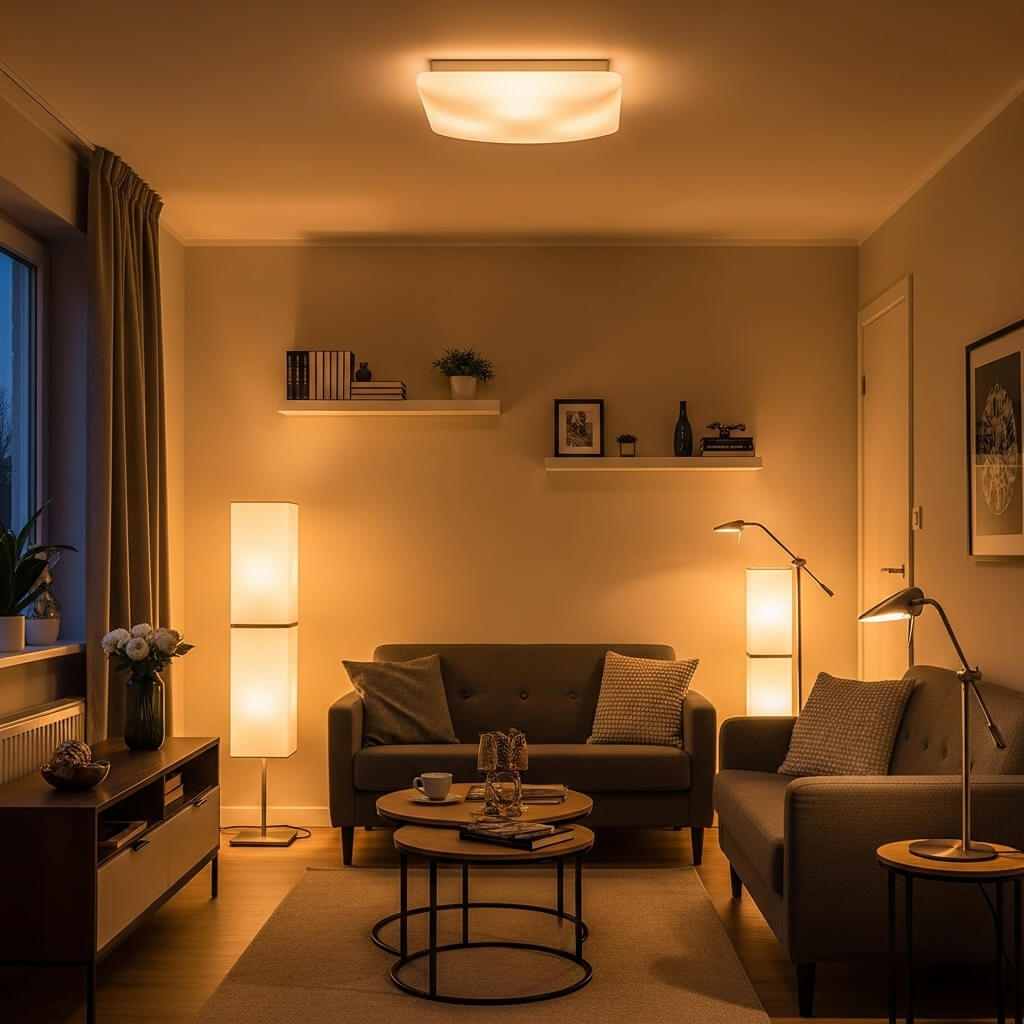
Dark, shadowy corners are a small room’s worst enemy. They make the walls feel like they’re closing in. Your mission is to bathe the space in warm, layered light. Harsh overhead lights? They’re the villain in this story. They create gloomy pits of shadow and feel about as cozy as a dentist’s office.
Build your lighting arsenal in three layers:
- Ambient: This is your general, gentle fill light. Think ceiling-mounted fixtures with diffusers or strategically placed floor lamps bouncing light off the ceiling.
- Task: A sleek, adjustable arm lamp by your reading chair or a small pendant over a side table. It’s light with a job.
- Accent: This is the jewelry. A picture light over art, tiny LEDs on a bookshelf, or candles. They draw the eye around the room, making it feel larger.
The goal is to eliminate dark voids. A well-lit room has nowhere to hide its boundaries, so it feels expansive. Trust me, lighting is the upgrade that keeps on giving.
3. Become a Vertical Visionary
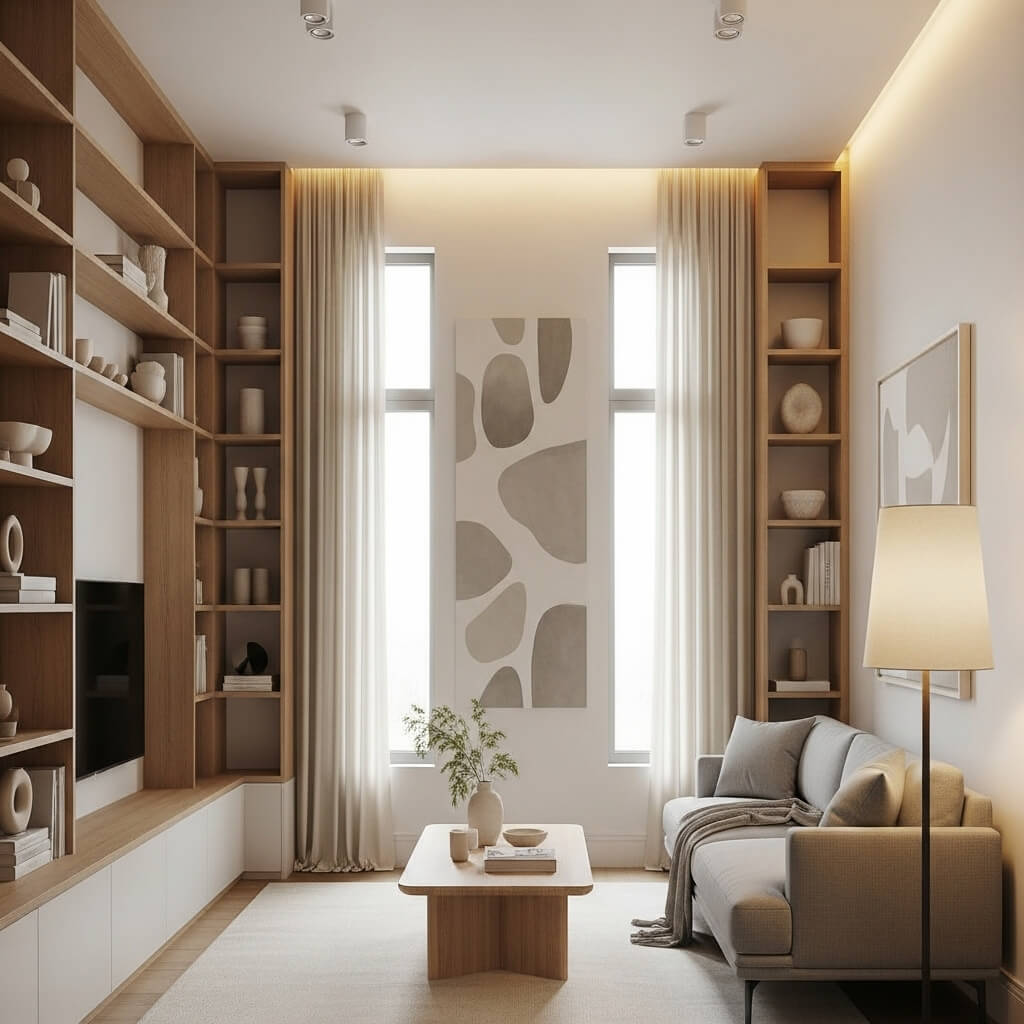
We focus so much on floor space, we forget about the acres of unused real estate on our walls. Drawing the eye upward automatically creates a feeling of airiness. It’s like wearing vertical stripes—it just makes everything seem taller.
Your vertical strategy should include:
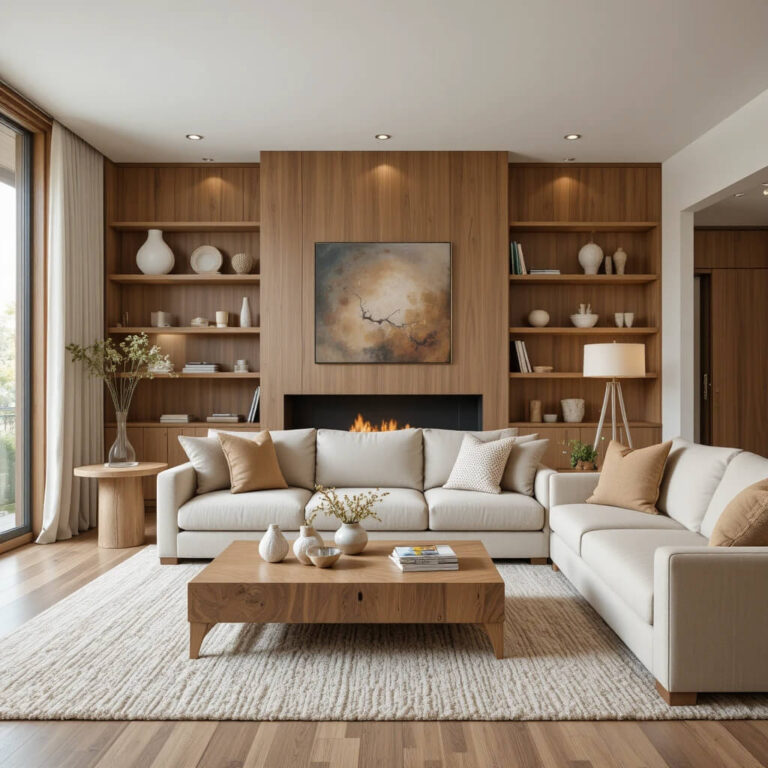
- Tall, Strategic Shelving: Install shelves that go all the way to the ceiling. Use the higher shelves for decorative items (vases, books with nice bindings) you don’t need daily. It’s storage and art.
- High-Hanging Curtains: This is my favorite trick. Hang your curtain rod close to the ceiling, not right above the window. Let the curtains pool slightly on the floor. This creates a long, elegant line that makes your ceilings appear sky-high.
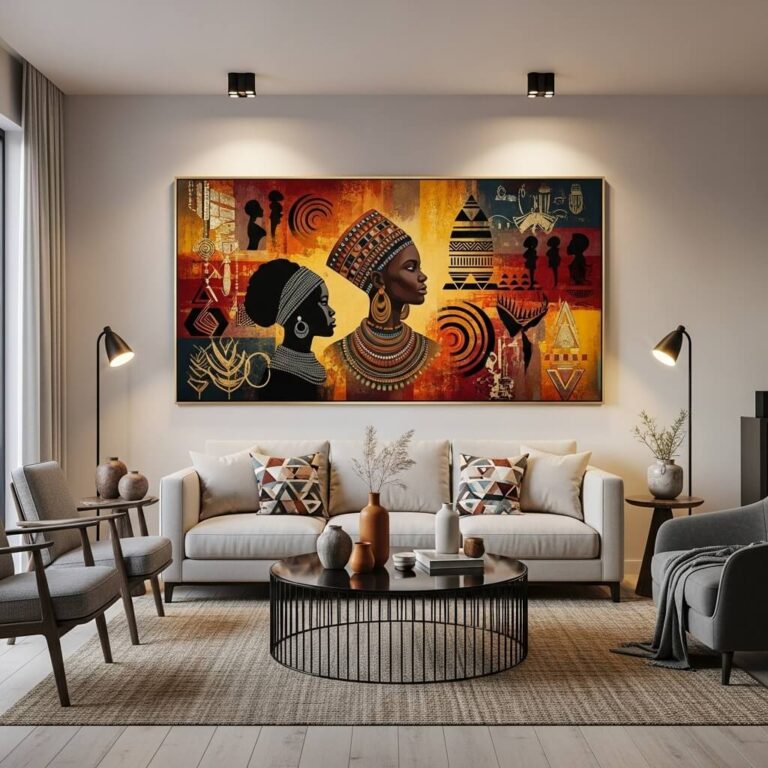
- Statement Artwork: One large piece of art is better than a cluttered gallery wall in a tiny room. Position it at eye-level, but let its scale command the vertical space.
Stop thinking left-to-right and start thinking floor-to-ceiling. You’ll be shocked at the difference.
4. The Clear Furniture Revolution
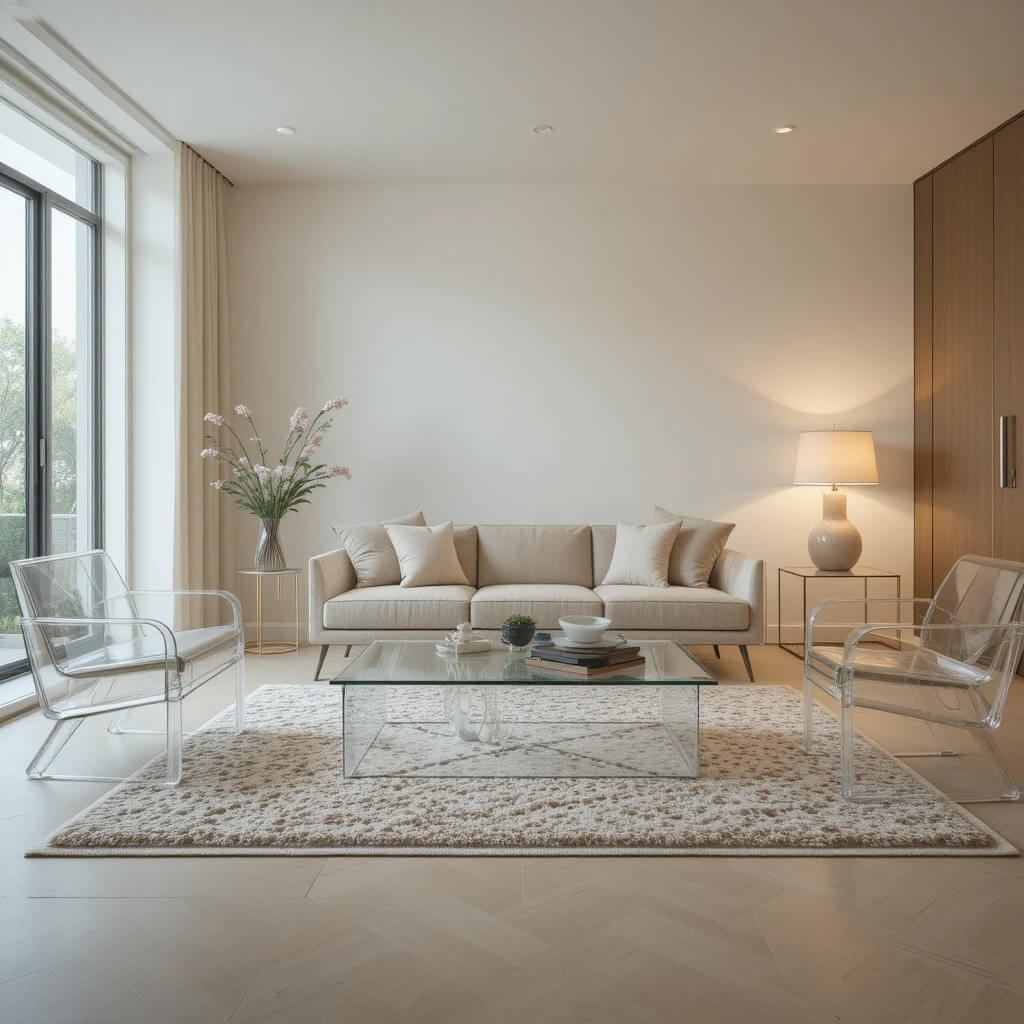
Furniture that you can see through takes up zero visual space. It’s a simple illusion, but a brutally effective one. A bulky, opaque coffee table is a visual roadblock. A glass or acrylic one? It’s practically a ghost.
Where to incorporate “invisible” pieces:
- The Coffee Table: An acrylic or glass-top table is a game-changer. It provides a surface without heaviness. You still see the rug and floor beneath, maintaining flow.
- Lucite Accessories: Acrylic side tables, shelving units, or even chair frames keep the sightlines open. They have a cool, modern vibe too.
- Furniture with Legs: This applies to everything! Choose sofas, chairs, and consoles with exposed, slender legs. Seeing the floor underneath creates a sense of continuous space.
I swapped a solid wood coffee table for a glass one once and my friend asked if I’d knocked down a wall. I hadn’t, but the room felt like I had. Magic.
5. Mirror, Mirror on the Wall (And Everywhere)
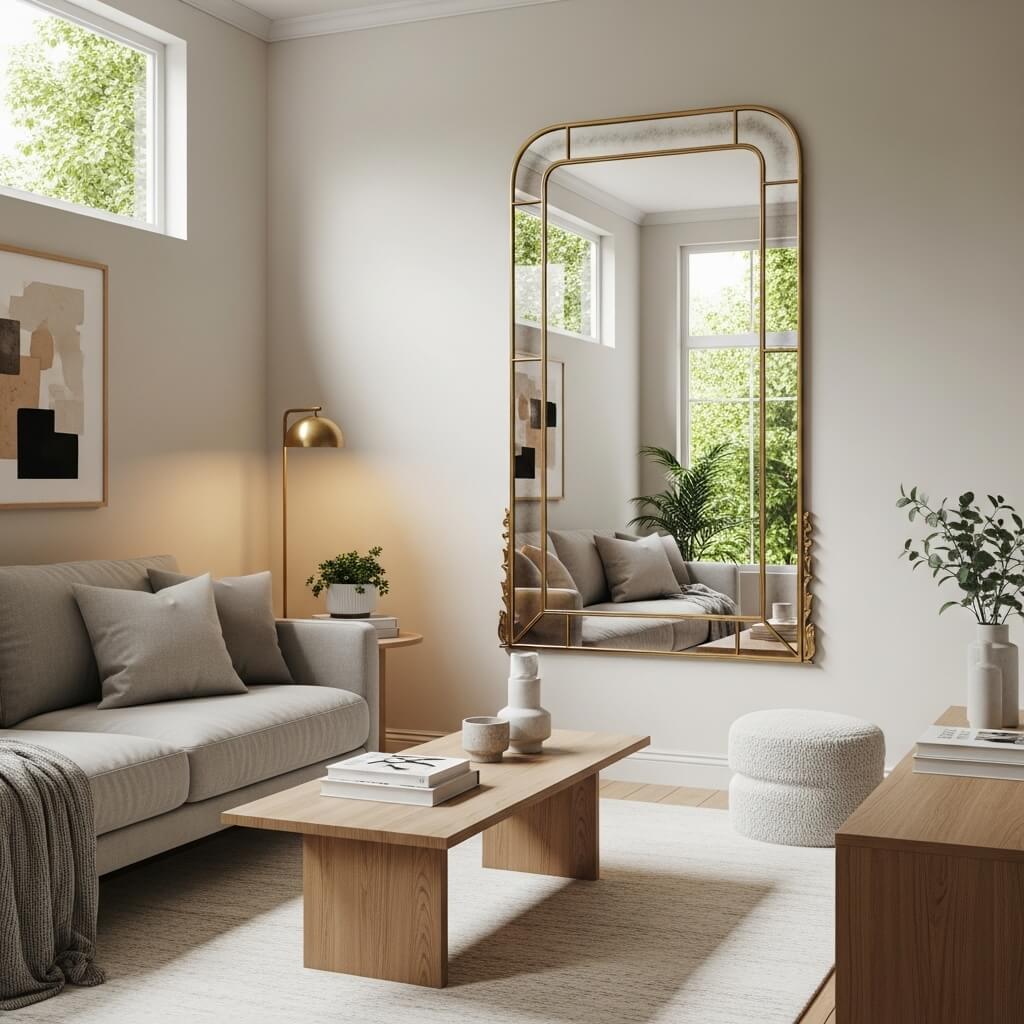
This is Decorating 101, but are you doing it right? Mirrors don’t just reflect light; they literally double your visual space. Placing one opposite a window is the classic move, but let’s get creative.
Pro-level mirror placement:
- Go Big or Go Home: One large mirror is more impactful than several small ones. A floor-leaning mirror can act like a piece of art.
- Reflect Something Worth Seeing: Position it to bounce light from a lamp or capture a pleasant view (even if it’s just your nicely styled bookshelf). Don’t reflect your cluttered entryway, okay? 🙂
- Use Mirrored Surfaces: A side table with a mirrored door, a decorative screen with mirror tiles, or even high-gloss furniture can have a similar light-bouncing effect.
It’s the oldest trick in the book because it works every single time. A well-placed mirror is like a window to another, identical, perfectly tidy version of your room.
6. Double-Duty Furniture: Your Secret Weapon
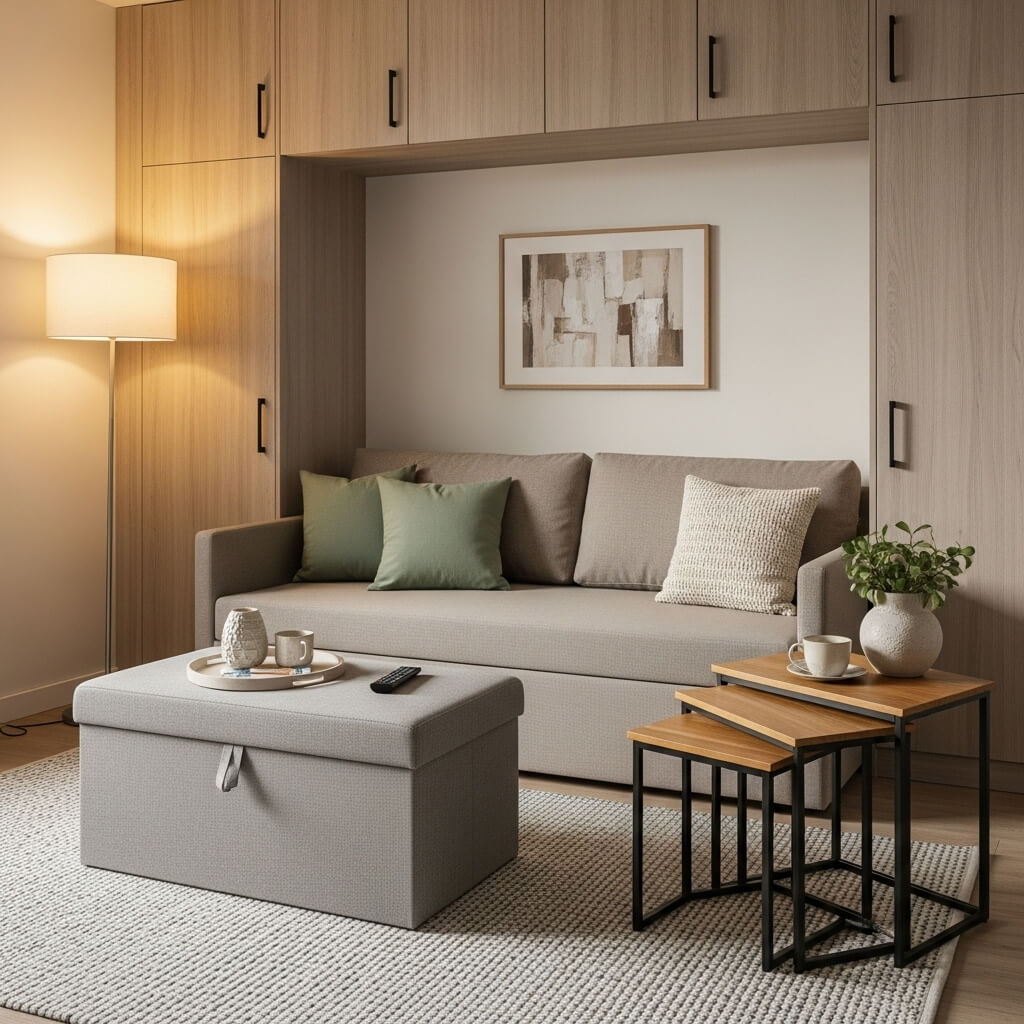
In a small living room, every piece must earn its keep. That pouf that just sits there? Fire it. We want heroes that do two, maybe three jobs at once. This minimizes clutter and maximizes function, which is the ultimate goal.
Seek out these multitasking marvels:
- The Storage Ottoman: It’s a footrest, it’s extra seating when friends come over, and its hollow belly swallows blankets, remotes, and that knitting project you swear you’ll finish.
- The Sleeper Sofa: Not your grandma’s lumpy pull-out. Modern sofa beds are sleek and comfortable for both sitting and sleeping. It transforms your living room into a guest room in seconds.
- Nesting Tables: They tuck away neatly but provide ample surface area when you need them for drinks, snacks, or board games.
When you buy furniture, ask it, “What else can you do for me?” If it stares back blankly, keep looking. Your square footage is too precious for freeloaders.
7. Scale Down Your Furniture (Seriously)
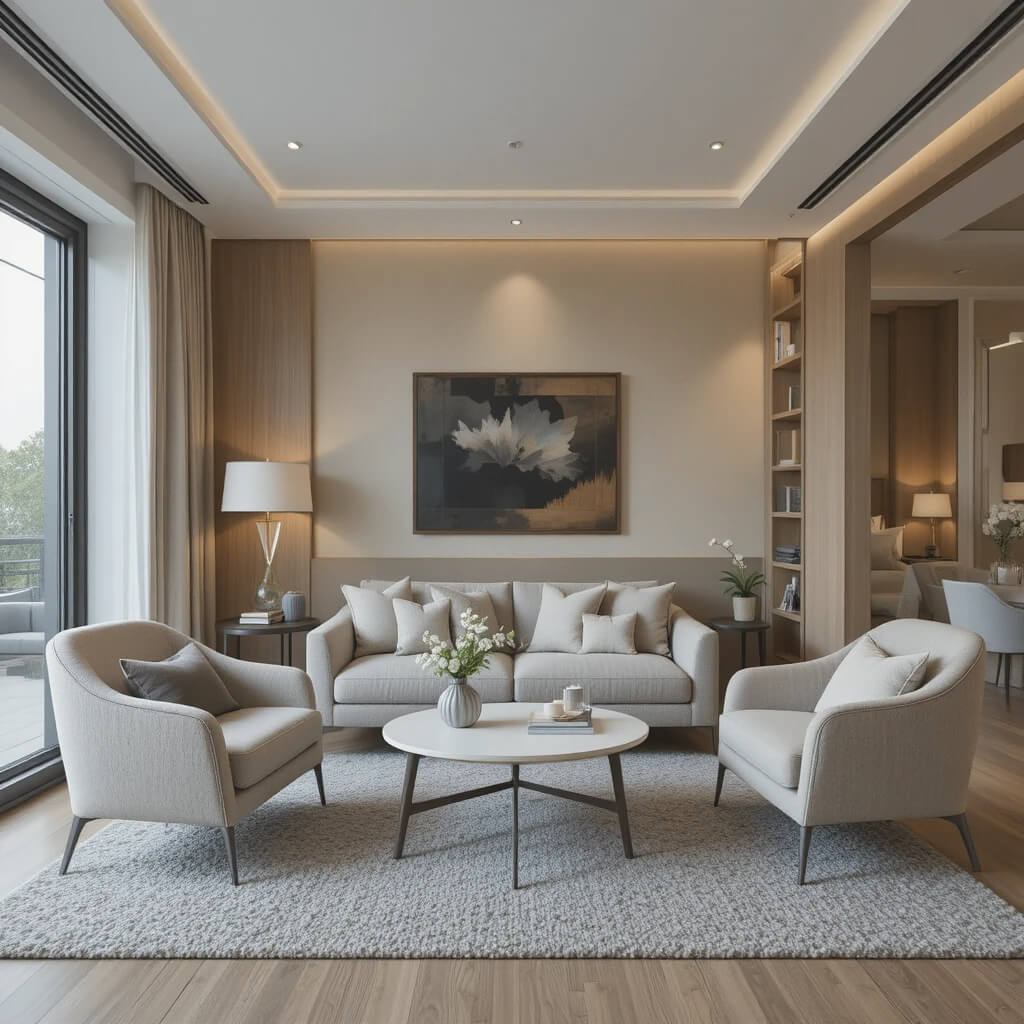
It sounds obvious, but we’re often tempted by that giant, sink-into-it sectional. Resist! Oversized furniture makes a room look like it’s wearing clothes three sizes too small. The right scale is everything.
How to choose perfectly proportioned pieces:
- Measure Twice, Buy Once: Know your room’s dimensions and map out a floor plan. Leave clear walkways (at least 18 inches) around furniture.
- Embrace Apartment-Sized: Many brands now offer “apartment” or “slim” versions of sofas and chairs. They have a smaller footprint but don’t sacrifice comfort.
- Consider Visual Weight: A leggy, open-arm chair feels lighter than a bulky, upholstered club chair, even if they take up the same floor space.
A loveseat and two sleek armchairs often work better than a full-sized sofa. It’s about creating a conversation area that feels intentional, not crammed.
8. Create a Focal Point
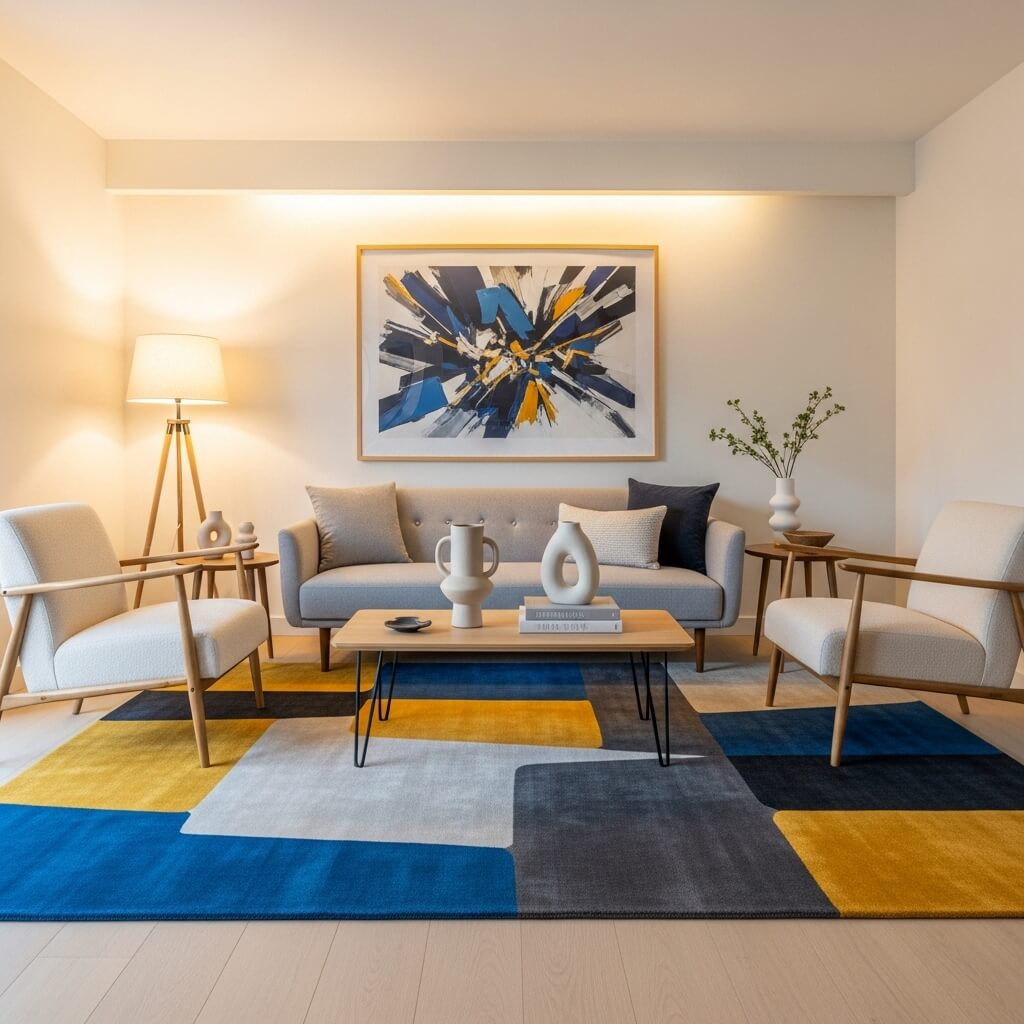
A room without a focal point feels chaotic and, ironically, smaller because your eye doesn’t know where to land. You need one clear star of the show to anchor the space and give it order. Everything else plays a supporting role.
Great focal points for small living rooms:
- A Statement Media Unit: A beautiful, well-organized console for your TV that offers closed storage.
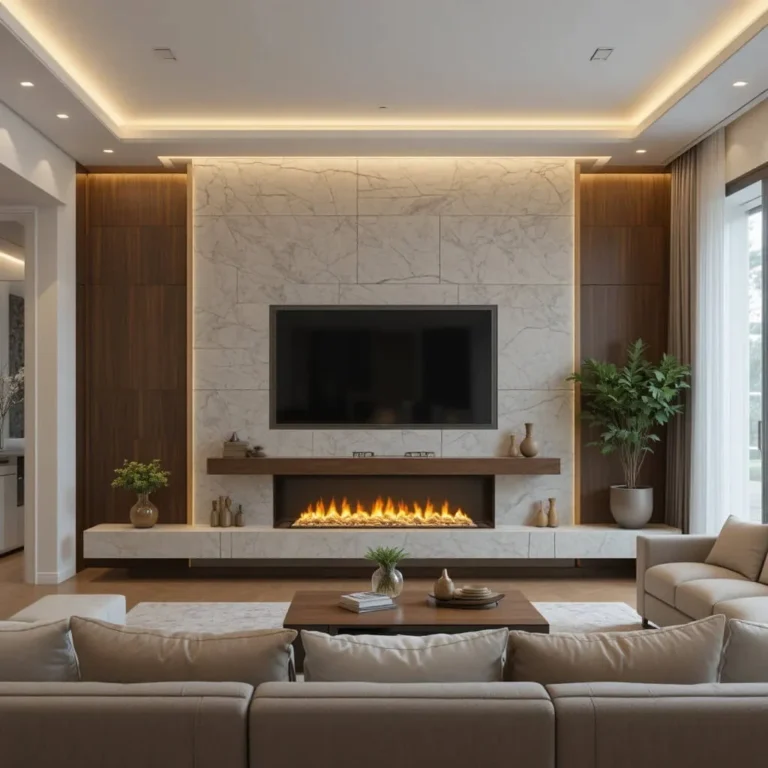
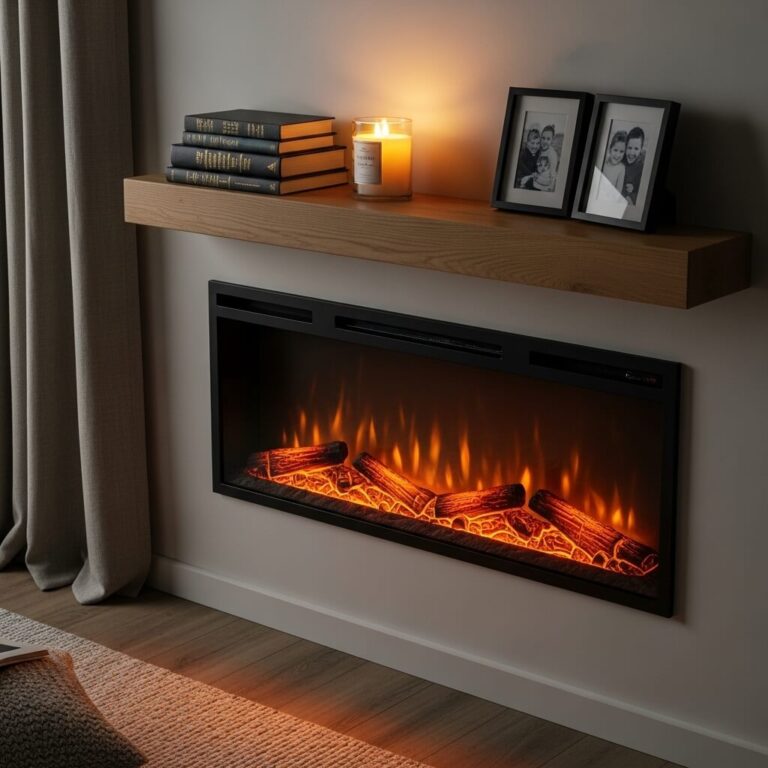
- A Fireplace: If you’re lucky enough to have one, play it up! Style the mantel simply.
- A Work of Art: That large-scale painting or print we talked about.
- A Bold Rug: A patterned rug can define the seating area brilliantly.
Arrange your furniture to gently direct attention toward this focal point. It creates a sense of purpose and hierarchy that makes a room feel designed, not just stuffed with stuff.
9. The Power of Strategic Stripes
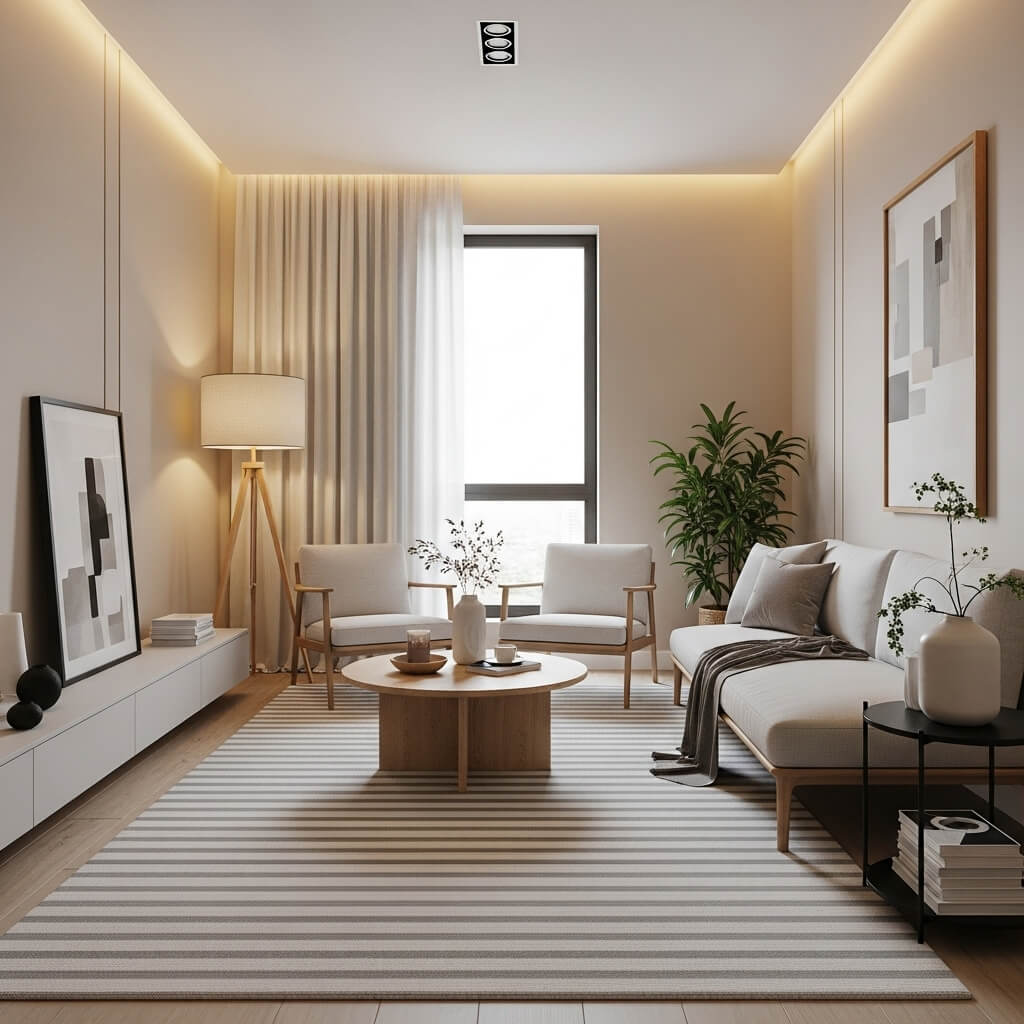
Lines direct the eye. Horizontal lines make things feel wider, vertical lines make things feel taller. It’s basic visual psychology you can use to your advantage. But we have to be strategic—this isn’t about turning your room into a rugby shirt.
Incorporate stripes subtly and smartly:
- Through Your Rug: A striped rug is one of the easiest ways to do this. Lay it with the lines running the length of the room to elongate it.
- In Textiles: A throw pillow with a subtle stripe, or curtains with a vertical texture or pattern.
- In Wall Details: Shiplap or board-and-batten installed vertically on one wall can add fantastic height.
The key is subtlety. You’re whispering a direction to the eye, not screaming it. A little guidance goes a long way in shaping perception.
10. Declutter Like Your Sanity Depends on It (It Does)
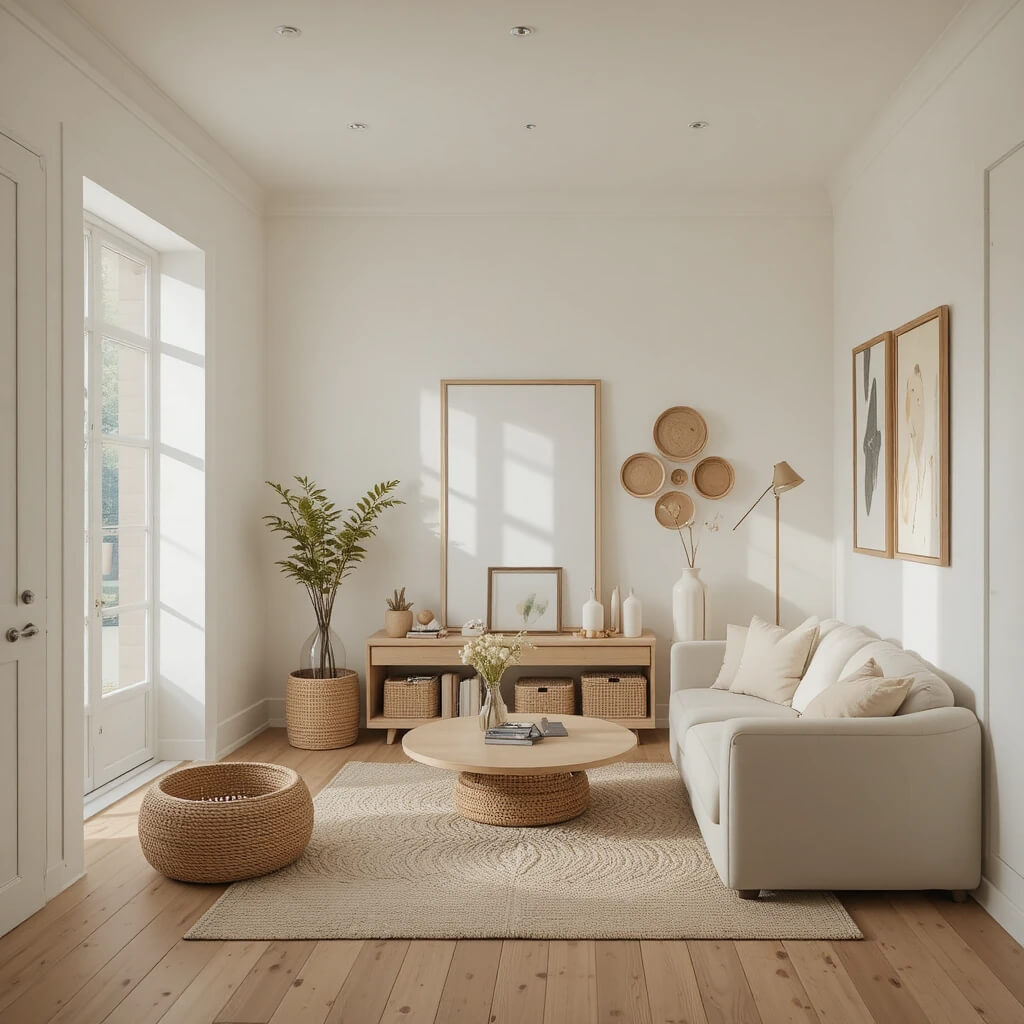
I can suggest all the visual tricks in the world, but if every surface is covered in mail, remotes, toys, and random tchotchkes, the room will feel tiny and stressful. Physical clutter creates visual noise, and that noise makes walls feel closer.
Adopt a minimalist mindset:
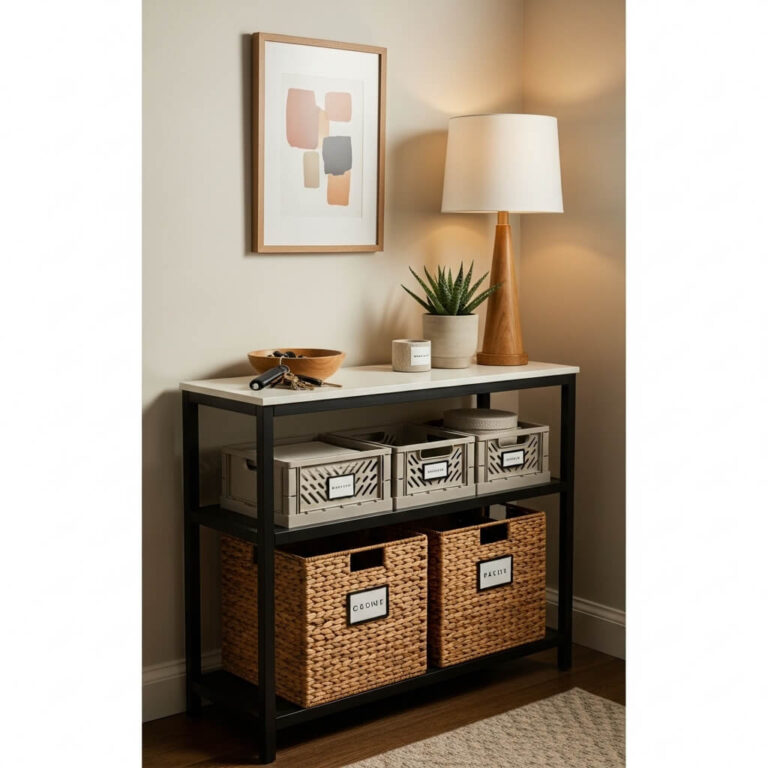
- Everything Needs a Home: If you can’t find a dedicated storage spot for it, you might not need it. Baskets, bins, and closed cabinets are your best friends.
- Edit Ruthlessly: Be honest. Do you love it? Do you use it? If not, thank it and let it go. A clear surface is a gift.
- Embrace Negative Space: It’s not empty; it’s restful. Allow your walls, shelves, and surfaces to breathe.
A clean, edited room instantly feels larger and calmer. It’s the most cost-effective “renovation” you can do. I do a purge every season and it’s legitimately therapeutic.
11. Embrace Reflective and High-Gloss Finishes
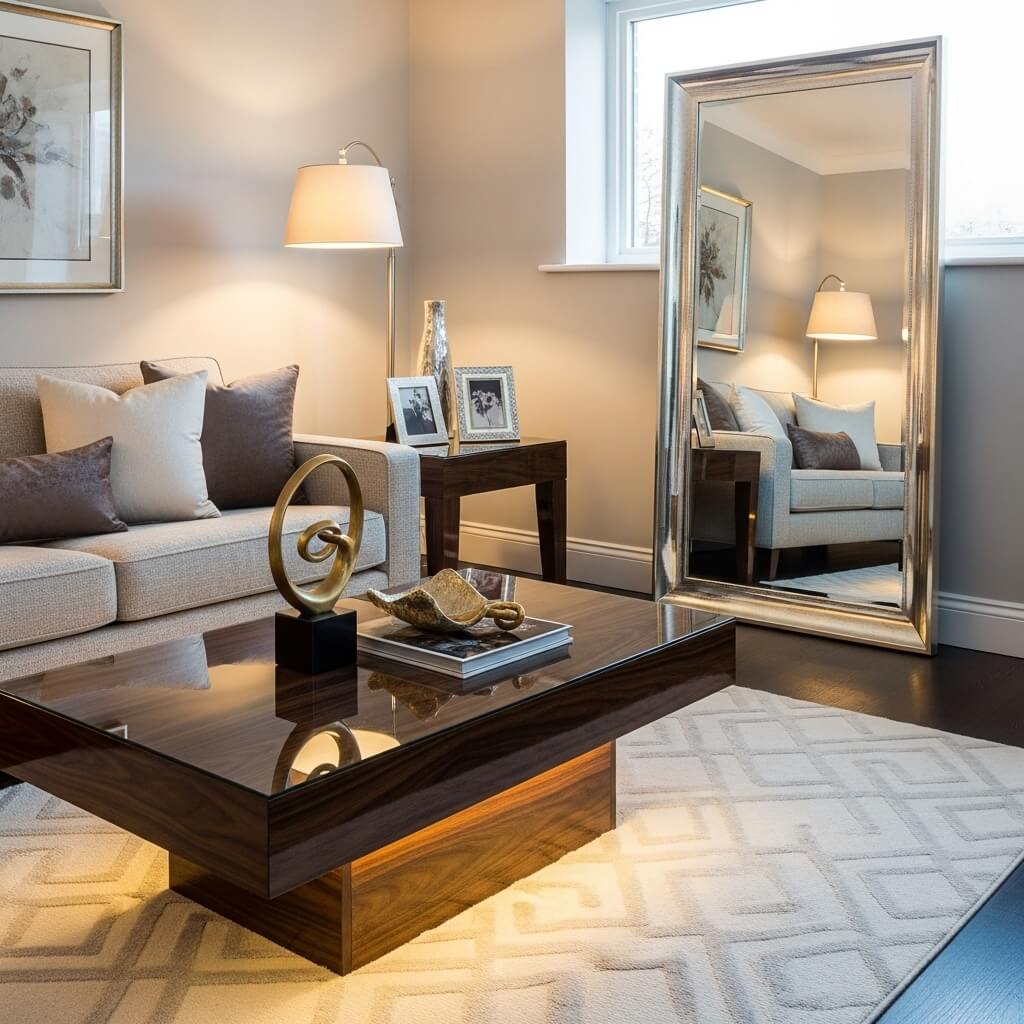
We talked about mirrors, but let’s expand the concept. Any surface that reflects light will help bounce it around the room, adding sparkle and depth. It’s like adding more light sources without the wiring.
Where to add a little shine:
- A High-Gloss Coffee Table or Side Table: The reflective surface acts like a still pool of water, amplifying light.
- Metallic Accents: Gold, brass, or chrome in lamp bases, picture frames, and decor pieces catch and throw light.
- Lacquer Furniture: A lacquered console or cabinet has a deep, reflective quality that feels luxurious and spacious.
Just use these elements as accents. A little gloss goes a long way. You’re aiming for a twinkle, not a disco ball effect.
12. Opt for Floating Shelves
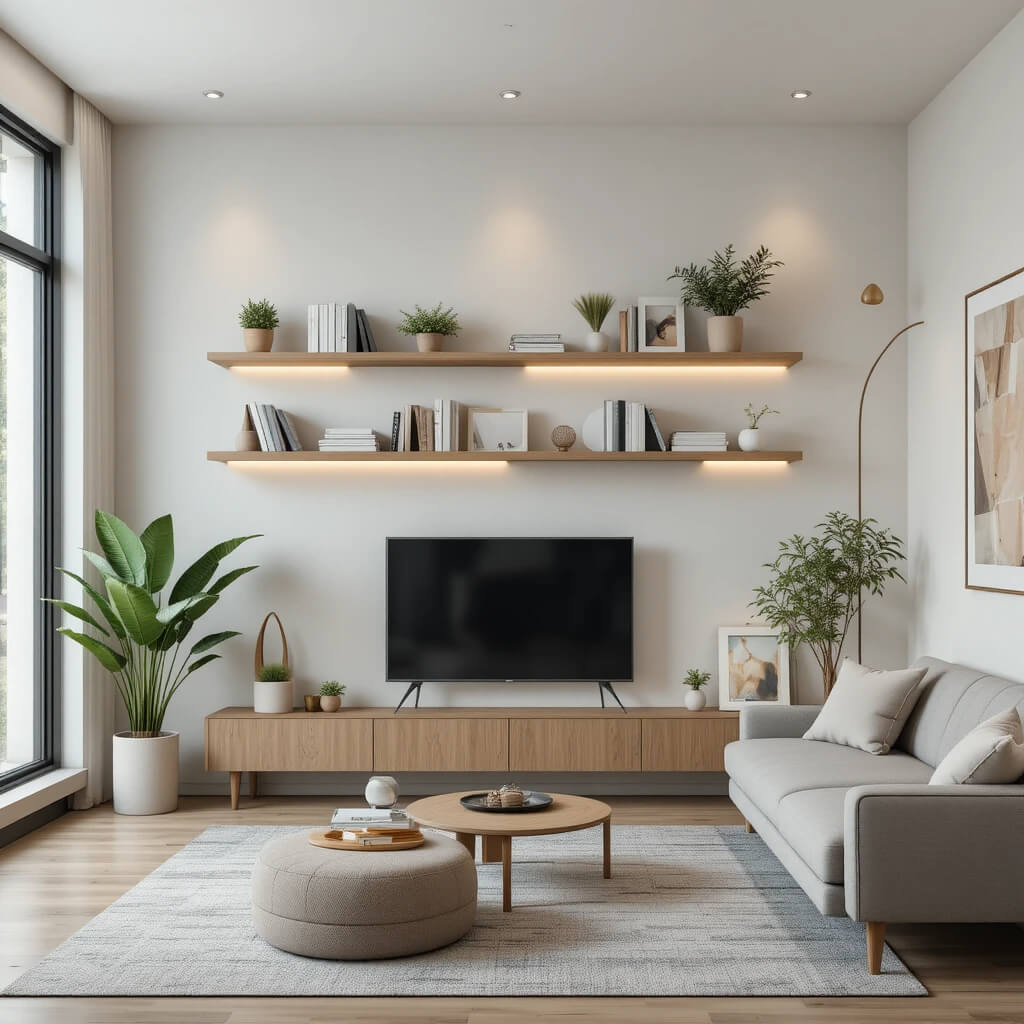
Floating shelves are the leggy supermodels of the storage world. They provide function without the visual bulk of a traditional bookcase or cabinet that sits on the floor. Because they’re mounted directly to the wall, they keep the floor space completely clear, which is the holy grail for small rooms.
Why they’re a small-space winner:
- They Preserve Floor Space: This can’t be overstated. Every inch of visible floor makes a room feel bigger.
- They Customize to Your Needs: You can install a single shelf or a whole grid, exactly where you need them.
- They Force You to Edit: You have to style them intentionally, which prevents clutter accumulation.
Use them for books, a few decorative objects, or even as a slim media console. They’re sleek, modern, and incredibly space-efficient.
13. Use a Large-Scale Rug (Yes, Really)
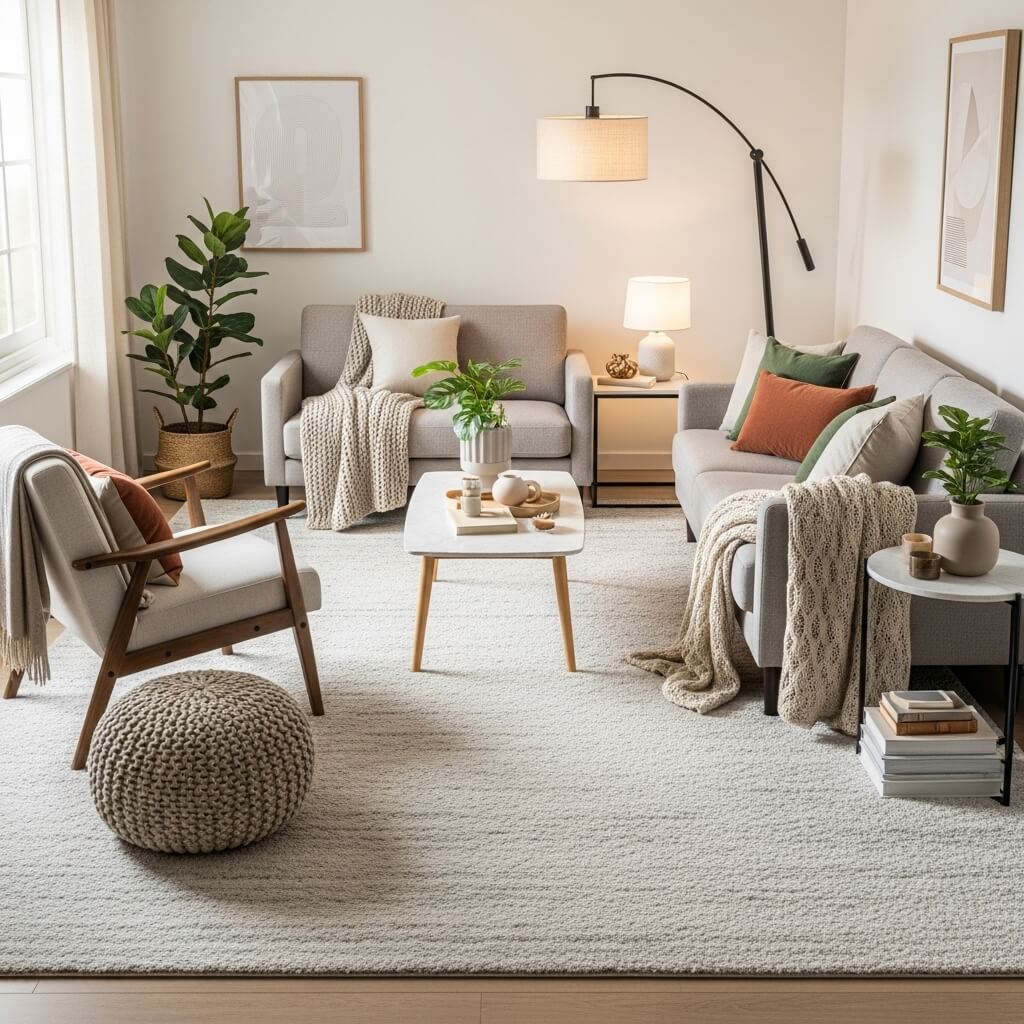
This one feels counterintuitive. “My room is small, so I need a small rug,” right? Wrong. A tiny rug floating in the middle of the room like a lonely island just emphasizes the smallness. A large rug that fits under all the key furniture pieces unifies the space and makes it feel expansive.
The rug rule of thumb:
- Go Big: Choose a rug that’s large enough for at least the front legs of all your seating to sit on it. This anchors the furniture group together.
- Mind the Border: Leave a consistent margin of floor visible around the edges—about 6-12 inches is perfect.
- Light Colors Work Best: A light-colored rug reflects more light and acts as a unifying, solid base.
It’s a boundary trick. The rug defines the “zone,” and because it’s generous, that zone feels grand and intentional.
14. Install Smart, Built-In Storage
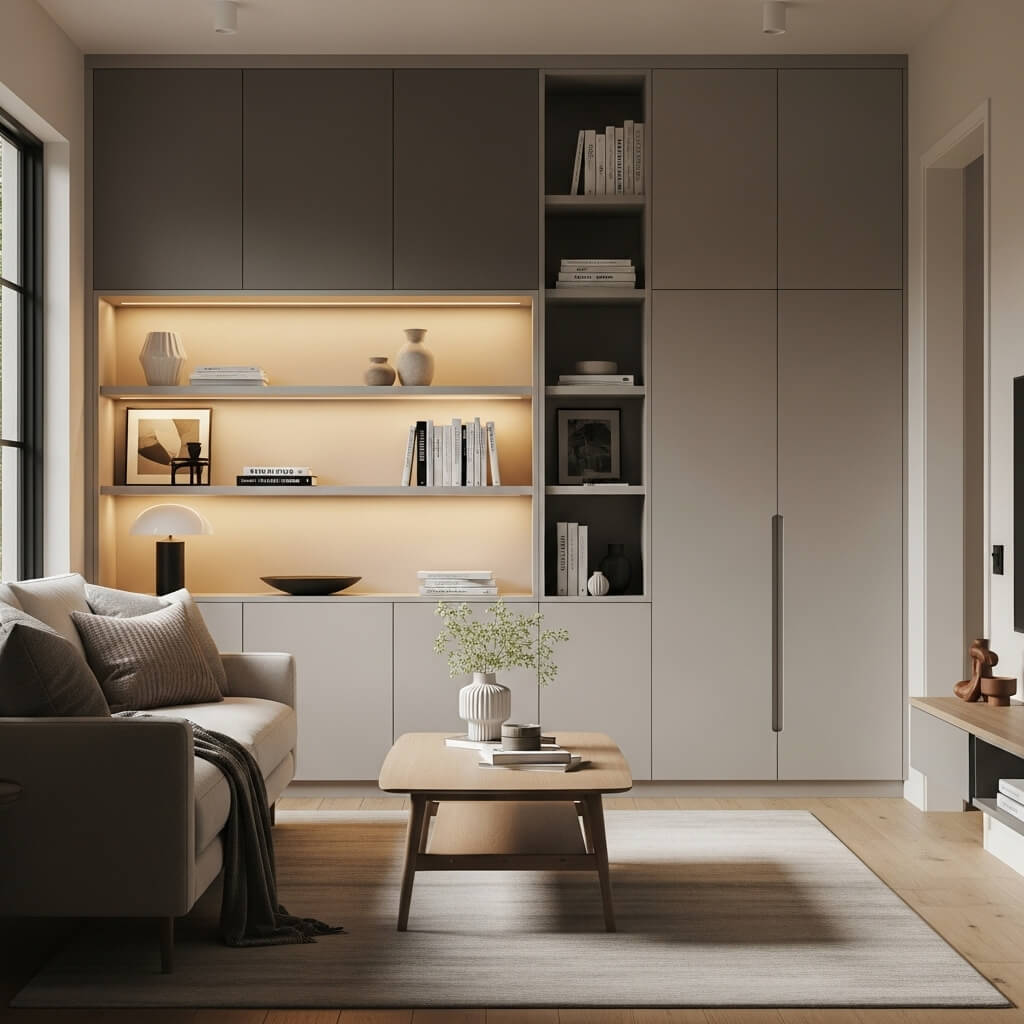
When storage is custom-fitted to your exact dimensions, it eliminates awkward gaps and wasted space. Built-ins look polished and intentional, unlike a bulky bookcase that screams “I just needed somewhere to put this.”
Why built-ins are worth the investment:
- They Maximize Every Inch: They can be designed to fit into nooks, span entire walls, or frame a window perfectly.
- They Reduce Visual Chaos: Closed cabinets hide the messy reality of life, presenting a clean, calm facade.
- They Add Architectural Interest: Well-designed built-ins look like they belong, elevating the whole room.
Even DIY-friendly options like Ikea hacks fitted with custom trim can give you this bespoke, space-maximizing look. It’s about creating storage that works with your room, not against it.
15. Choose Furniture with Exposed Legs
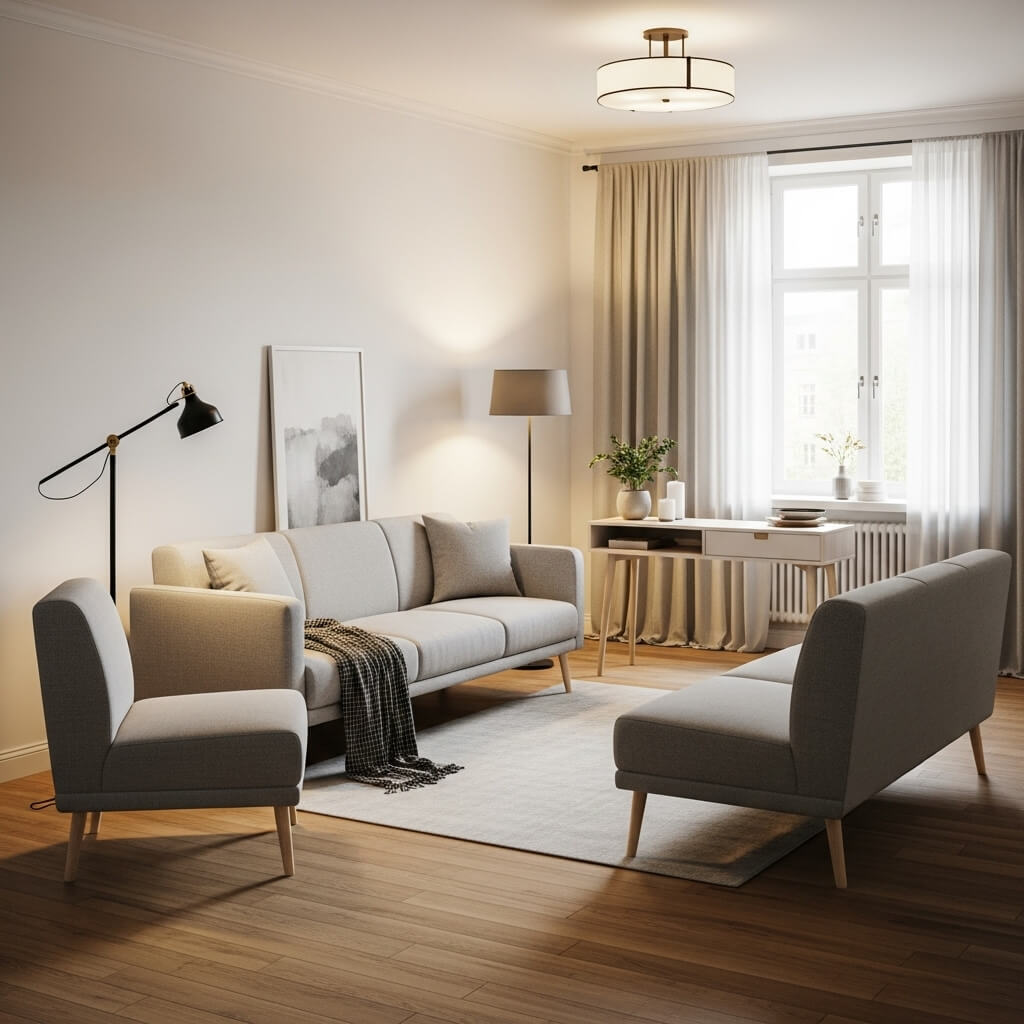
I mentioned this briefly, but it deserves its own spot. Furniture that sits directly on the floor feels heavy and stagnant. Furniture perched on slender legs creates a sense of airiness and movement. You can see the floor sweep continuously underneath, which is a powerful visual cue for spaciousness.
Apply this rule universally:
- Your Sofa: A mid-century modern style with tapered wooden legs is perfect.
- Armchairs: Look for styles with visible legs, not fully upholstered bases.
- Media Consoles & Sideboards: Avoid the solid box look. Choose pieces that stand on legs or have a recessed base.
This simple swap makes your furniture look lighter, both physically and visually. It’s an easy update with a huge payoff.
16. Harness the Illusion of Height with Paint
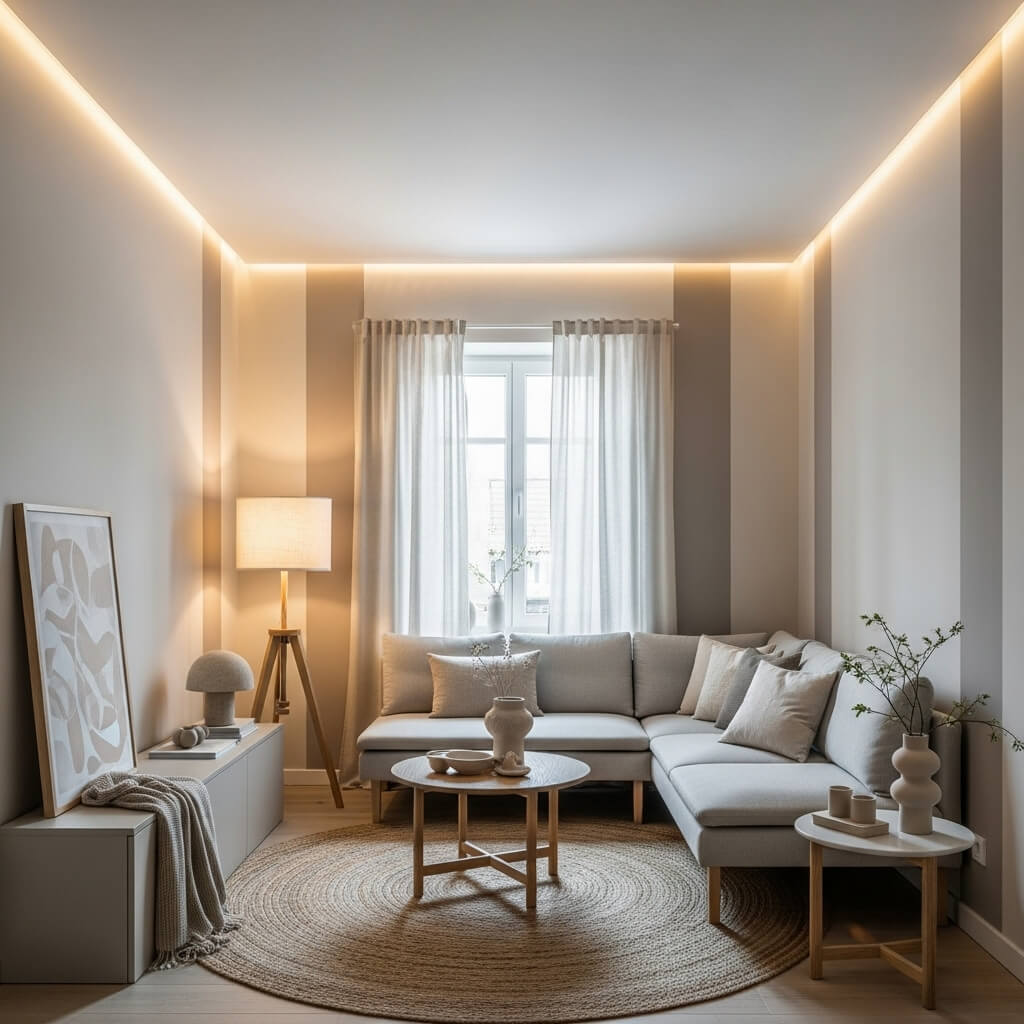
Paint is the most transformative, cost-effective tool you have. Beyond just color, you can use it to manipulate perception. One classic trick is painting the ceiling. But not just white!
Creative painting techniques to try:
- Ceiling the Same as Walls: Painting the ceiling the same color as the walls (even a light one) blurs the line where the wall stops. The ceiling appears to recede, creating a sense of volume.
- Vertical Stripes: Painting very subtle, tonal vertical stripes on one accent wall can draw the eye up.
- A Statement Ceiling: If you’re brave, a slightly darker, but still light, color on the ceiling (like a pale gray-blue) can make it feel lower and cozier in a good way, making the walls feel taller by contrast.
Don’t be afraid to look up. Your fifth wall is a secret weapon in the fight for a spacious feel.
17. Implement a “Clear Pathways” Rule
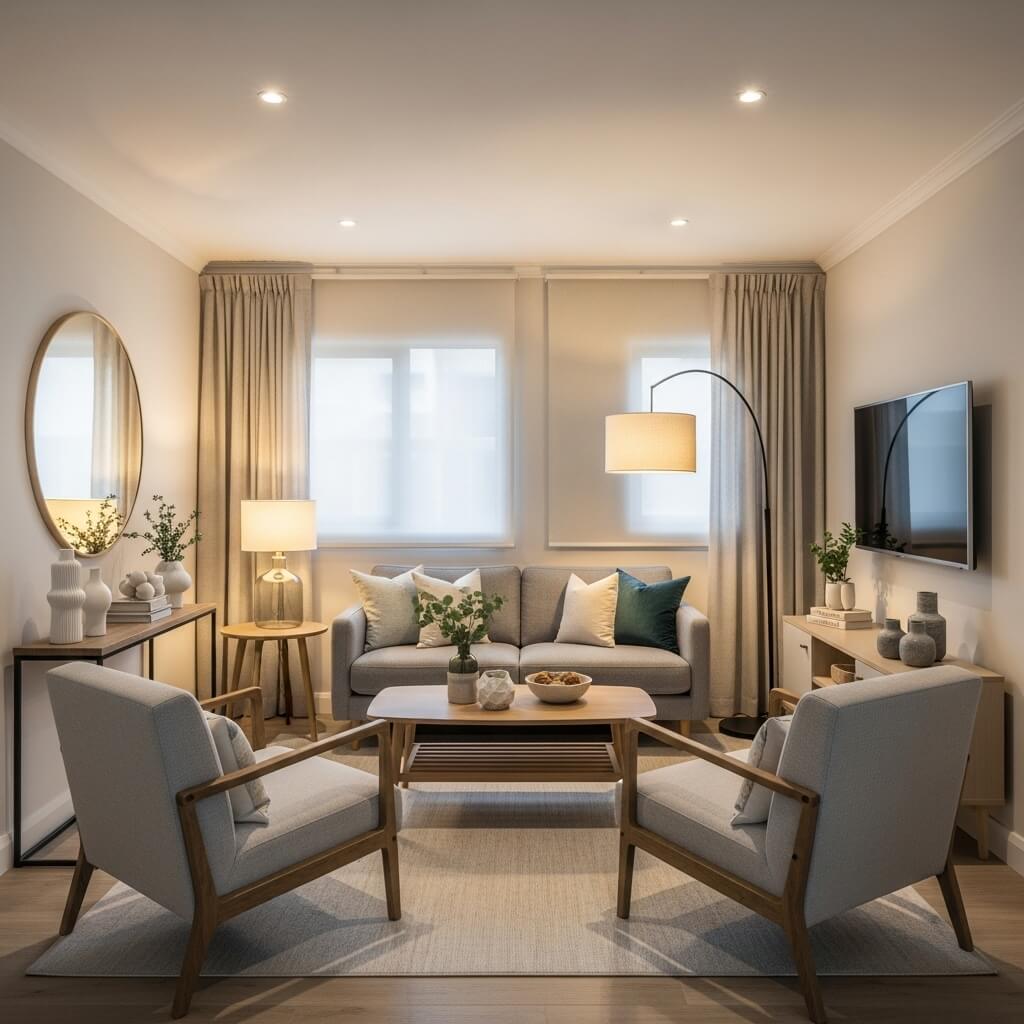
This is about flow. If you have to shimmy sideways between the coffee table and the sofa, your room feels cramped no matter what you do. Clear, unobstructed pathways are non-negotiable for a feeling of ease and openness.
How to engineer good flow:
- Map the Traffic: Identify the natural routes people take to enter the room, go to a window, or pass through to another area.
- Prioritize Walkways: These paths should be at least 18-24 inches wide. Furniture should be arranged around them, not blocking them.
- Float Your Furniture: Don’t push all your furniture against the walls. “Floating” a sofa in the middle of the room with space behind it can actually make the room feel larger.
A room that’s easy to move through psychologically feels bigger. It’s about freedom of movement.
18. Incorporate Transparent Elements Beyond Furniture
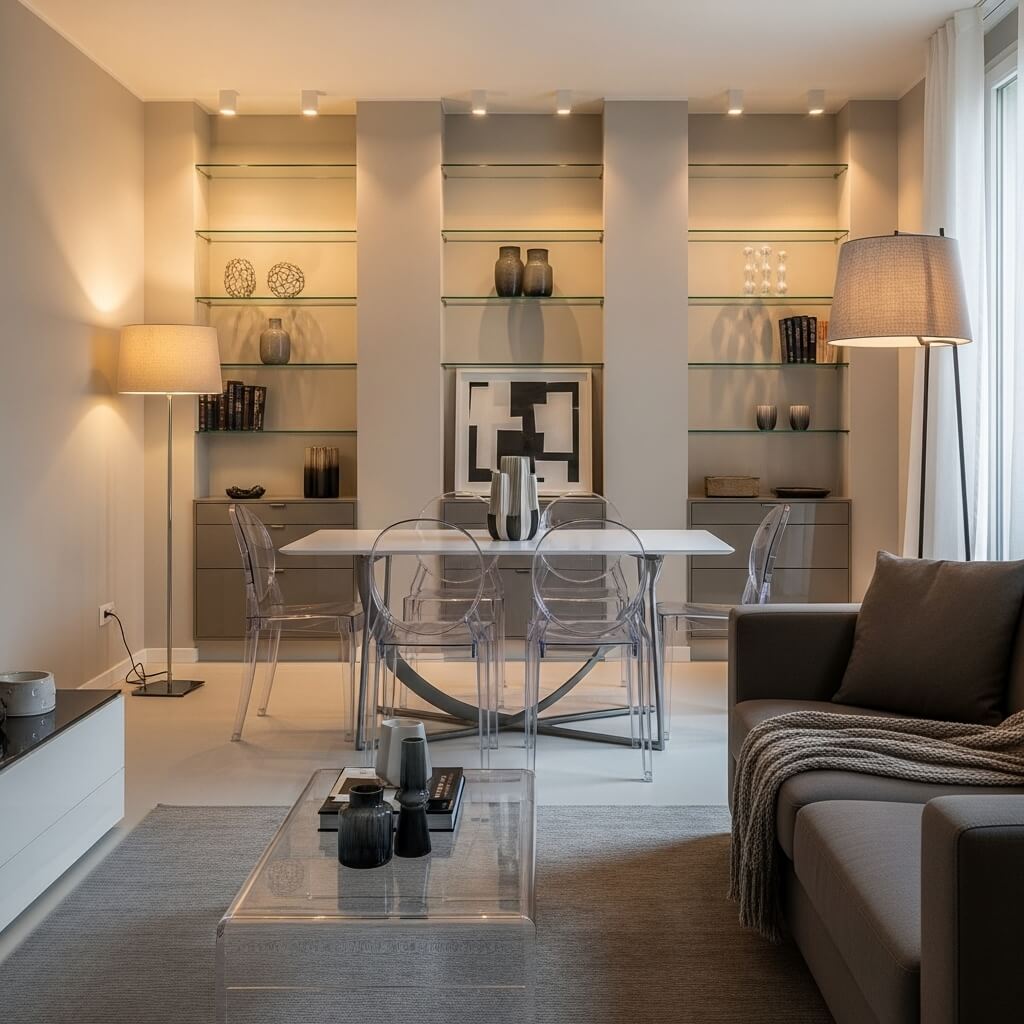
We touched on acrylic furniture, but let’s think bigger. Any element that maintains sightlines contributes to a feeling of openness. It’s about removing visual barriers wherever possible.
Ideas for transparent touches:
- Glass Room Dividers: If you need to separate a living area from a dining nook, a clear glass panel provides definition without blocking light or view.
- Acrylic Chair Backs: Dining chairs or occasional chairs with clear backs seem to disappear when not in use.
- Open-Plan Shelving: Instead of solid cabinet doors, consider open shelving or units with glass doors. They provide storage without visual weight.
The theme is “see-through.” The more your gaze can travel unimpeded, the larger the space will feel. It’s that simple.
19. Use Large-Scale Art and Mirrors
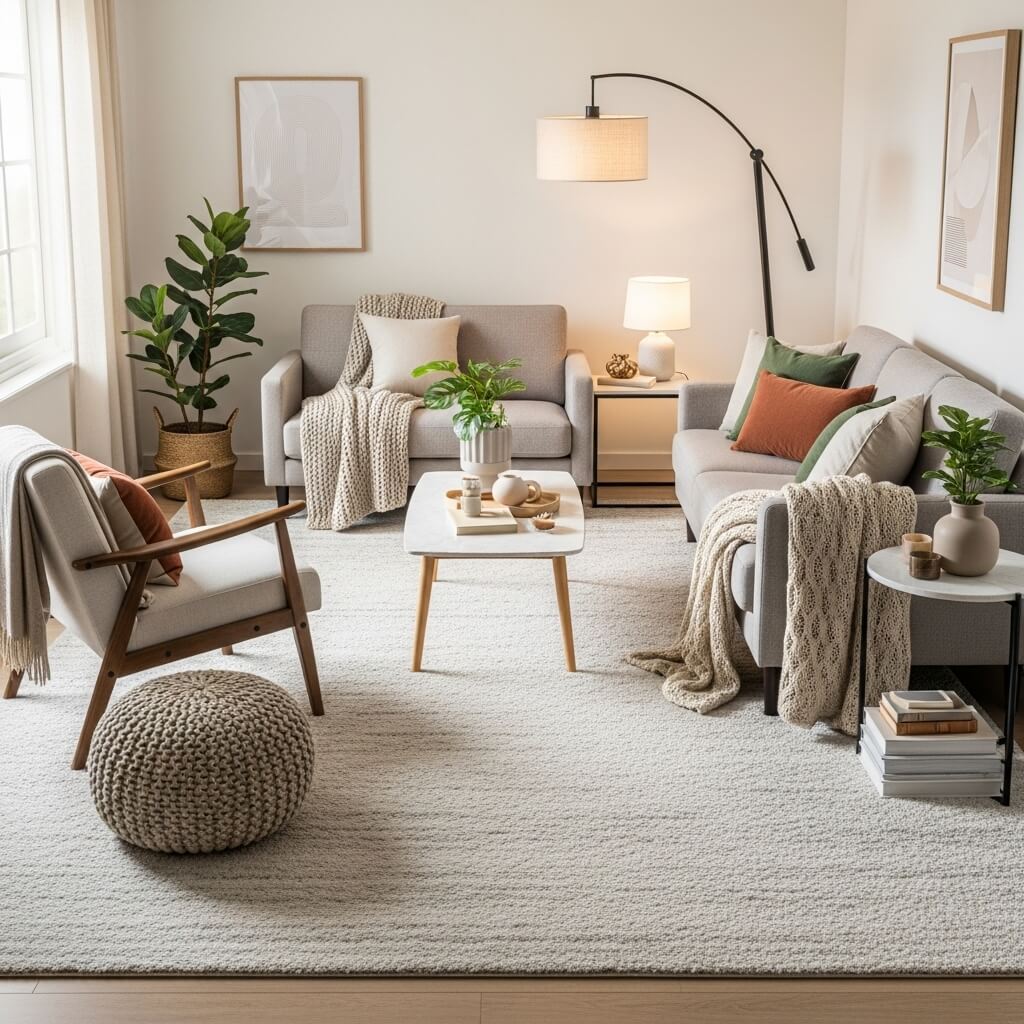
Small art creates visual clutter. A gallery wall of 20 small frames makes a wall feel busy and bitty. One large, commanding piece of art or an oversized mirror creates a clean, dramatic statement that gives the eye a single, large point to rest on. This creates a feeling of grandeur.
Why go big with your wall decor:
- It Creates a Clean Statement: One piece is easier for the brain to process than many, reducing visual stress.
- It Acts as a Window: A large landscape painting or photograph can give the illusion of a view, extending the space imaginatively.
- It Balances Furniture: A large piece of art above a sofa balances its scale perfectly, making the whole wall feel composed.
Don’t be scared of a big canvas. In a small room, it’s a confident move that pays off in spades.
20. Keep Window Treatments Simple and Streamlined
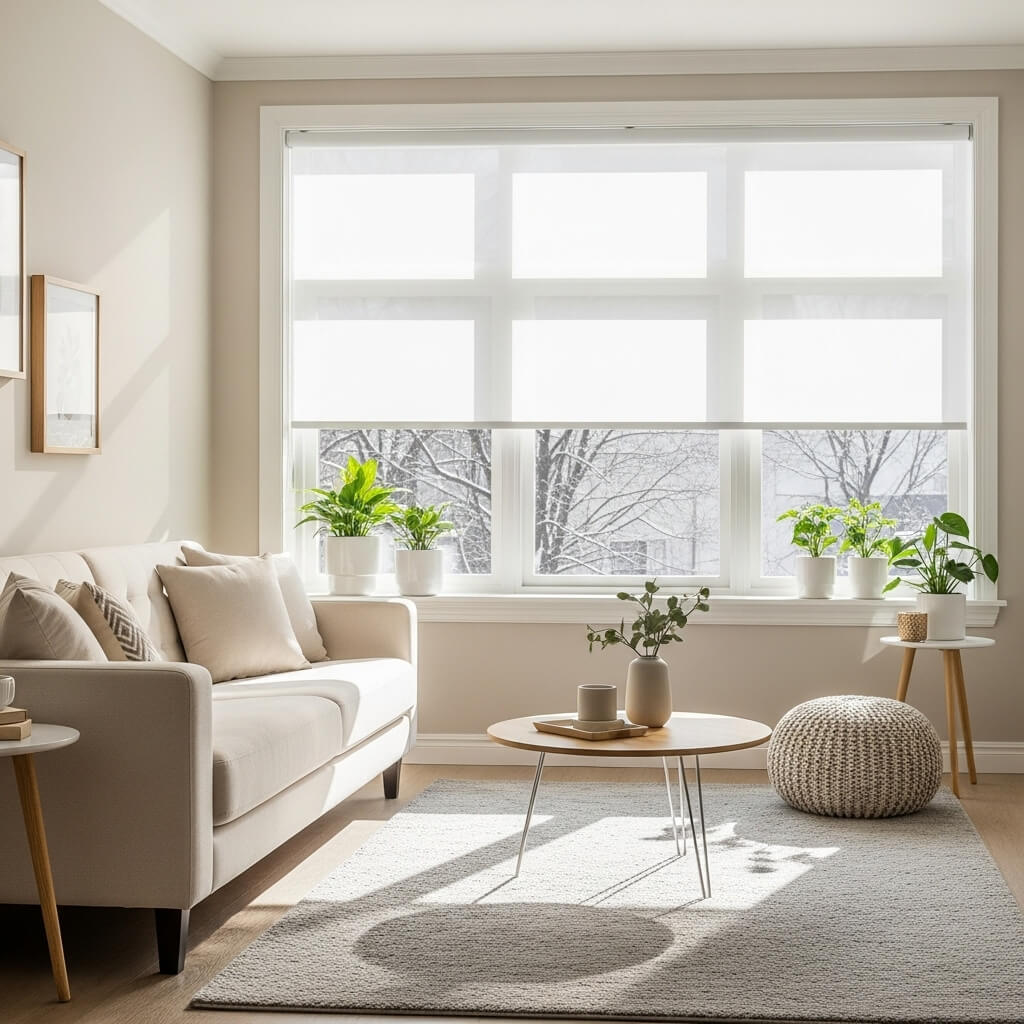
Last but not least, your windows are your connection to the outside world. Dressing them with heavy, complicated drapes in dark fabrics just cuts that connection off and eats into your room. We want to frame the view, not block it.
The formula for light-loving windows:
- Sheer Genius: Light-filtering roller shades or sheer curtains provide privacy while flooding the room with beautiful, soft light all day.
- High and Wide Rods: As mentioned, mount rods close to the ceiling and extend them beyond the window frame on each side. When open, your curtains will reveal the entire window.
- Light Colors: Stick with whites, creams, or very pale neutrals for your fabrics. They’ll almost disappear against the light.
Your windows are your best source of free space-enlarging magic: natural light. Don’t hobble them with bad drapes.
Whew! That was a lot, but I promise, you don’t need to do all 20. Pick the five that resonate most with your style and your specific room. Start with paint and lighting—they’re the biggest levers. Then maybe tackle a furniture swap or a major declutter.
The core philosophy here is to be intentional. Choose pieces that serve a purpose, use color and light strategically, and always, always prioritize the feeling of openness. Your small living room isn’t a limitation; it’s an opportunity to create a space that’s incredibly efficient, wonderfully cozy, and cleverly designed to feel bigger than it is.
Now, go stand in your living room and look at it with fresh eyes. What’s the one thing you could change this weekend to make it breathe a little easier? IMO, that’s the best place to start. Happy decorating