21 Small Bedroom Ideas That Maximize Space Without Sacrificing Style

Small bedroom ideas can completely transform a room that feels cramped, cluttered, or difficult to decorate. The trick isn’t squeezing more furniture into every available corner. It’s about making smarter choices so your bedroom feels open, organized, comfortable, and genuinely stylish.
A small bedroom may not give you endless square footage, but that doesn’t mean you have to compromise on personality. With the right layout, clever storage, space-saving furniture, thoughtful colors, and a few designer-approved tricks, even the tiniest bedroom can feel surprisingly spacious.
Whether you’re decorating a compact apartment bedroom, a small guest room, a child’s bedroom, or simply trying to make the most of an awkward layout, these 21 small bedroom ideas will help you create a room that works harder without looking like a storage closet with a bed in it.
1. Choose a Bed With Built-In Storage

One of the smartest small bedroom ideas is to make your bed work double duty.
In a compact bedroom, the space underneath your bed is far too valuable to waste. Instead of allowing it to become a black hole for random belongings, choose a bed with built-in drawers or lift-up storage.
You can use the extra space for:
- Spare bedding and blankets
- Seasonal clothing
- Shoes
- Handbags
- Towels
- Luggage
- Extra pillows
A storage bed is particularly useful when your bedroom doesn’t have a large closet. It allows you to keep everyday essentials nearby without adding another bulky piece of furniture.
For a polished look, choose a streamlined bed frame with clean lines. Avoid overly decorative designs that visually dominate the room. In a small space, simplicity usually creates a more spacious appearance.
2. Use the Walls for Vertical Storage

When floor space is limited, look up.
Vertical storage is one of the most effective small bedroom ideas because it takes advantage of space that often goes unused. Instead of spreading storage across the floor, move it upward.
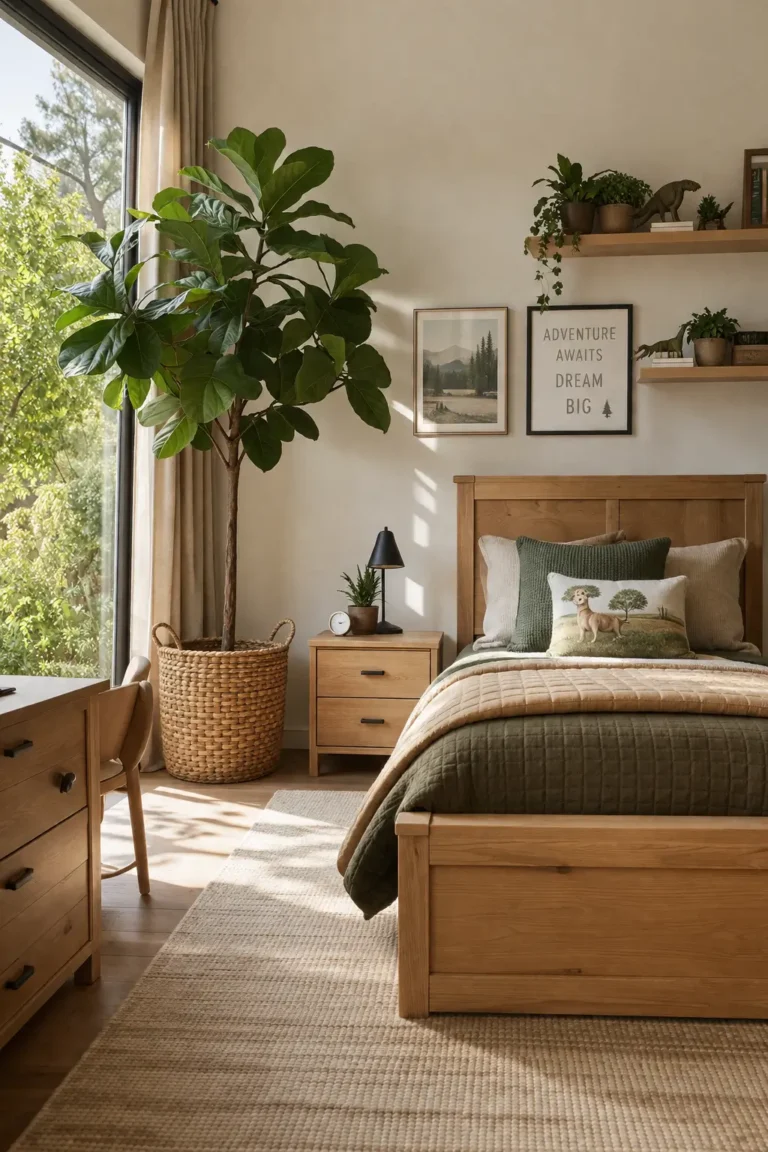
Install floating shelves above a desk, beside the bed, or over a dresser. You can use them to display books, framed artwork, small plants, candles, and decorative objects while keeping your floor clear.
Tall bookcases are another excellent option. A narrow, floor-to-ceiling bookshelf provides plenty of storage without taking up much floor space.
The key is to avoid filling every shelf. Leave some breathing room between objects so the room doesn’t feel visually cluttered.
3. Install Floating Nightstands

Traditional bedside tables can consume surprisingly valuable floor space. If your bedroom is tight, consider replacing them with floating nightstands.
A wall-mounted shelf or slim floating drawer can provide enough room for a lamp, phone, book, and a glass of water without making the room feel crowded.
This small change can also make cleaning easier because the floor underneath remains accessible.
For a modern look, choose a floating nightstand in warm wood. For a minimalist bedroom, try a simple white or neutral design that blends into the wall.
You don’t necessarily need matching nightstands, either. If one side of the bed is against a wall, use a single floating nightstand on the open side and install a wall-mounted reading light on the other.
4. Make the Most of the Space Under the Bed

Even if you don’t have a storage bed, you can still turn the area underneath into useful storage.
Flat rolling containers, fabric storage boxes, and lidded baskets can slide underneath the bed and keep rarely used belongings organized.
Choose containers that are easy to pull out. There’s little point in creating storage so inconvenient that you avoid using it.
For a cleaner appearance, use matching storage boxes or baskets. This prevents the area from looking chaotic if the containers are visible.
This is one of those small bedroom ideas that costs very little but can make a noticeable difference in how much storage you have.
5. Pick a Light and Airy Color Palette

Color has a major impact on how spacious a small bedroom feels.
Light shades such as warm white, soft beige, pale greige, muted sage, and gentle blue can help reflect natural light and create an airy atmosphere.
That doesn’t mean your bedroom has to be completely white. In fact, an all-white room can sometimes feel flat or cold.
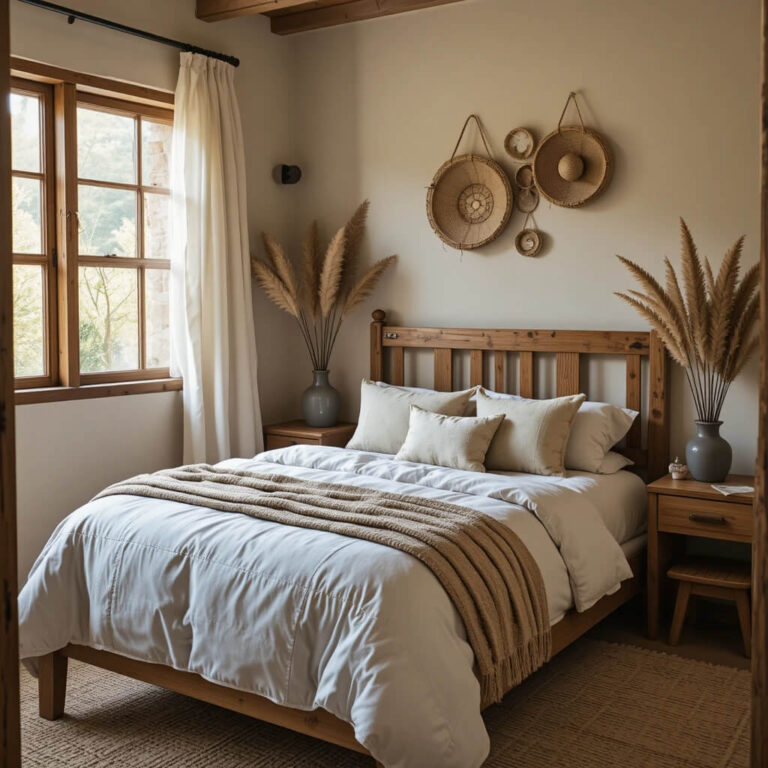
Instead, layer several complementary tones. Try warm ivory walls with beige bedding, light wood furniture, and soft taupe curtains. The result feels cohesive without becoming visually overwhelming.
If you love darker colors, don’t be afraid to use them. A deep green, navy, or charcoal accent wall can create a cozy, sophisticated atmosphere. The key is balancing darker shades with good lighting and lighter textiles.
6. Use Mirrors to Create the Illusion of Space

Mirrors are a classic interior design trick for a reason.
A strategically placed mirror can reflect light and make a small bedroom feel larger and brighter. Consider positioning a large mirror opposite a window so it reflects natural light throughout the room.
You can also use mirrored wardrobe doors if you need additional storage. This combines two functions in one feature, which is ideal for compact bedrooms.
If a full-length mirror won’t fit, try a collection of smaller decorative mirrors arranged together on one wall.
For a more sophisticated look, choose a mirror with a simple frame that complements the rest of your bedroom decor.
7. Choose Furniture With a Small Footprint

In a small bedroom, every inch matters.
Instead of choosing furniture based solely on appearance, consider its proportions. A narrow dresser may be more practical than a wide, bulky one. A slim bedside table may provide everything you need without crowding the bed.
Look for furniture that offers maximum function without excessive visual weight.
Some excellent choices include:
- Narrow dressers
- Slim wardrobes
- Compact desks
- Small bedside tables
- Wall-mounted shelves
- Foldable furniture
- Storage ottomans
Before buying anything, measure your room carefully. Then measure again. A piece of furniture that looks “small” online can suddenly look enormous when it arrives in your bedroom.
8. Create a Wall-Mounted Workspace

If your bedroom needs to double as a home office, a traditional desk can take up too much space.
Instead, consider creating a compact wall-mounted workspace.
A floating desk can provide enough room for a laptop and notebook while keeping the floor underneath clear. Pair it with a slim chair that can be pushed completely underneath when you’re finished working.
You can also install shelves above the desk for office supplies and decor.
Choose a workspace that blends with your bedroom rather than looking like a separate office. A wooden floating desk paired with a comfortable upholstered chair can feel intentional and stylish.
9. Take Advantage of the Space Behind the Door

The back of your bedroom door is often forgotten real estate.
An over-the-door organizer can provide useful storage for shoes, accessories, scarves, handbags, or small personal items.
You can also install hooks on the door for robes, hats, or frequently worn clothing.
For a cleaner appearance, choose an organizer that matches your bedroom’s color scheme. If you’re using hooks, install only the number you actually need. Too many hooks can quickly become an invitation to create a mountain of clothing.
This simple trick is especially useful in bedrooms with tiny closets.
10. Use a Large Rug Strategically

A common mistake in small bedrooms is choosing a rug that is too small.
While it may seem logical to use a tiny rug to save space, a small rug can actually make the room feel disconnected and visually chopped up.
Instead, consider placing a larger rug partially underneath the bed. This creates a cohesive foundation and adds warmth without requiring additional furniture.
If your budget doesn’t allow for a large rug, place two smaller runners along either side of the bed. This can achieve a similar effect while using less material.
Choose a simple pattern or subtle texture if the rest of the room already has plenty of visual interest.
11. Install Wall-Mounted Lighting

Table lamps are lovely, but they require bedside surfaces.
In a compact bedroom, wall-mounted sconces can free up valuable nightstand space while providing excellent task lighting.
Place sconces on either side of the bed for a balanced look. Adjustable swing-arm designs are especially practical because you can direct the light exactly where you need it.
Pendant lights are another stylish alternative. Hanging pendants beside the bed can create a boutique-hotel feel while keeping the bedside tables completely clear.
This is one of the small bedroom ideas that can make a room feel instantly more custom-designed.
12. Use Curtains to Make the Ceiling Look Taller

Want your small bedroom to feel taller? Look at your window treatments.
Instead of hanging curtain rods directly above the window frame, install them closer to the ceiling. Let the curtains fall all the way to the floor.
This draws the eye upward and emphasizes the vertical height of the room.
Choose lightweight curtains in a soft neutral color to maintain an airy appearance. If you love patterns, select a subtle vertical design that reinforces the sense of height.
Avoid overly heavy curtains that block natural light unless you specifically need blackout coverage.
13. Choose a Storage Headboard

A headboard can be more than a decorative backdrop.
In a small bedroom, a storage headboard can provide valuable space for books, lighting, and personal belongings.
Look for designs with built-in shelves or narrow compartments. This can eliminate the need for additional bedside furniture altogether.
If you prefer a softer look, choose an upholstered headboard with integrated shelving. For modern bedrooms, a wooden headboard with simple open compartments can add warmth and architectural interest.
Just remember not to overcrowd the storage. A few carefully chosen items will look far more stylish than an overflowing collection of belongings.
14. Keep the Floor as Clear as Possible

One of the easiest ways to make a small bedroom feel bigger is to keep the floor visible.
This doesn’t mean your room needs to be completely minimalist. It simply means you should be intentional about what sits on the floor.
Whenever possible, choose:
- Floating nightstands instead of bulky tables
- Wall-mounted shelves instead of floor-standing units
- Tall, narrow storage instead of wide cabinets
- Furniture with visible legs instead of solid bases
Seeing more of the floor creates a sense of openness.
It also makes cleaning much easier, which is a wonderful bonus when you don’t enjoy moving furniture around every time you vacuum.
15. Create a Cohesive Monochromatic Bedroom

A monochromatic color scheme can work beautifully in a small bedroom.
Choose one main color and layer different shades and textures throughout the room. For example, you could combine cream walls, ivory bedding, beige curtains, and warm tan accessories.
The result is visually calm because there are fewer abrupt color changes competing for attention.
Texture becomes especially important in a monochromatic room. Add interest through linen bedding, boucle upholstery, woven baskets, textured throws, and natural wood.
This approach allows the bedroom to feel rich and layered without appearing busy.
16. Use a Fold-Down Desk or Table

If you need a workspace but rarely use it, a fold-down desk could be the perfect solution.
These clever designs attach to the wall and fold away when they’re not needed.
When closed, the desk takes up almost no floor space. When you need to work, simply open it and create an instant workstation.
This idea works particularly well in studio apartments, guest bedrooms, and multipurpose rooms.
You can also use a fold-down table as a vanity or crafting station. Choose a design with built-in storage compartments to make the furniture even more functional.
17. Make Your Closet Work Harder

A small bedroom often comes with a small closet, but that doesn’t mean you have to accept inefficient storage.
Start by maximizing the interior of the closet.
Add:
- Slim matching hangers
- Shelf dividers
- Hanging organizers
- Small baskets
- Drawer units
- Hooks
- Shoe racks
Consider using the full height of the closet. If there’s unused space above the hanging clothes, add a shelf for seasonal items or luggage.
You can also organize clothing by category and frequency of use. Keep the items you wear most often at eye level and move rarely used belongings to higher shelves.
An organized closet can make your entire bedroom feel less cluttered.
18. Create a Statement Wall Instead of Overdecorating

Small rooms don’t need dozens of decorations to feel interesting.
Instead of covering every wall with artwork, create one statement wall.
You might use:
- Removable wallpaper
- A textured paint finish
- A gallery wall
- Oversized artwork
- Decorative molding
- A bold headboard
The goal is to create a focal point that gives the room personality without overwhelming it.
One large piece of artwork can often make a stronger impact than ten small frames scattered throughout the room.
This is particularly effective if you’re working with a limited color palette.
19. Choose Furniture That Serves Multiple Purposes

Multifunctional furniture is practically a superpower in a small bedroom.
Look for pieces that perform more than one job.
A storage ottoman can act as seating, a footrest, and a place to hide blankets. A bench at the end of the bed can provide seating while storing shoes or extra bedding.
A dresser can double as a vanity if you add a mirror and suitable lighting. A narrow console can become a compact work area.
The more functions one piece of furniture provides, the fewer items you need in the room.
Just be careful not to turn every surface into storage. Multifunctional doesn’t mean “fill it with everything you own.”
20. Use the Corners Wisely

Awkward corners can become valuable when you approach them creatively.
A narrow corner beside a window could hold a reading chair. An unused corner near the wardrobe could accommodate a tall plant. A small triangular space might work perfectly for a floating corner shelf.
If your room has an awkward alcove, consider turning it into a custom storage zone.
Even a tiny corner can serve a purpose when you choose furniture that fits its dimensions.
Before filling the space, ask yourself what the room actually needs. If you already have enough storage, perhaps the corner would be better used as a decorative feature or quiet reading spot.
21. Embrace Minimalism Without Making the Room Boring

The final—and perhaps most important—of these small bedroom ideas is to embrace intentional simplicity.
A small bedroom doesn’t need to be completely minimalist. It simply needs to have enough breathing room for the furniture, colors, and decor to work together.
Start by removing anything you don’t use or love. Then organize what remains.
Keep surfaces relatively clear, choose a cohesive color palette, and allow a few meaningful decorative pieces to stand out.
A small bedroom with carefully chosen furniture and thoughtful styling can feel far more luxurious than a large bedroom packed with unnecessary belongings.
Remember, the goal isn’t to make your bedroom look empty. The goal is to make every item feel intentional.
How to Make a Small Bedroom Look Bigger
If you want to combine several of these small bedroom ideas into one cohesive design, start with the basics.
First, choose a layout that allows you to move comfortably around the bed. Avoid blocking windows or doorways with oversized furniture.
Next, focus on storage. The less clutter sitting out in the open, the larger the room will feel. Use under-bed storage, vertical shelving, closet organizers, and multifunctional furniture to keep belongings under control.
Then consider your color palette. Light and cohesive colors can help create an airy feeling, while strategically placed darker tones can add depth.
Finally, pay attention to lighting. Maximize natural light during the day and use several layers of artificial lighting at night. A combination of ceiling lighting, wall sconces, bedside lamps, and accent lighting can make the room feel warm and inviting.
The biggest secret is consistency. When your furniture, colors, textures, and accessories complement one another, your bedroom will feel more spacious and thoughtfully designed.
Common Small Bedroom Mistakes to Avoid
Even the best small bedroom ideas can fail if the layout is working against you.
One common mistake is buying furniture that is too large. That oversized dresser might look beautiful in a showroom, but it could make your bedroom feel cramped.
Another mistake is having too many small decorative objects. Ironically, lots of tiny accessories can create more visual clutter than one or two larger statement pieces.
It’s also important not to ignore storage. A beautiful bedroom quickly becomes stressful when clothes, shoes, and personal belongings have nowhere to go.
Poor lighting is another issue. A single overhead light can make a small bedroom feel flat and uninviting. Layer your lighting instead.
Finally, don’t push every piece of furniture against the wall simply because you think it will create more space. Sometimes a better layout involves creating clear zones and allowing furniture to breathe.
How to Style a Small Bedroom Without Making It Feel Crowded
Styling a small bedroom is all about editing.
Choose a few elements that add personality and let them do the talking. A beautiful piece of artwork, an interesting pendant light, a textured throw, or a statement headboard can create visual impact without requiring lots of accessories.
Use textiles to add warmth. Layer your bedding with a duvet, quilt, and one or two decorative pillows rather than covering the bed with an excessive number of cushions.
Add greenery carefully. One tall plant in an empty corner may have more impact than several small plants scattered across every surface.
For a designer-inspired look, repeat materials and colors throughout the room. If you have warm wood nightstands, introduce another wood element through a picture frame or shelf. If your bedding features sage green, repeat that shade in a small artwork or decorative object.
These subtle connections make the room feel intentional.
Final Thoughts on Small Bedroom Ideas
The best small bedroom ideas aren’t about making your room feel like a showroom. They’re about creating a space that works beautifully for your everyday life.
Whether you add hidden storage beneath the bed, install floating shelves, swap bulky furniture for streamlined pieces, or simply clear away unnecessary clutter, small changes can have a surprisingly big impact.
The most successful small bedrooms balance practicality with personality. They provide enough storage to keep everyday life organized while still leaving room for comfort, warmth, and personal style.
So don’t let limited square footage convince you that your bedroom can’t be beautiful. With thoughtful planning and a little creativity, even the smallest room can become a cozy, stylish, and highly functional place you’ll genuinely love coming home to.

21 Small Bedroom Ideas That Maximize Space Without Sacrificing Style
Make a small bedroom feel spacious, stylish, and beautifully organized with 21 small bedroom ideas that maximize space without sacrificing style. Discover clever small bedroom design ideas, space-saving furniture, smart bedroom storage, multifunctional furniture, floating nightstands, under-bed storage, mirrors, light colors, and stylish layouts for creating a cozy bedroom that feels larger and more functional. #SmallBedroom #SmallBedroomIdeas #BedroomStorage #SpaceSavingIdeas #BedroomDesign #SmallSpaceDecor #HomeDecor
Pin it on Pinterest