15 Small Garden Ideas That Make Outdoor Areas Look Bigger and Better
Having a small garden can sometimes feel limiting. You might dream of lush greenery, cozy seating, or a peaceful outdoor retreat—but when space is tight, it’s easy to think those ideas are out of reach. The good news? A small garden doesn’t have to look small at all.
With the right design choices, even the tiniest outdoor area can feel open, stylish, and surprisingly spacious. In fact, small gardens often have the advantage of being easier to manage, more affordable to design, and quicker to transform. It’s not about how much space you have—it’s about how smartly you use it.
From visual tricks that create the illusion of depth to clever layouts that maximize every inch, these small garden ideas are designed to help you get the most out of your outdoor area. Whether you’re working with a compact backyard, a narrow side garden, or a tiny patio, these ideas will help your garden look bigger, better, and far more inviting.
Let’s dive into 15 practical and inspiring ways to turn a small outdoor space into something truly special.
1. Use Vertical Planting to Draw the Eye Upward
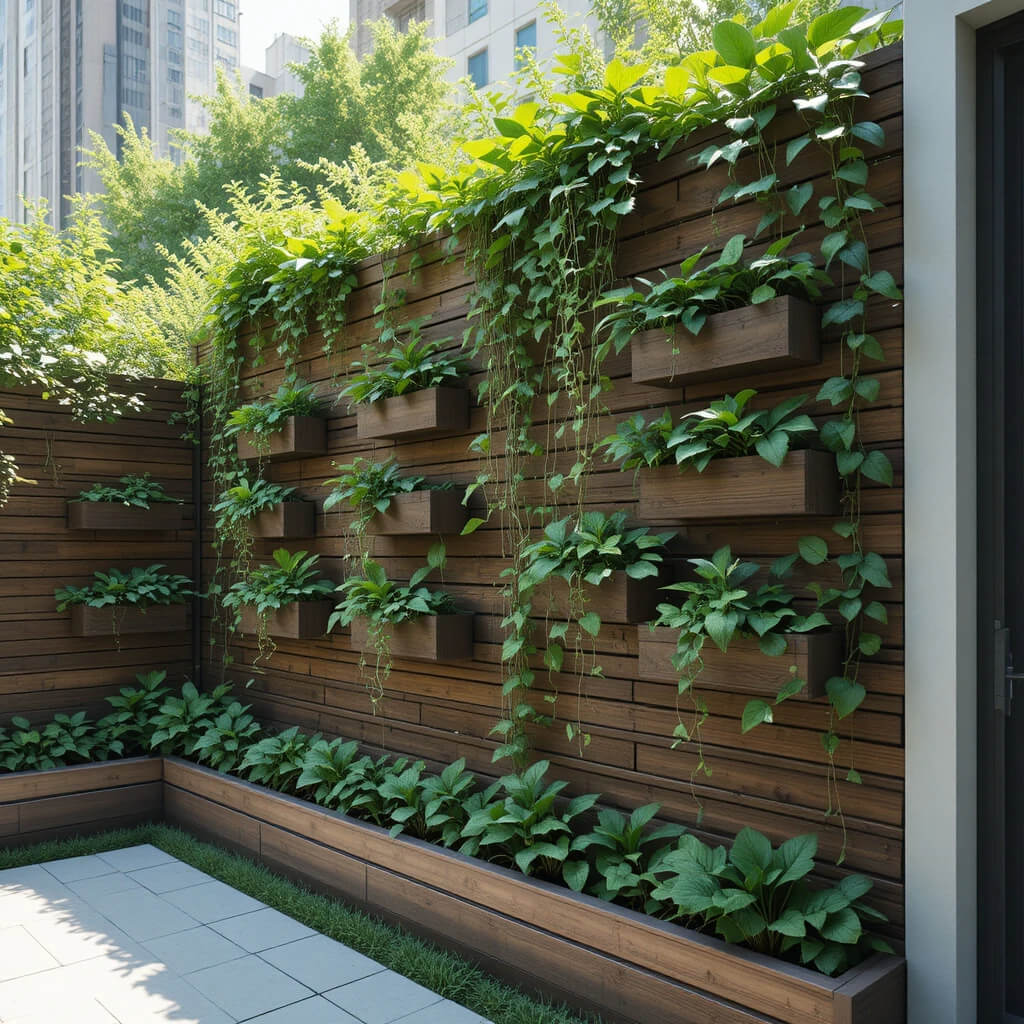
One of the most effective small garden ideas is to stop thinking only at ground level. When floor space is limited, vertical planting opens up a whole new world of possibilities.
Wall-mounted planters, trellises, climbing plants, and hanging baskets allow you to add greenery without crowding the ground. By drawing the eye upward, vertical gardens make outdoor areas feel taller and more expansive.
Climbing plants like jasmine, ivy, bougainvillea, or climbing roses soften walls and fences while adding depth. You can also use tiered shelves or vertical planter systems to create a lush green wall that feels intentional rather than cluttered.
Why it works:
Vertical elements break the horizontal boundaries of a small garden, creating the illusion of height and openness.
2. Choose Built-In Seating With Hidden Storage
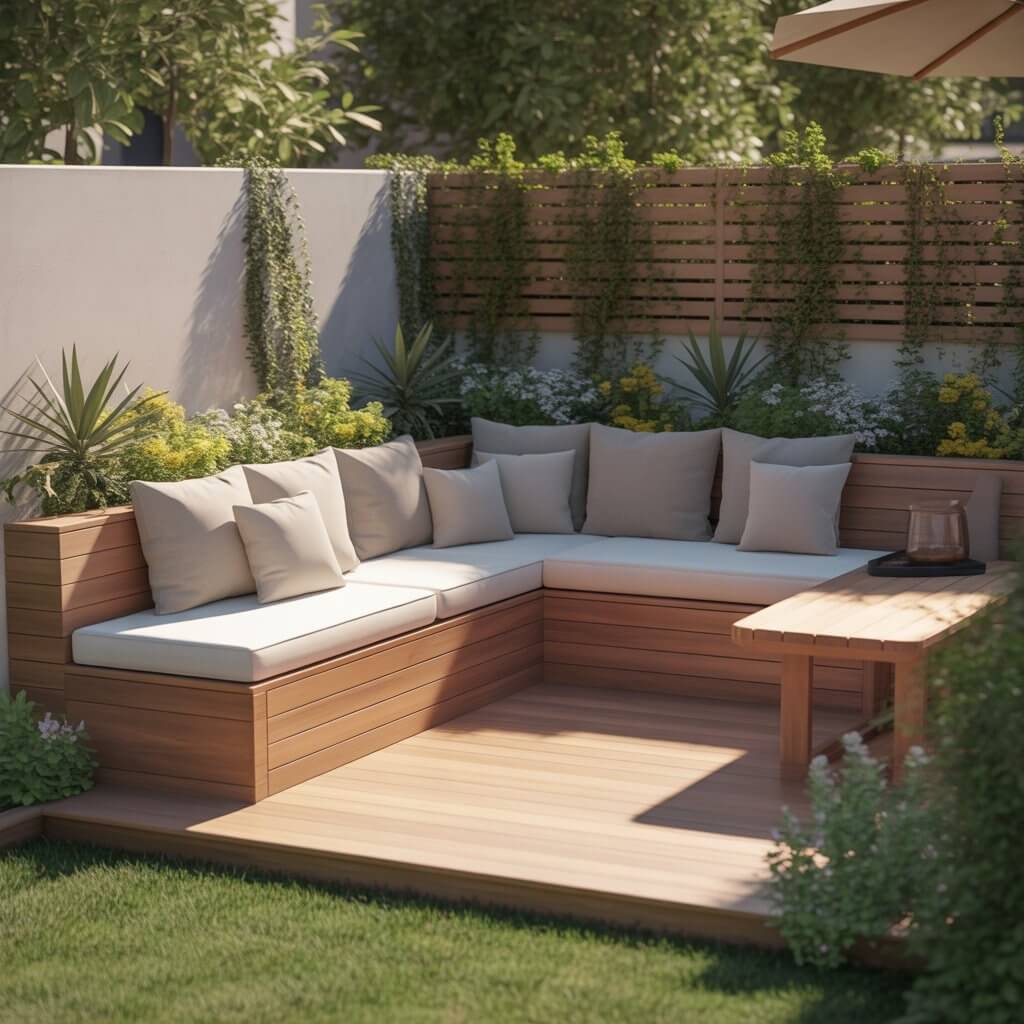
Loose furniture can quickly overwhelm small outdoor areas. Built-in seating, on the other hand, feels streamlined and intentional.
Benches built along garden walls or fences save space while offering comfortable seating. When combined with hidden storage underneath, they become even more practical. You can store cushions, tools, or outdoor accessories without needing extra storage units.
Opt for clean lines and neutral colors to keep the look light and airy. Adding cushions and throw pillows introduces comfort without visual bulk.
Why it works:
Built-in seating reduces clutter, creates structure, and keeps the garden feeling open and organized.
3. Stick to Light-Colored Surfaces
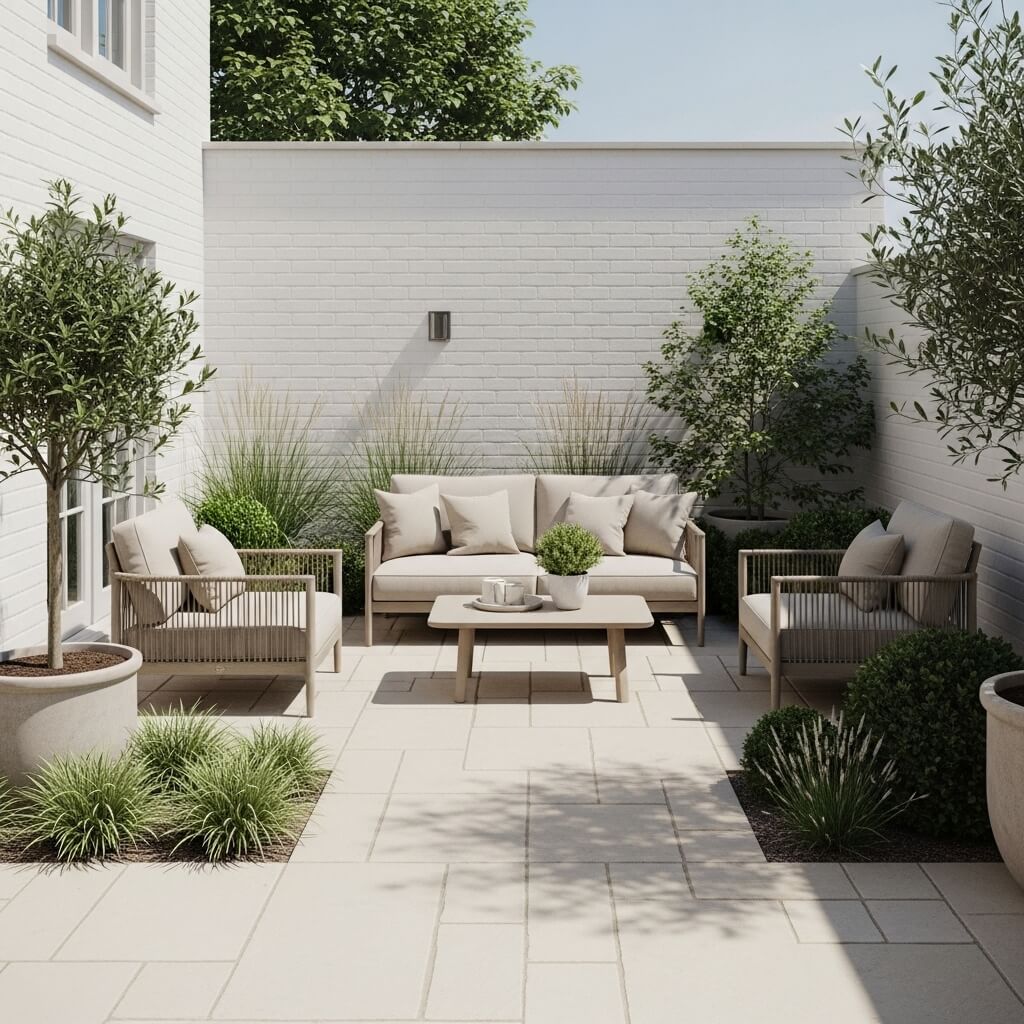
Color plays a huge role in how large or small a space feels. Light-colored paving, decking, walls, and fences reflect natural light, instantly making small gardens appear brighter and more spacious.
Materials like pale stone, light wood, or soft gray tiles help bounce light around the space. Even painting existing fences or walls in lighter shades can dramatically change the feel of a small garden.
This doesn’t mean everything has to be white—warm neutrals and soft earthy tones work just as well.
Why it works:
Light colors visually recede, helping boundaries feel farther away than they actually are.
4. Add Mirrors to Create the Illusion of Depth
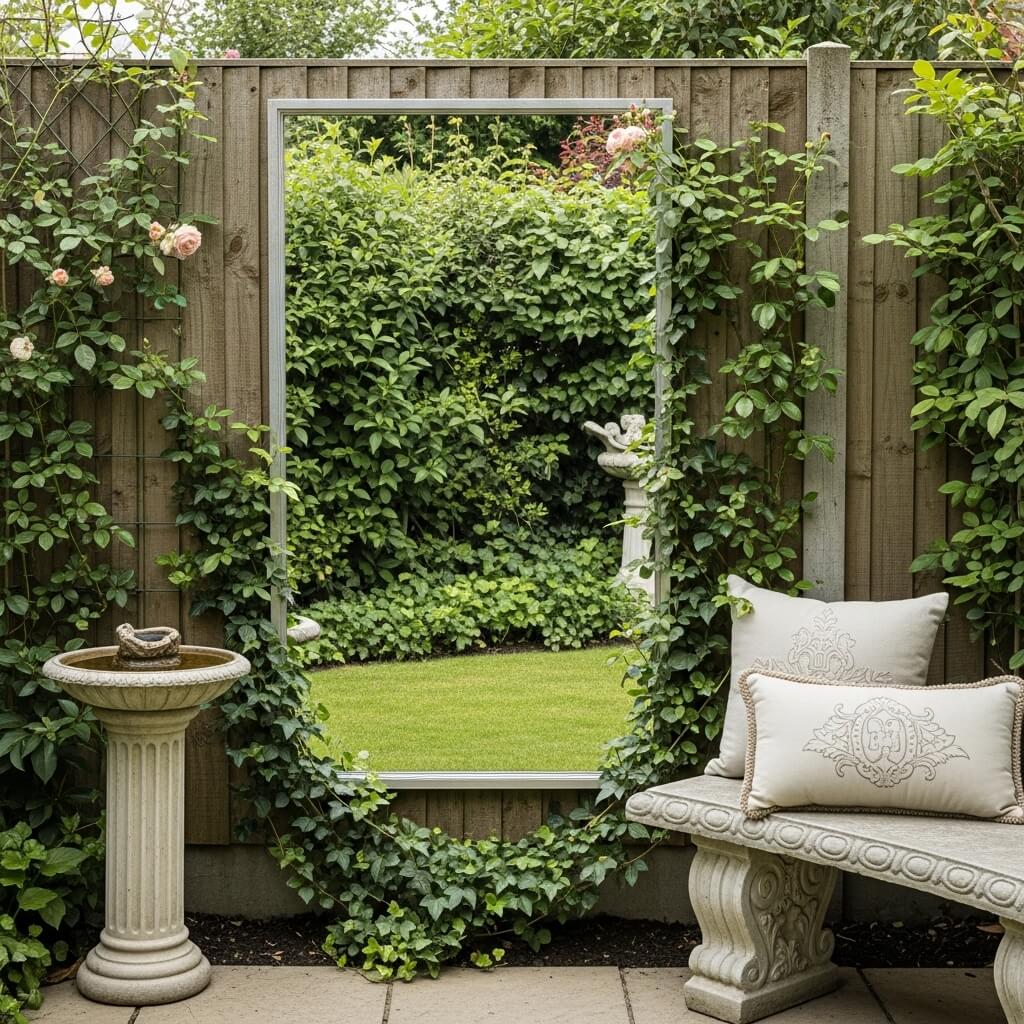
Mirrors aren’t just for interiors—they’re one of the most clever garden ideas for small spaces.
A well-placed outdoor mirror can reflect greenery, light, and sky, making your garden feel almost twice as large. Position mirrors on fences or walls where they reflect plants rather than clutter or neighboring buildings.
Choose weather-resistant mirrors with frames that suit your garden style, whether rustic, modern, or classic.
Why it works:
Mirrors trick the eye into seeing more space, adding depth and dimension to small outdoor areas.
5. Layer Plants for a Fuller, More Spacious Look
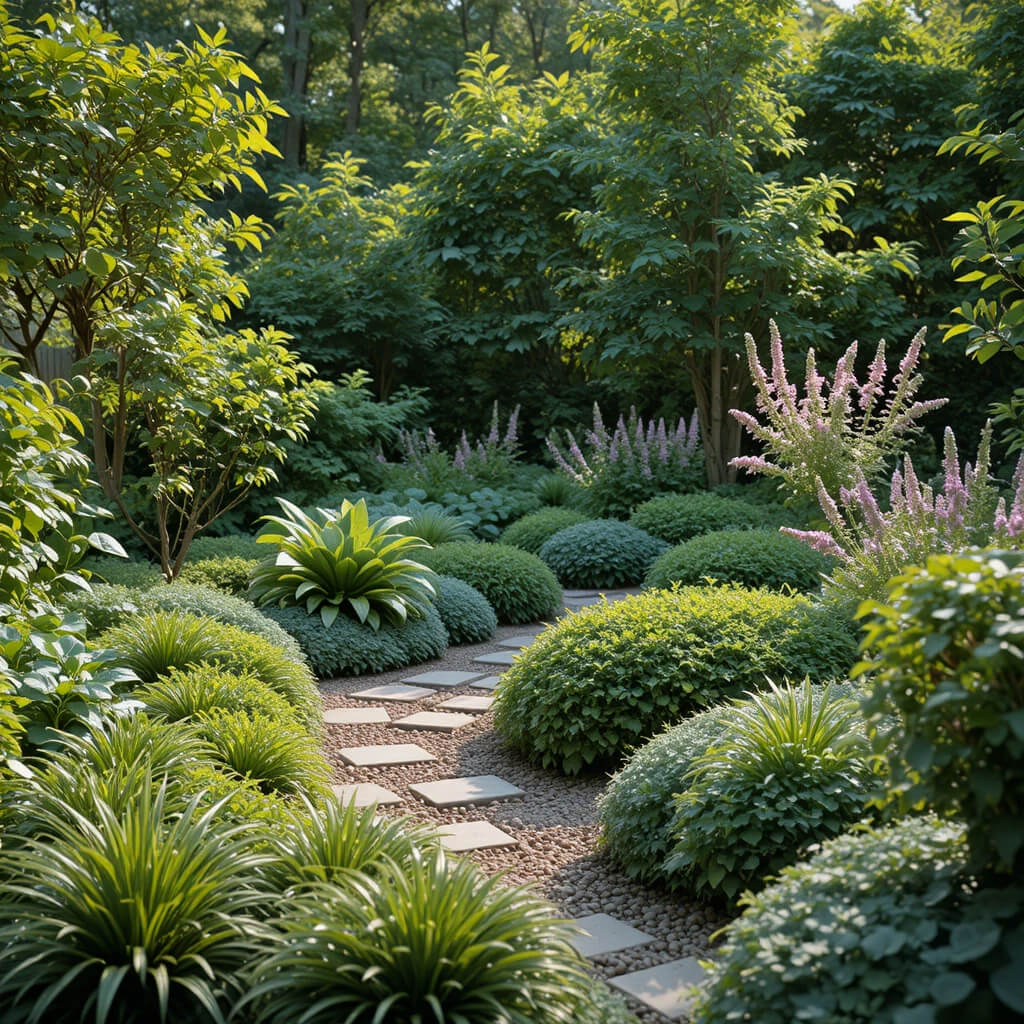
Instead of filling your garden with random plants, think in layers. Layered planting involves using low ground covers, mid-height shrubs, and taller plants or small trees.
This technique creates depth and makes a small garden feel more dynamic and expansive. It also mimics how plants grow naturally, giving the space a more organic and relaxed feel.
Stick to a limited plant palette to avoid visual clutter while still achieving a lush look.
Why it works:
Layering adds perspective, making the garden feel deeper and more thoughtfully designed.
6. Choose Multi-Functional Furniture
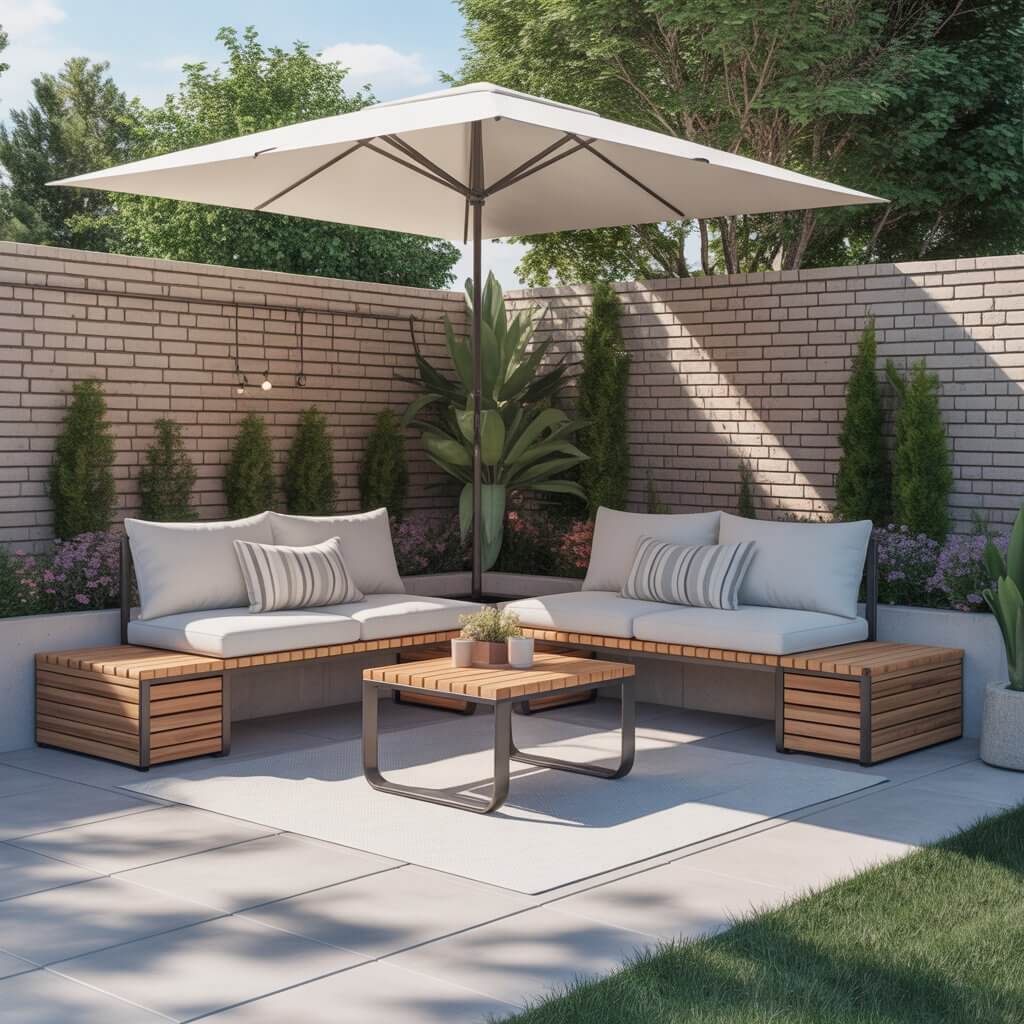
Every piece of furniture in a small garden should earn its place. Multi-functional furniture is a game-changer when space is limited.
Think tables that double as storage, stools that can be used as side tables, or foldable chairs that can be tucked away when not needed. Even planters with built-in seating can serve two purposes at once.
Keeping furniture flexible allows you to adapt your garden for relaxing, entertaining, or dining without overcrowding the space.
Why it works:
Multi-use items reduce clutter while increasing functionality.
7. Opt for Slimline and Scaled-Down Furniture
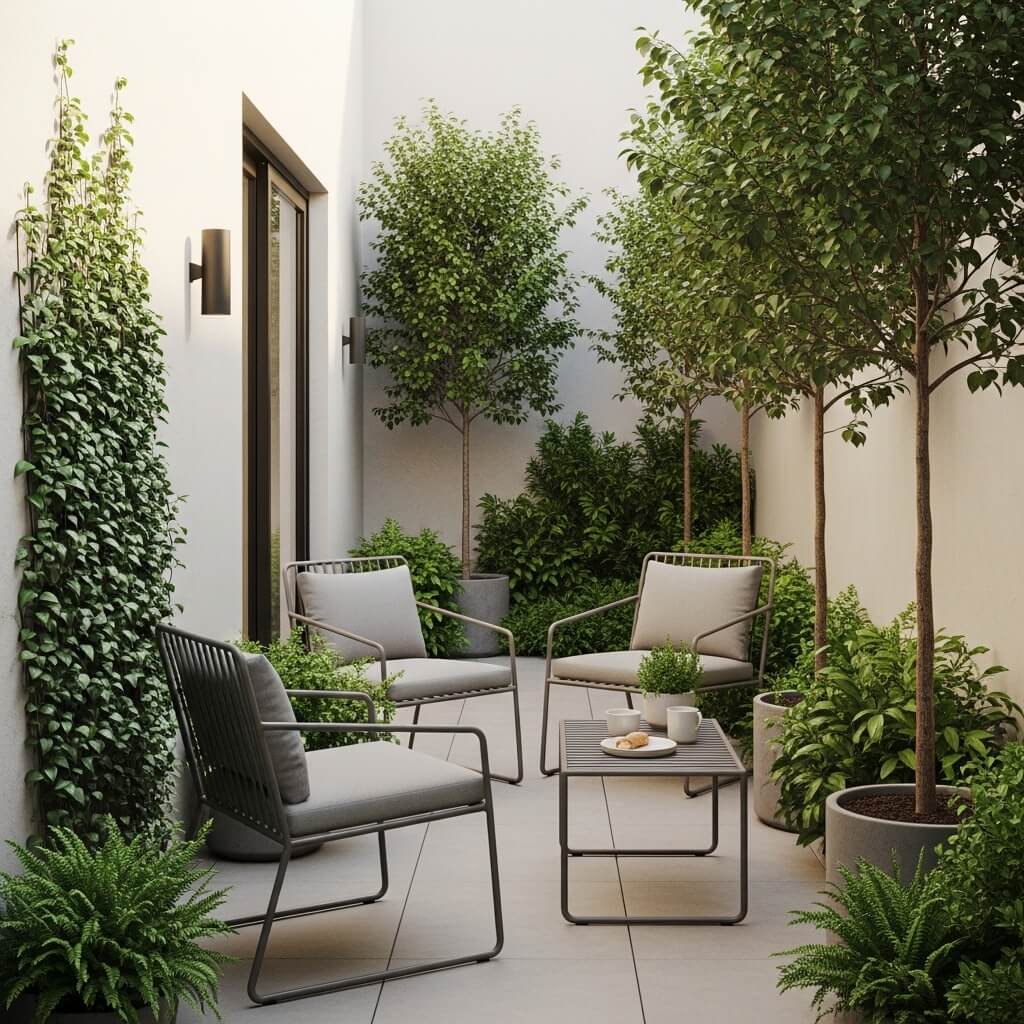
Oversized furniture can instantly make a small garden feel cramped. Instead, choose slimline designs that are scaled to fit smaller spaces.
Look for furniture with open frames, thin legs, and lightweight materials. These designs allow light and air to move through the space, keeping it visually open.
Avoid bulky armrests and heavy cushions, and stick to compact sets designed specifically for small outdoor areas.
Why it works:
Lighter furniture creates breathing room, making outdoor spaces feel less crowded.
8. Define Zones Even in Small Gardens
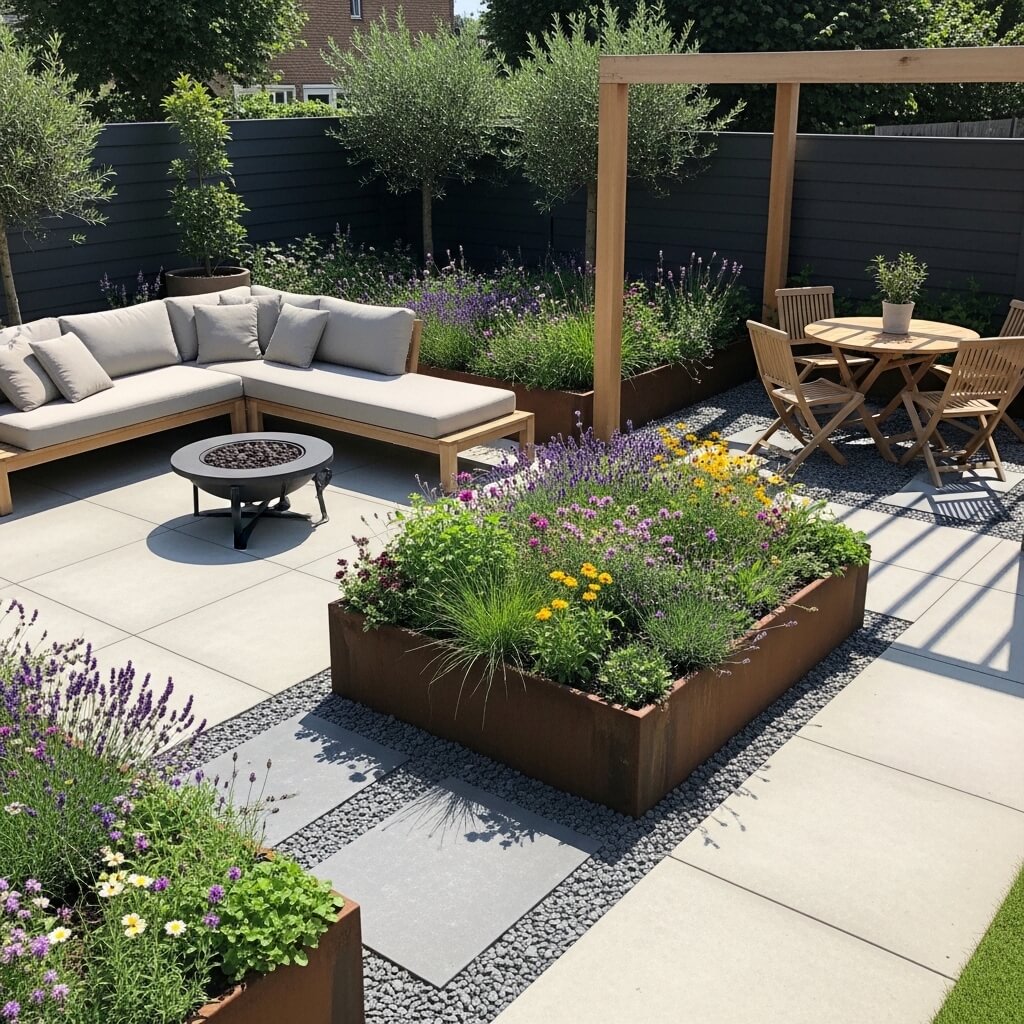
Zoning isn’t just for large gardens. Even the smallest outdoor areas benefit from clearly defined zones.
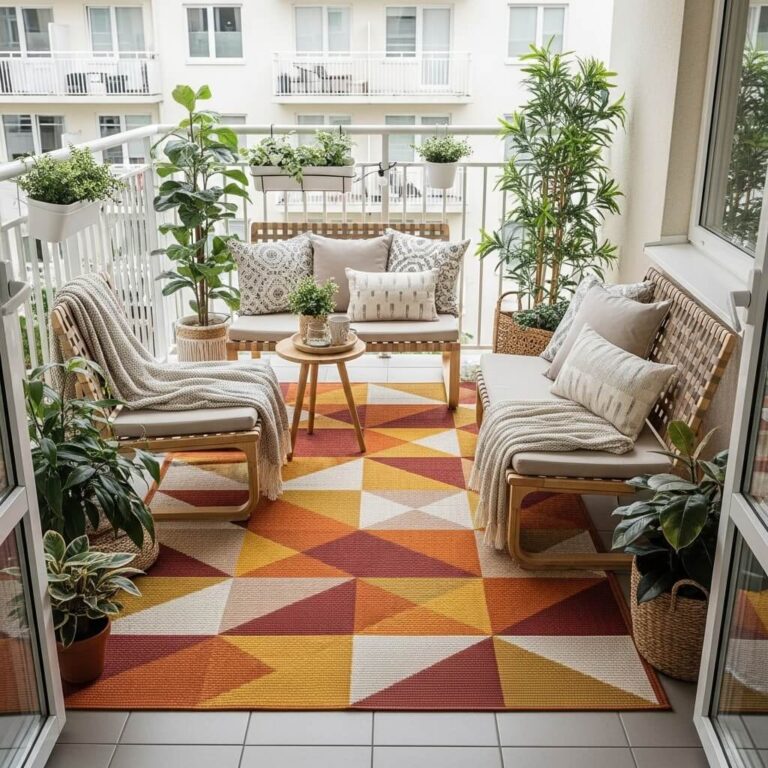
You might have a seating area, a planting zone, and a small dining corner—all within a compact space. Use rugs, changes in paving, or planter placement to subtly separate each area.
Defined zones create structure and make the garden feel more intentional and spacious.
Why it works:
Clear zones prevent the garden from feeling like one cluttered area.
9. Use Diagonal Lines and Angled Layouts
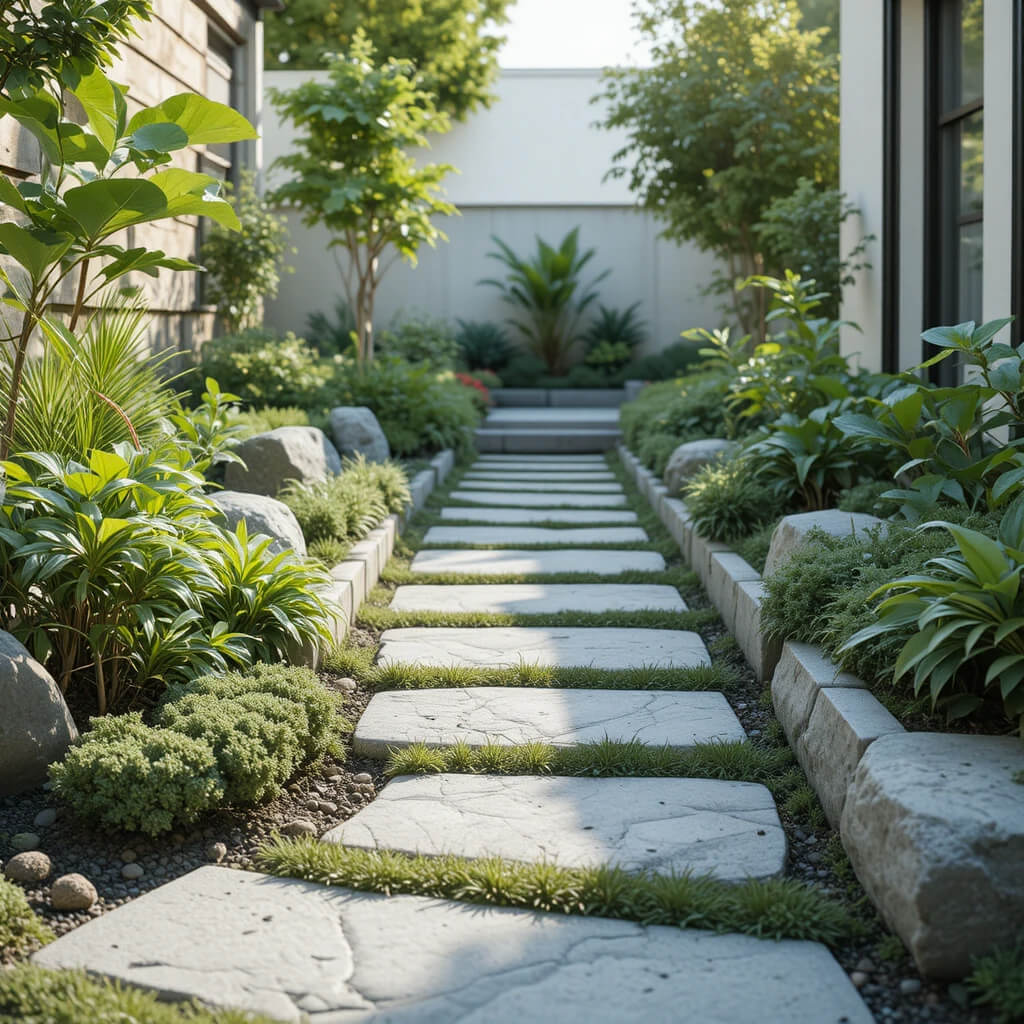
Straight lines can unintentionally highlight how narrow or compact a garden is. Diagonal layouts, however, trick the eye into seeing more width and movement.
You can introduce diagonal lines by laying paving stones at an angle, creating a slanted pathway, or positioning decking boards diagonally. Even angling furniture slightly instead of lining everything up parallel to the fence can make a noticeable difference.
These subtle shifts disrupt rigid boundaries and give the impression that the garden extends further than it really does.
Why it works:
Diagonal lines visually stretch the space and prevent the eye from stopping at straight edges.
10. Keep Planting Schemes Simple and Cohesive
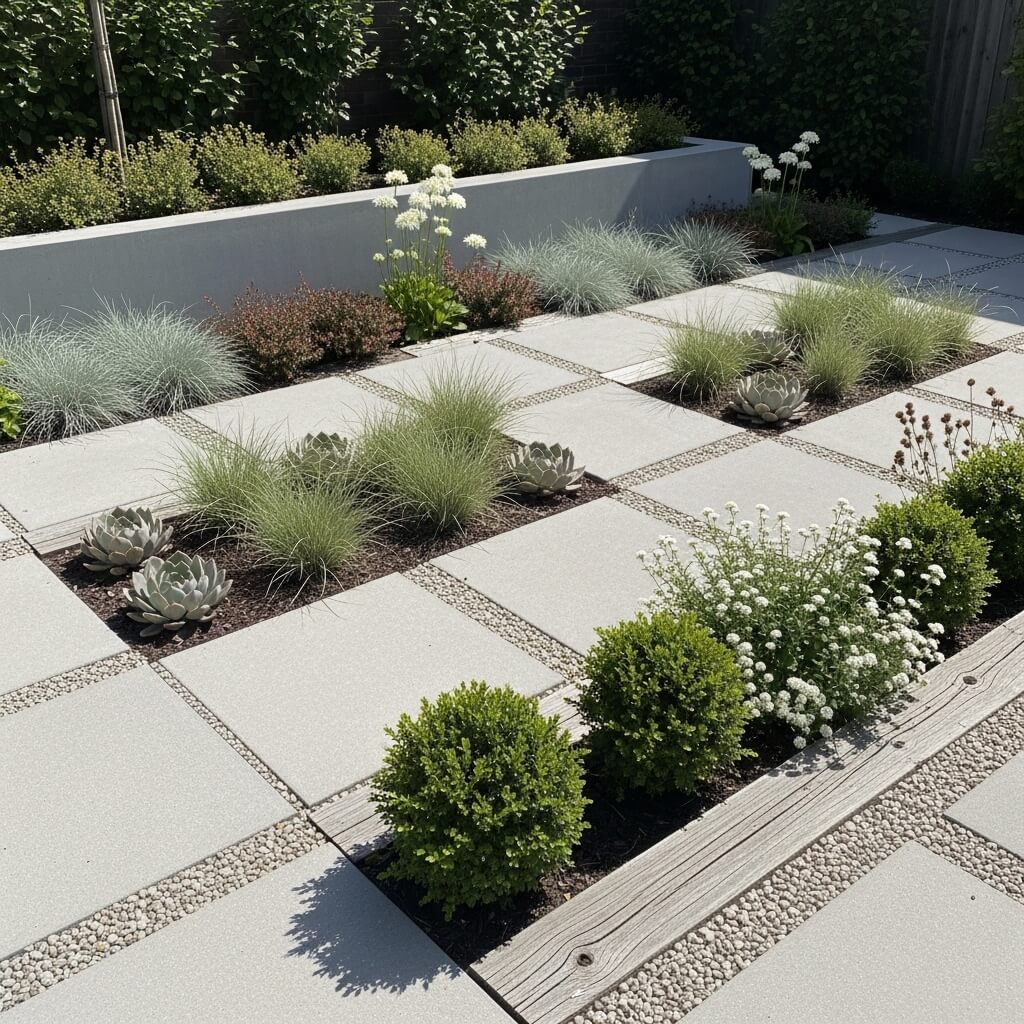
When space is limited, less really is more. Overloading a small garden with too many plant varieties, colors, and textures can make it feel busy and cramped.
Instead, choose a restrained planting palette. Stick to two or three main colors and repeat them throughout the garden. This creates visual flow and cohesion, helping the space feel calm and open.
Evergreen plants are particularly useful in small gardens, as they maintain structure and greenery year-round without overwhelming the space.
Why it works:
A simple planting scheme reduces visual noise and makes the garden feel larger and more organized.
11. Use Raised Garden Beds to Add Structure
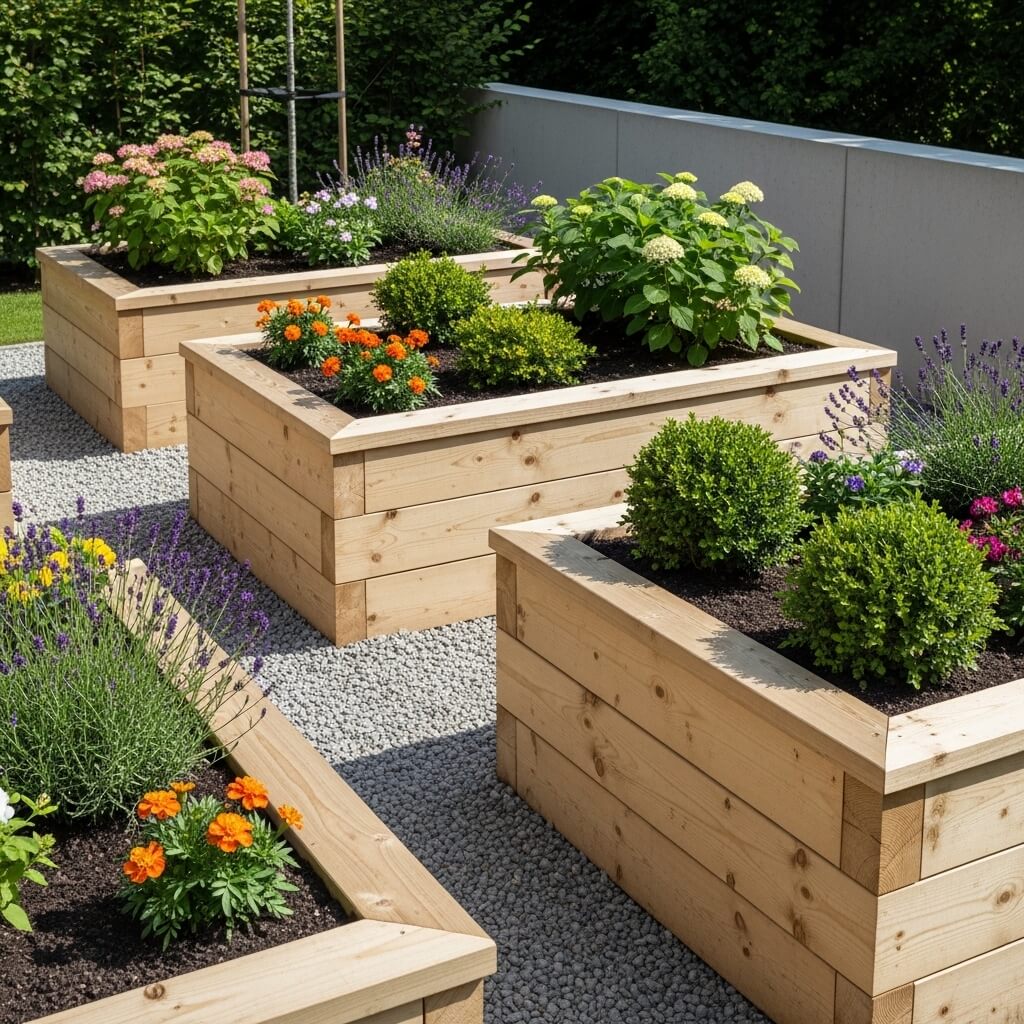
Raised garden beds are not just practical—they’re also great for small garden design. By lifting plants off the ground, you create clear structure and visual layers that add depth.
Raised beds help define planting areas and prevent plants from spreading into walkways. They’re also ideal for compact shrubs, herbs, or flowers in small yards.
Choose materials that match your overall design, such as wood, stone, or concrete, to maintain a cohesive look.
Why it works:
Raised beds introduce clean lines and depth, making small outdoor areas feel intentional and spacious.
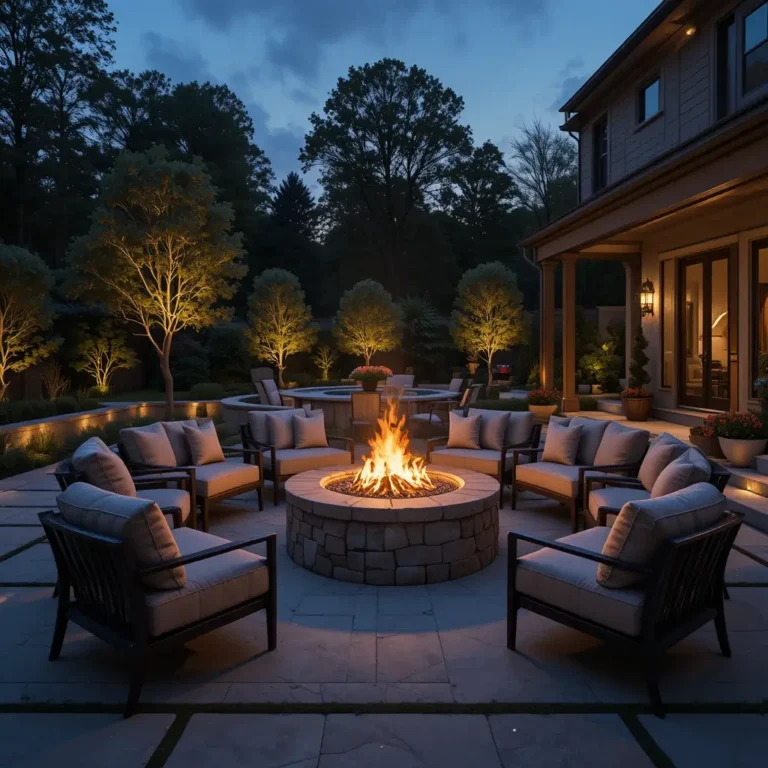
12. Use Lighting to Create Depth After Dark
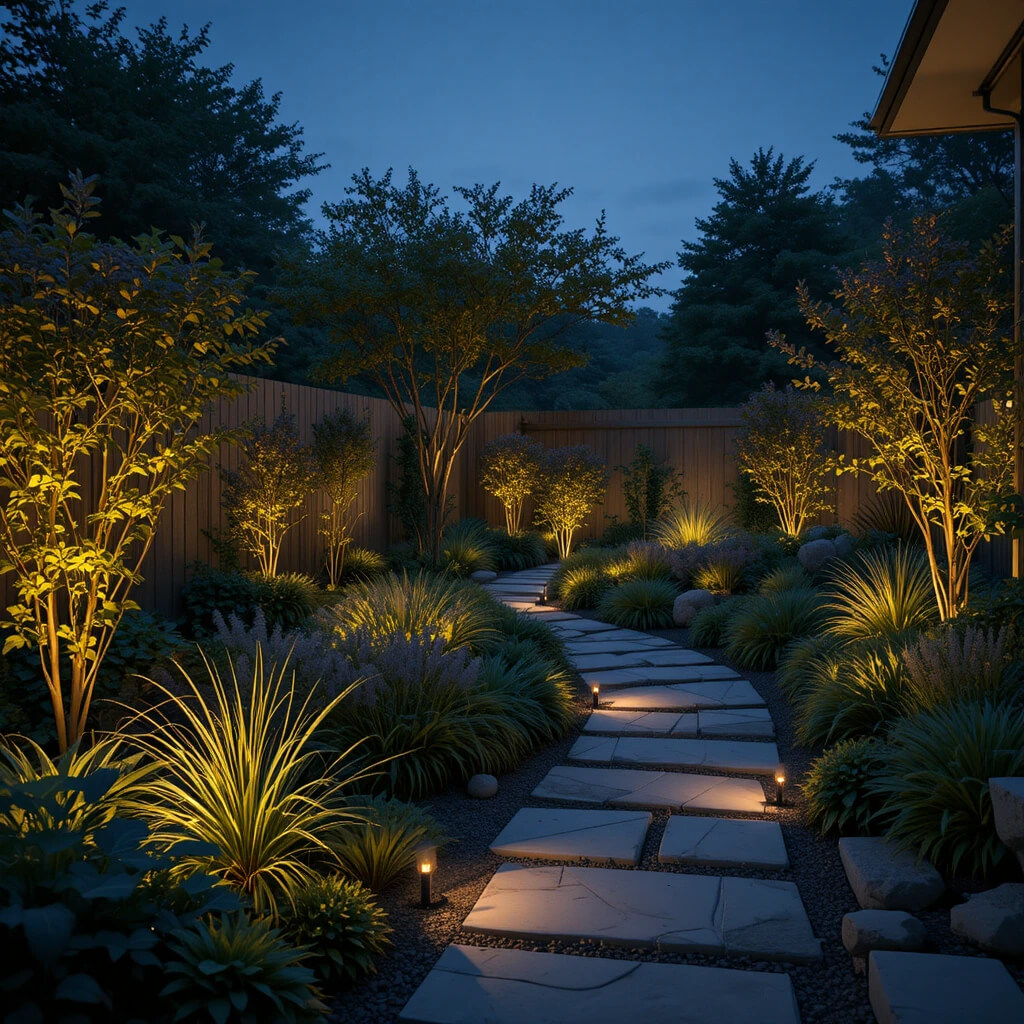
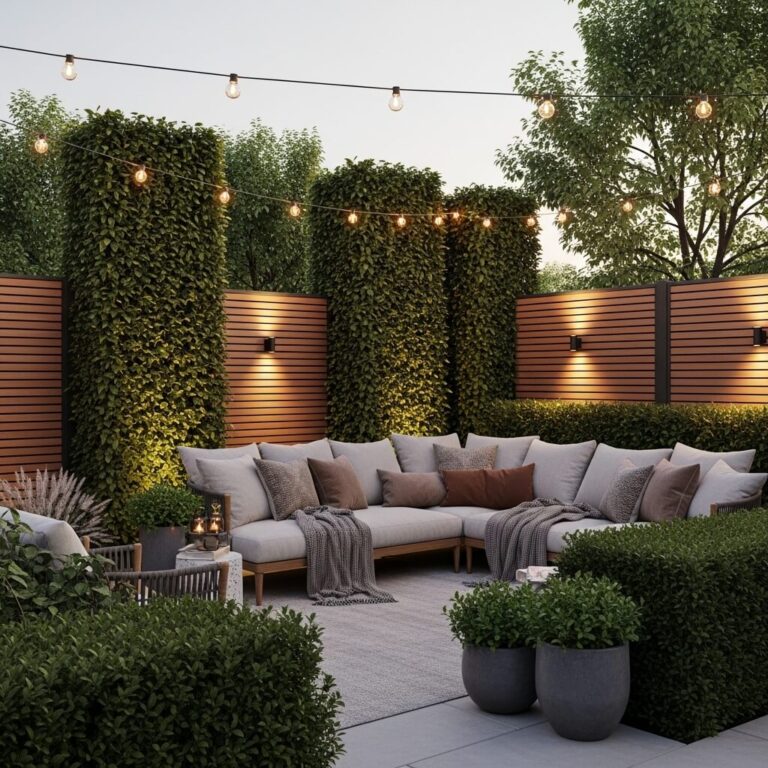
Good lighting can completely change how a small garden feels, especially in the evening. Instead of relying on a single bright light, use layered lighting to add depth.
Soft path lights, wall-mounted fixtures, and subtle uplighting on plants or walls help extend the visual boundaries of the garden. Warm lighting is especially effective for creating a cozy yet open atmosphere.
Solar lights are a budget-friendly and low-maintenance option that works well in small outdoor areas.
Why it works:
Strategic lighting draws the eye outward, making the garden feel larger even after sunset.
13. Repeat Materials and Colors Throughout the Space
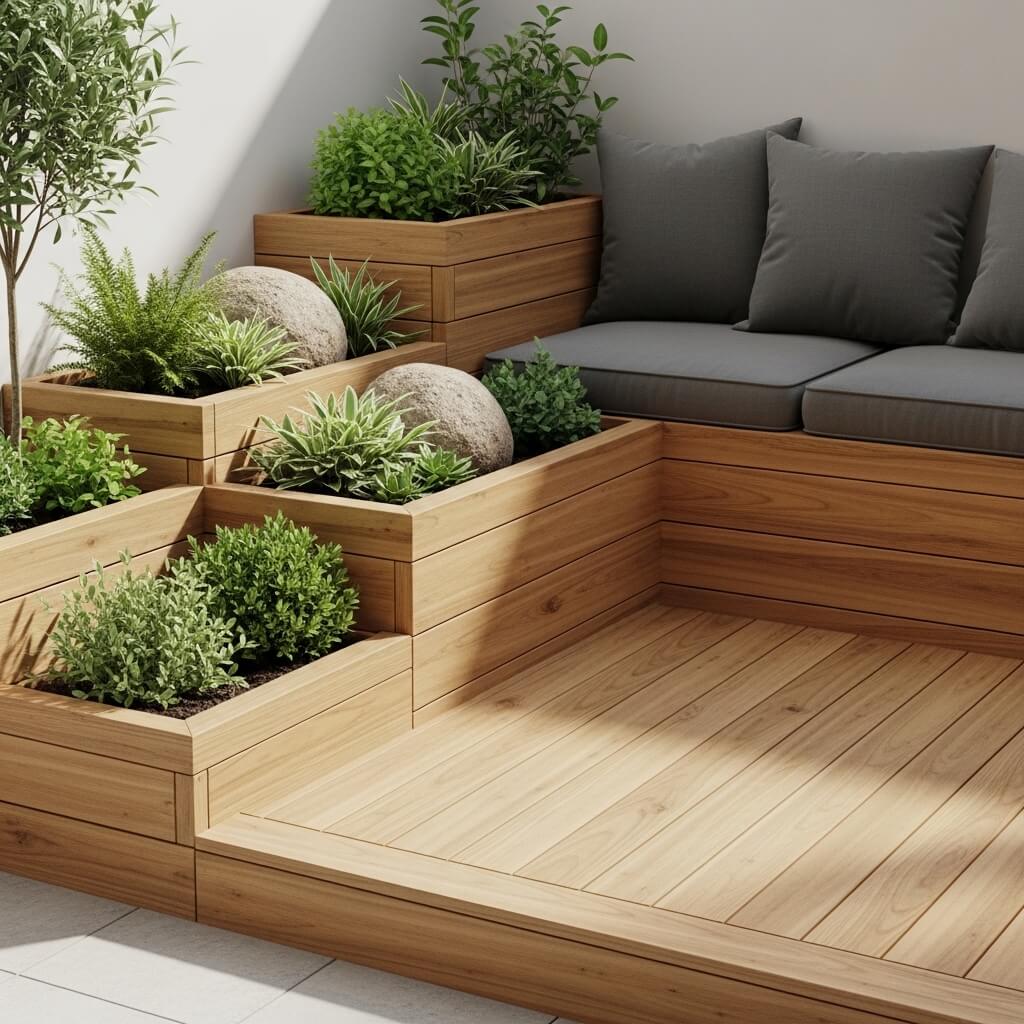
Consistency is a powerful design tool in small gardens. Repeating the same materials and colors helps unify the space and prevents it from feeling fragmented.
For example, use the same wood tone for decking, planters, and seating, or repeat a specific stone across paving and raised beds. Even repeating plant types or pot styles can make a big difference.
The more seamless the design feels, the larger the garden appears.
Why it works:
Repetition creates visual flow, making the space feel cohesive and expansive.
14. Use Open Fencing or Screens for Privacy
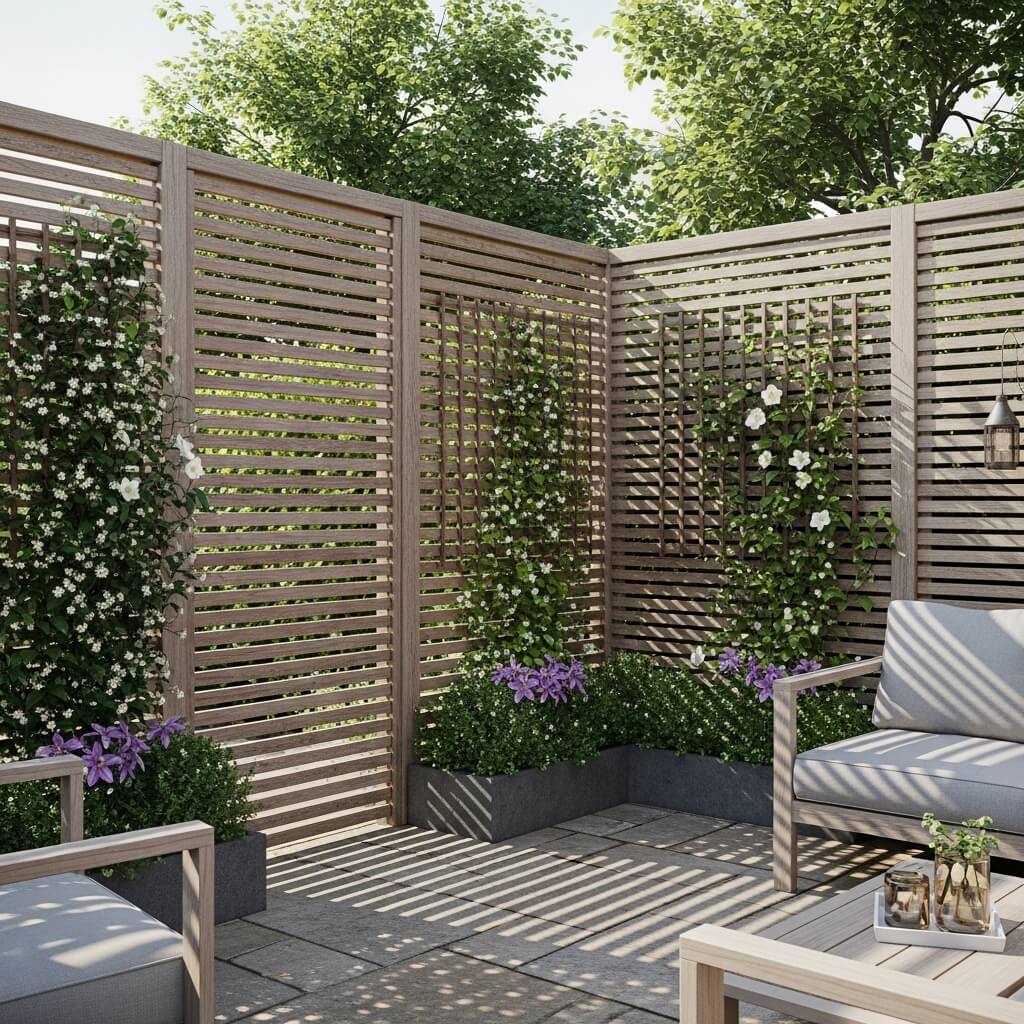
Privacy is important, but solid walls or heavy fencing can make a small garden feel boxed in. Open fencing, slatted screens, or trellises provide privacy without completely closing off the space.
These structures allow light and air to pass through while still offering separation from neighboring areas. You can soften them further with climbing plants for a natural, airy look.
Why it works:
Open boundaries maintain privacy while keeping the garden visually light and open.
15. Keep the Layout Clutter-Free and Intentional
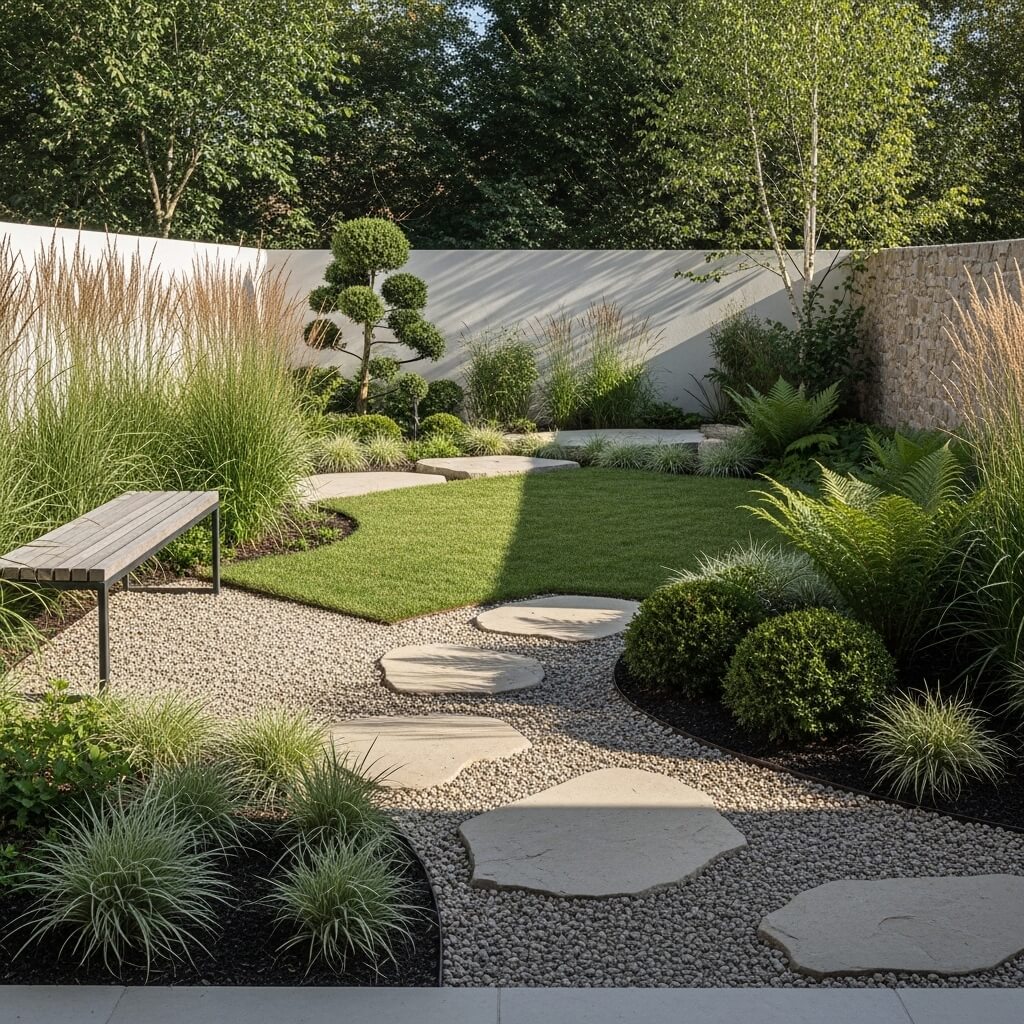
One of the most important small garden ideas is also the simplest: avoid clutter. Too many accessories, decorations, or mismatched furniture pieces can quickly overwhelm a compact space.
Every item in your garden should serve a purpose—whether functional or decorative. Choose quality over quantity, and don’t be afraid of empty space. Negative space allows the eye to rest and makes the garden feel larger.
Regular maintenance, pruning, and tidying also play a big role in keeping the space looking its best.
Why it works:
A clutter-free garden feels calmer, more spacious, and far more inviting.
Common Mistakes That Make Small Gardens Feel Smaller
Even well-intentioned designs can go wrong. Here are some common mistakes to avoid:
- Overcrowding the garden with furniture
- Using too many plant varieties
- Choosing dark colors for walls and paving
- Blocking sightlines with bulky items
- Ignoring vertical space
- Letting plants grow unchecked
Avoiding these pitfalls can instantly improve how your small outdoor area feels.
How to Choose the Right Plants for Small Garden Spaces
Plant choice matters just as much as layout in a small garden. The best plants for compact outdoor areas are those that offer structure without overwhelming the space.
Great plant options include:
- Vertical climbers like jasmine or clematis
- Compact shrubs with controlled growth
- Ornamental grasses for light texture
- Herbs and small flowering plants
- Evergreens for year-round interest
Avoid fast-growing plants that require constant pruning, as they can quickly take over a small garden.
Frequently Asked Questions About Small Garden Ideas
What plants make a small garden look bigger?
Plants with vertical growth, light foliage, and a consistent color palette help small gardens feel larger. Climbers, ornamental grasses, and compact shrubs work especially well.
How can I design a small garden on a budget?
Focus on simple changes like painting fences, rearranging furniture, adding mirrors, and using affordable vertical planters. Small updates can make a big impact.
Are raised beds good for small gardens?
Yes. Raised beds add structure, improve drainage, and make small gardens feel more organized and intentional.
How do I add privacy without making my garden feel closed in?
Use open fencing, slatted screens, or trellises with climbing plants. These provide privacy while maintaining light and openness.
What is the best layout for a small backyard?
Layouts that include clear zones, diagonal lines, and minimal clutter work best. Keeping pathways open and furniture scaled to size is key.
Conclusion
A small garden doesn’t have to feel limiting. With thoughtful design choices, smart layouts, and a bit of creativity, even the most compact outdoor area can feel open, stylish, and welcoming.
From vertical planting and light-colored surfaces to multi-functional furniture and clutter-free layouts, these small garden ideas prove that size isn’t the most important factor—design is. By focusing on flow, cohesion, and purpose, you can turn a small outdoor space into a place you truly enjoy spending time in.
No matter the size of your garden, the right approach can make it feel bigger, better, and beautifully suited to your lifestyle.