15 Outdoor Landscaping Ideas That Save Water and Look Stunning
Water is becoming one of the most valuable resources in our homes, and our outdoor spaces are often where it’s used the most. Traditional lawns, thirsty flower beds, and inefficient irrigation systems can quietly drive up water bills while putting pressure on the environment. The good news? Creating a beautiful outdoor landscape doesn’t have to mean wasting water.
Sustainable outdoor landscaping is all about designing smarter—choosing plants, layouts, and materials that work with nature instead of against it. Whether you live in a dry climate or simply want a low-maintenance yard that still turns heads, water-wise landscaping can be both practical and stunning.
In this guide, we’ll walk through 15 sustainable outdoor landscaping ideas that help conserve water while keeping your outdoor area stylish, welcoming, and full of life. These ideas work for large yards, small patios, and everything in between. Even better, many of them can be implemented gradually, so you don’t have to overhaul your entire space at once.
Let’s dive in.
1. Choose Drought-Tolerant Plants
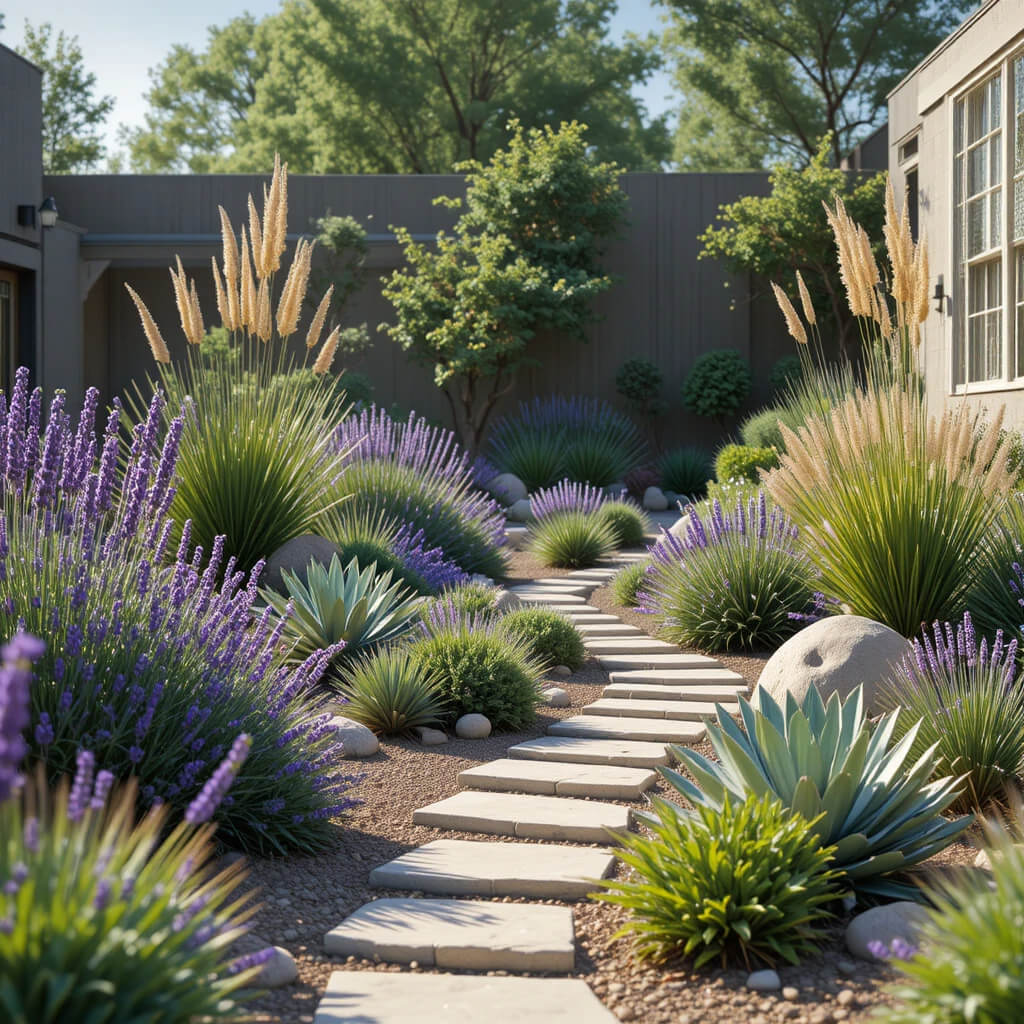
One of the easiest ways to reduce outdoor water use is by choosing plants that naturally need less water. Drought-tolerant plants are designed to thrive with minimal irrigation, making them perfect for sustainable landscaping.
Plants like lavender, succulents, agave, ornamental grasses, rosemary, and yarrow not only survive dry conditions but also add texture, color, and character to your landscape. Many drought-tolerant plants have unique shapes and foliage that create visual interest year-round.
To make the most of them, group plants with similar water needs together. This method, known as hydrozoning, ensures you’re not overwatering plants that don’t need it.
2. Go Native With Your Plant Selection
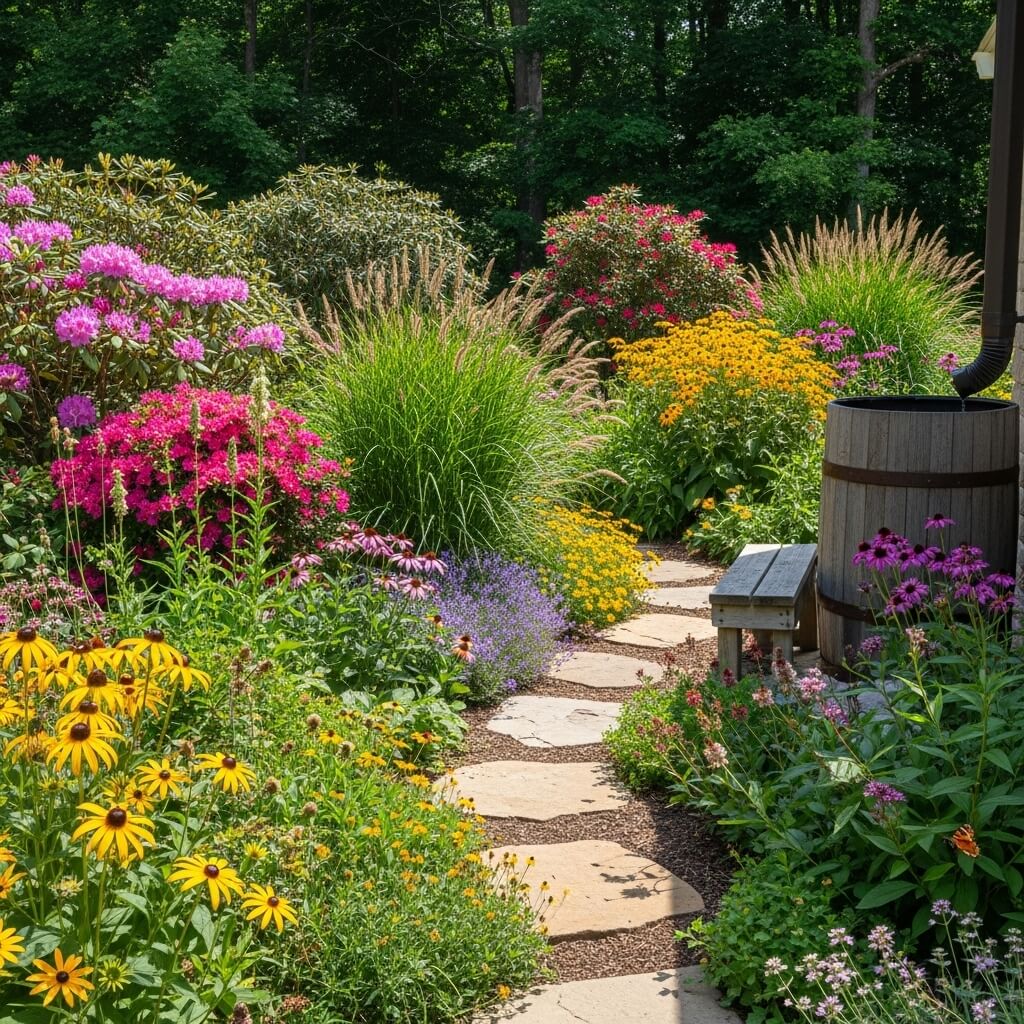
Native plants are perfectly adapted to your local climate, rainfall patterns, and soil conditions. Because of this, they typically require far less water, fertilizer, and maintenance than non-native species.
Beyond water savings, native plants support local wildlife, including birds, butterflies, and pollinators. A yard filled with native plants often feels more natural and harmonious, blending seamlessly into the surrounding environment.
Check with local nurseries or gardening groups to learn which native plants thrive best in your area. Once established, they’ll reward you with resilience and long-term beauty.
3. Replace Traditional Lawns With Ground Covers
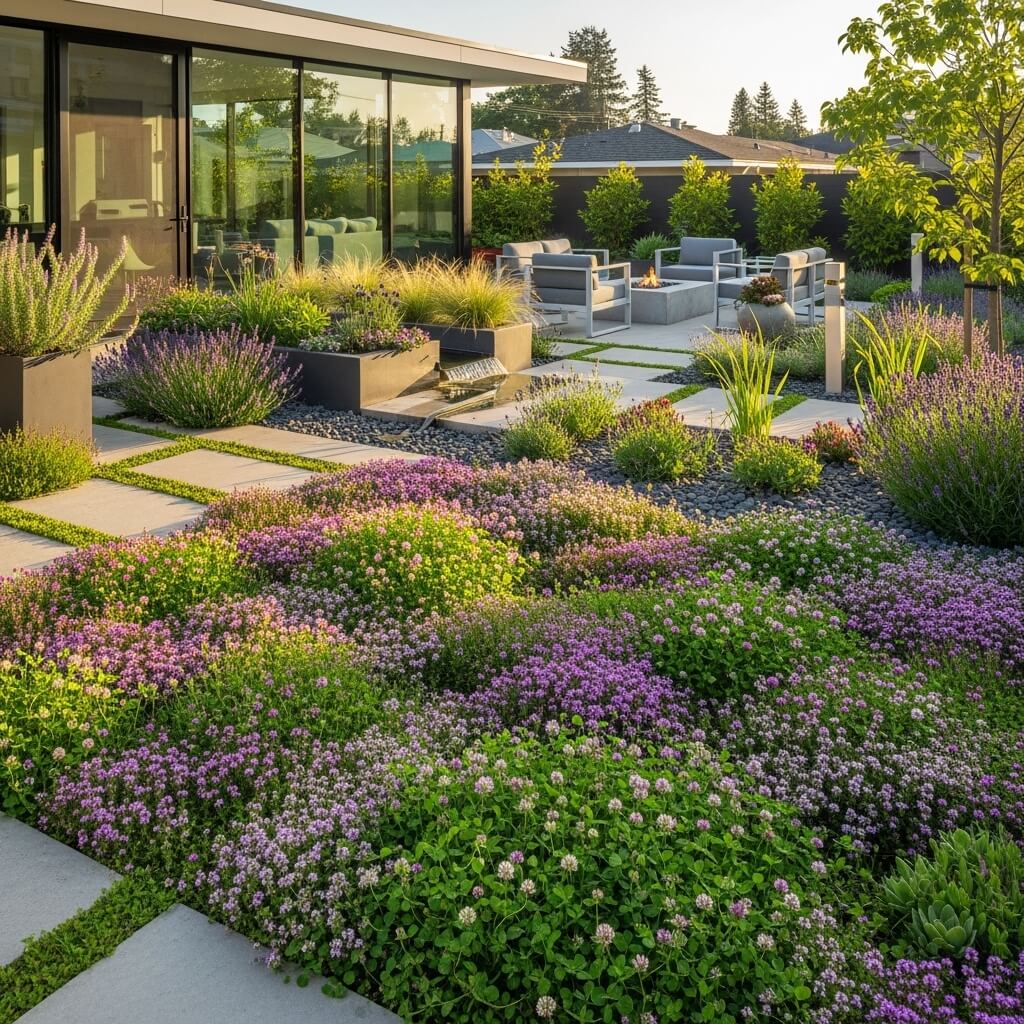
Lawns are one of the biggest water consumers in outdoor landscaping. If you love greenery but want to reduce water use, consider replacing part—or all—of your lawn with low-water ground cover plants.
Options like clover, creeping thyme, sedum, and mondo grass provide lush coverage without constant watering. Many ground covers are also more resistant to pests and foot traffic than traditional grass.
You don’t have to remove your entire lawn. Even replacing unused or hard-to-water areas can significantly cut water usage while adding visual variety.
4. Use Mulch to Lock in Moisture
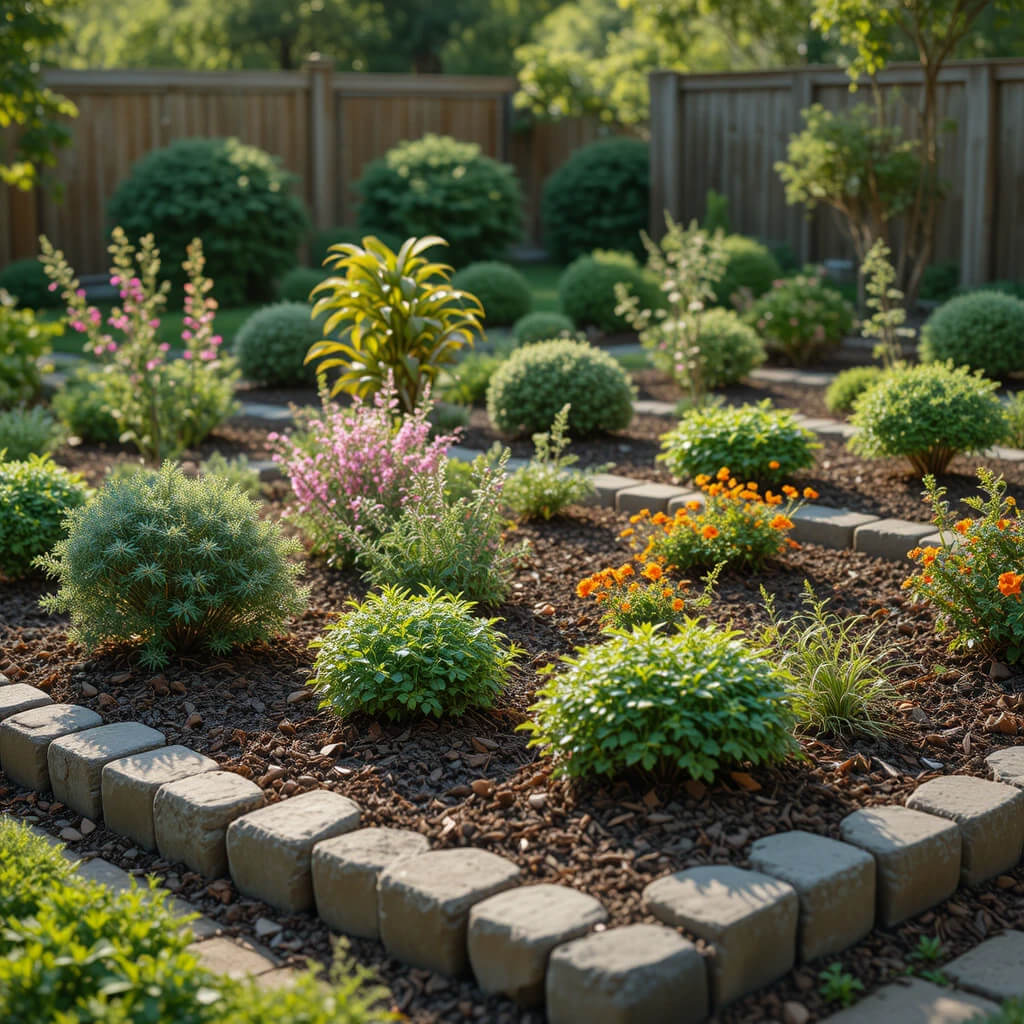
Mulch is a simple yet powerful tool in sustainable landscaping. By covering the soil around plants, mulch helps retain moisture, regulate soil temperature, and prevent weeds that compete for water.
Organic mulches like wood chips, bark, straw, or shredded leaves gradually break down, improving soil health over time. Inorganic options such as gravel or stone work well in modern or desert-style landscapes.
A good rule of thumb is to apply mulch in a 2–3 inch layer, keeping it slightly away from plant stems to prevent rot.
5. Install a Drip Irrigation System
If you’re still watering plants with sprinklers or hoses, a drip irrigation system can be a game changer. These systems deliver water directly to plant roots, reducing evaporation and runoff.
Drip irrigation uses significantly less water than traditional methods and ensures plants receive moisture exactly where they need it. It’s especially effective for garden beds, shrubs, and container plants.
Modern systems can be paired with timers or smart controllers, making them incredibly convenient and efficient.
6. Create a Rain Garden
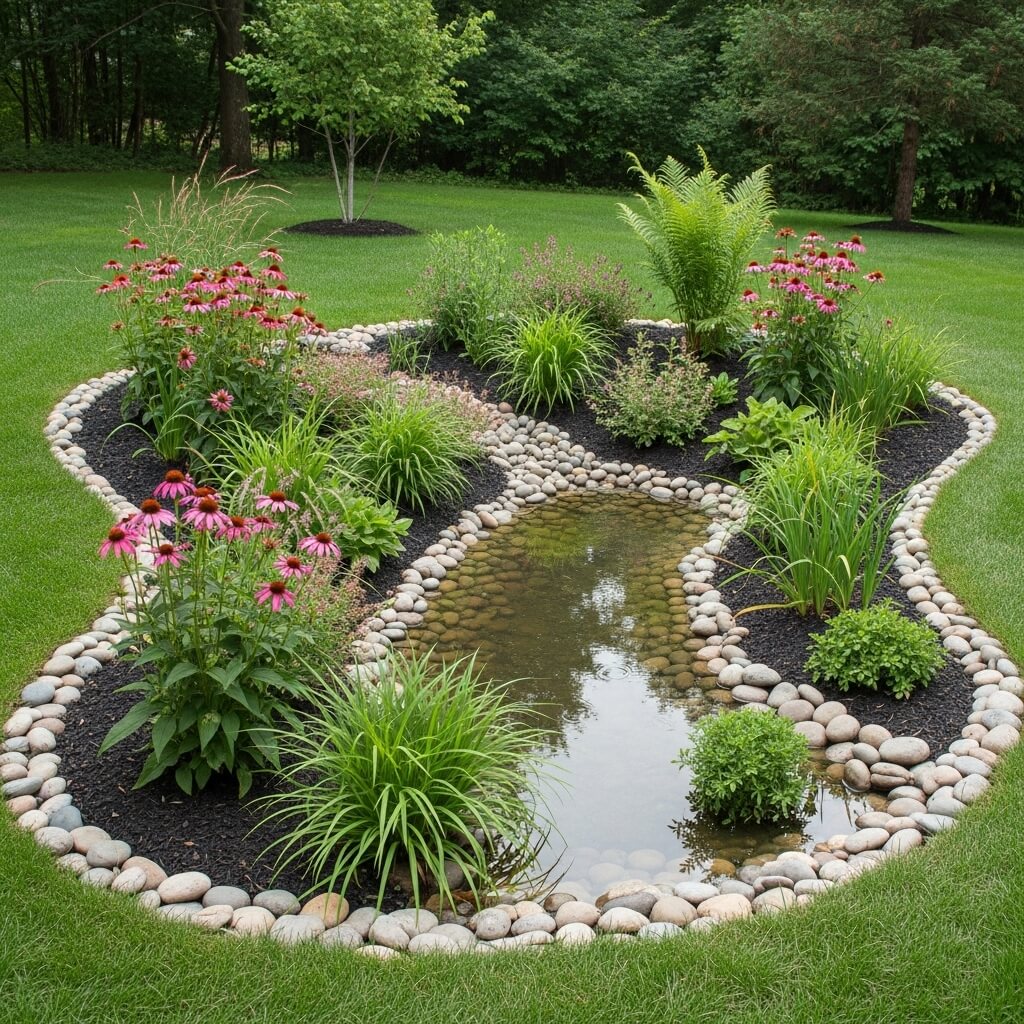
A rain garden is a shallow, landscaped area designed to collect and absorb rainwater runoff from roofs, driveways, or patios. Instead of letting rainwater flow into drains, a rain garden allows it to soak into the ground naturally.
Planted with water-tolerant native species, rain gardens are both functional and beautiful. They reduce erosion, improve water quality, and create a unique focal point in your yard.
With thoughtful design, a rain garden can look like a lush flower bed rather than a functional drainage feature.
7. Incorporate Gravel and Stone Landscaping
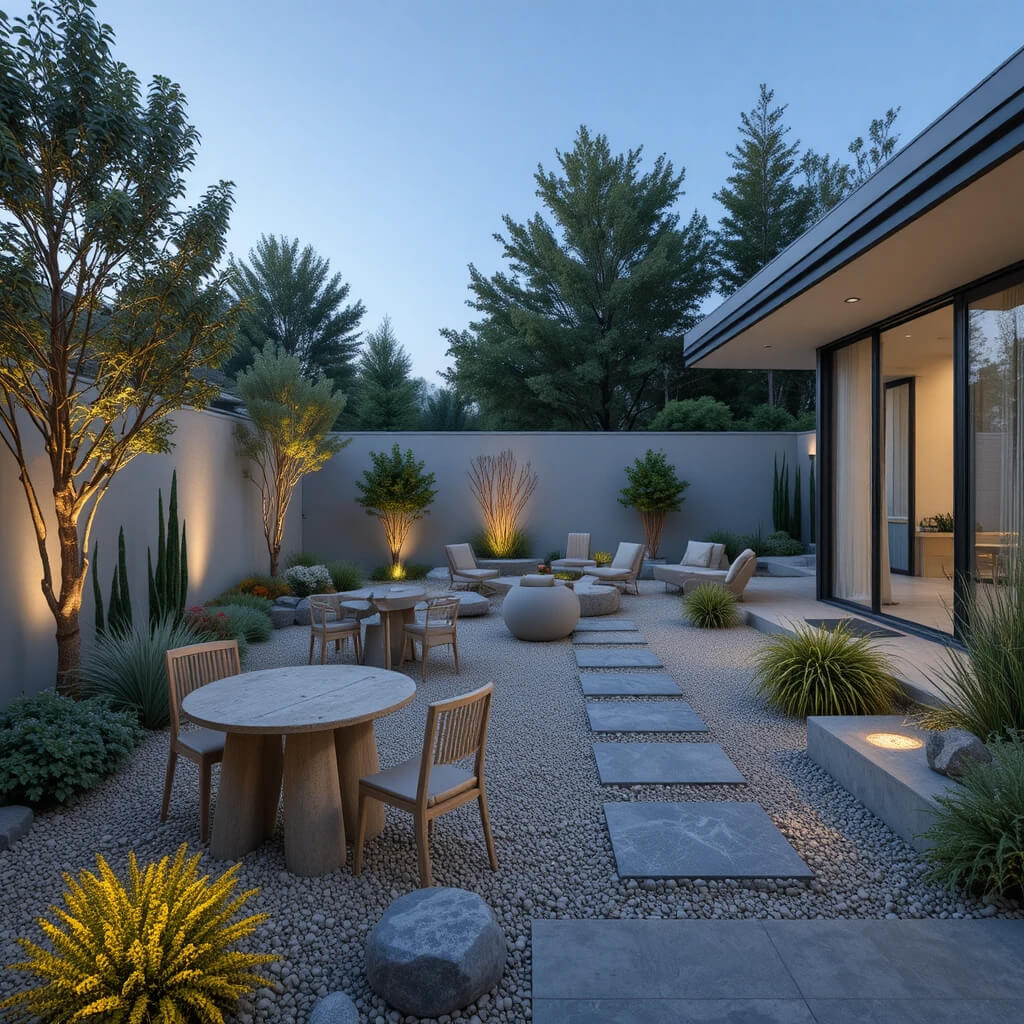
Hardscaping elements like gravel, pebbles, and stone can dramatically reduce water use while giving your outdoor space a clean, modern look.
Gravel paths, stone patios, and decorative rock gardens eliminate the need for irrigation entirely in certain areas. They’re also low-maintenance and long-lasting.
To soften the look, combine stone features with drought-tolerant plants or ornamental grasses for contrast and warmth.
8. Try Xeriscaping for Maximum Water Efficiency
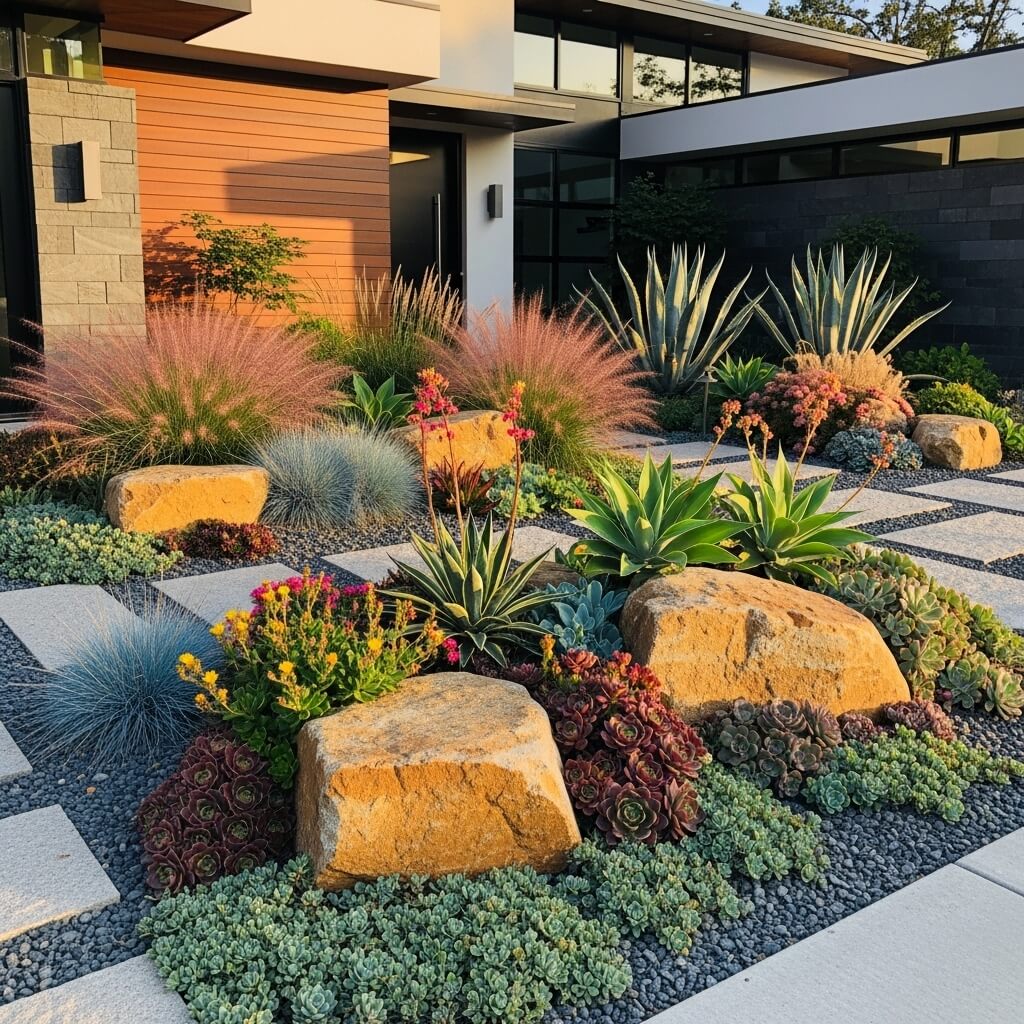
Xeriscaping is a landscaping approach specifically designed to minimize water use. It focuses on thoughtful planning, efficient irrigation, and plants that thrive in dry conditions.
Despite the misconception that xeriscaping looks barren, modern xeriscaped yards can be lush, colorful, and full of texture. With layered plants, natural stone, and strategic design, xeriscaping can feel both elegant and inviting.
This approach is especially popular in dry and drought-prone regions but works anywhere water conservation is a priority.
9. Use Permeable Paving
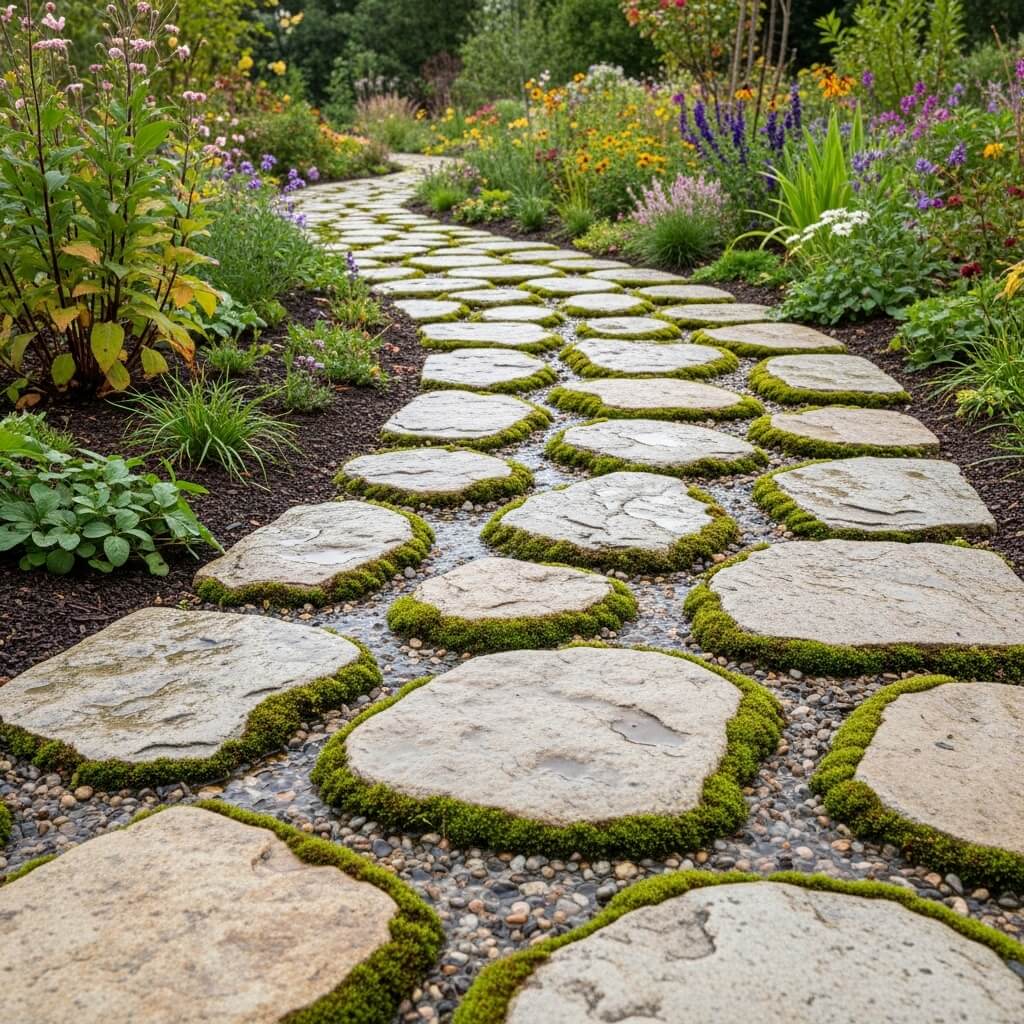
Traditional concrete and asphalt prevent water from soaking into the ground, leading to runoff and wasted rainwater. Permeable paving materials allow water to pass through and recharge the soil below.
Options include permeable pavers, gravel grids, and porous concrete. These materials are ideal for walkways, patios, and driveways.
Permeable paving not only saves water but also reduces puddles and improves drainage, making your outdoor area more functional year-round.
10. Add Shade Trees Strategically
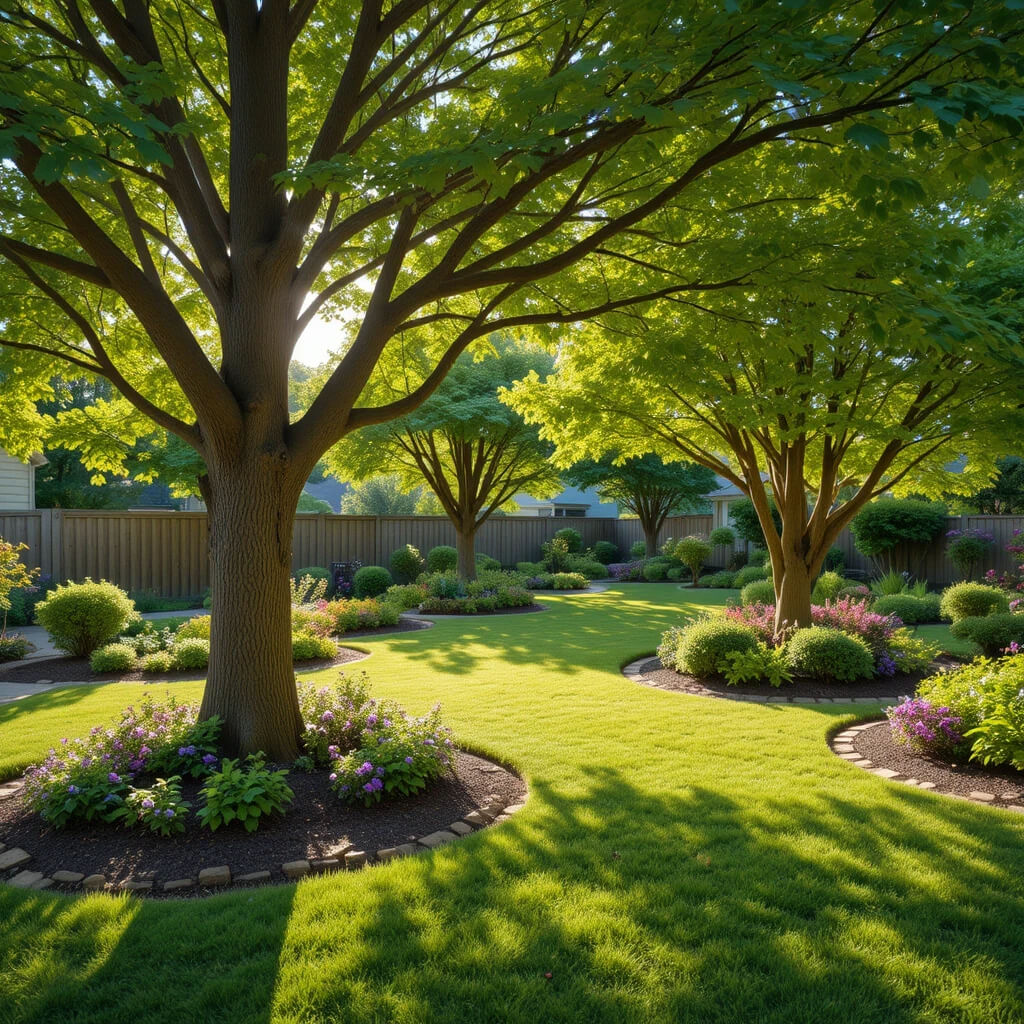
Shade trees play a big role in water-efficient landscaping. By providing shade, they reduce soil evaporation and protect plants from intense heat.
Trees like oak, maple, and native shade varieties can significantly lower the temperature in your yard, reducing the need for frequent watering. They also improve air quality and add long-term value to your property.
Place trees strategically near patios, garden beds, or areas that receive intense afternoon sun for maximum impact.
11. Build Raised Garden Beds
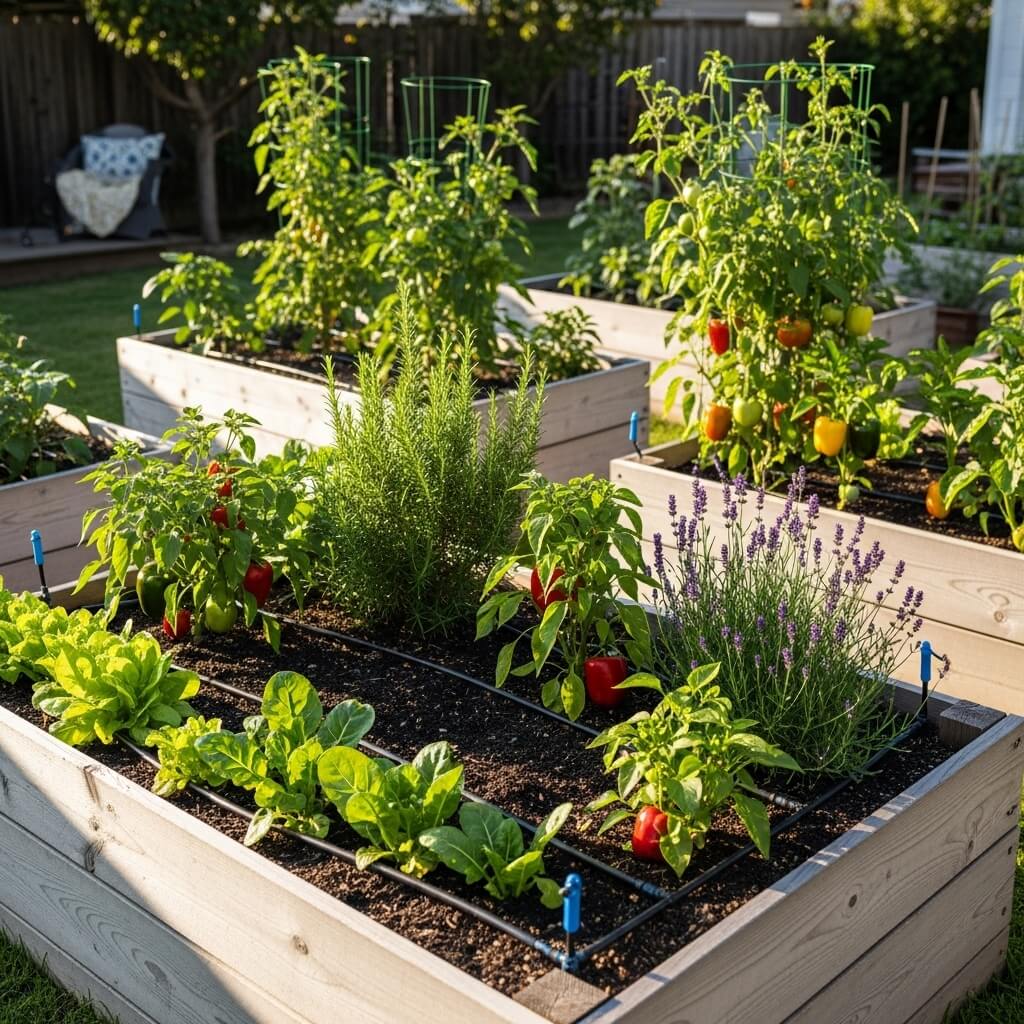
Raised garden beds allow you to control soil quality, improve drainage, and reduce water waste. Because water is directed precisely where it’s needed, raised beds are often more efficient than traditional garden plots.
They’re especially useful for growing vegetables, herbs, and flowers in a sustainable way. Adding mulch and drip irrigation makes them even more water-smart.
As a bonus, raised beds add structure and visual interest to your landscape design.
12. Smart Irrigation System
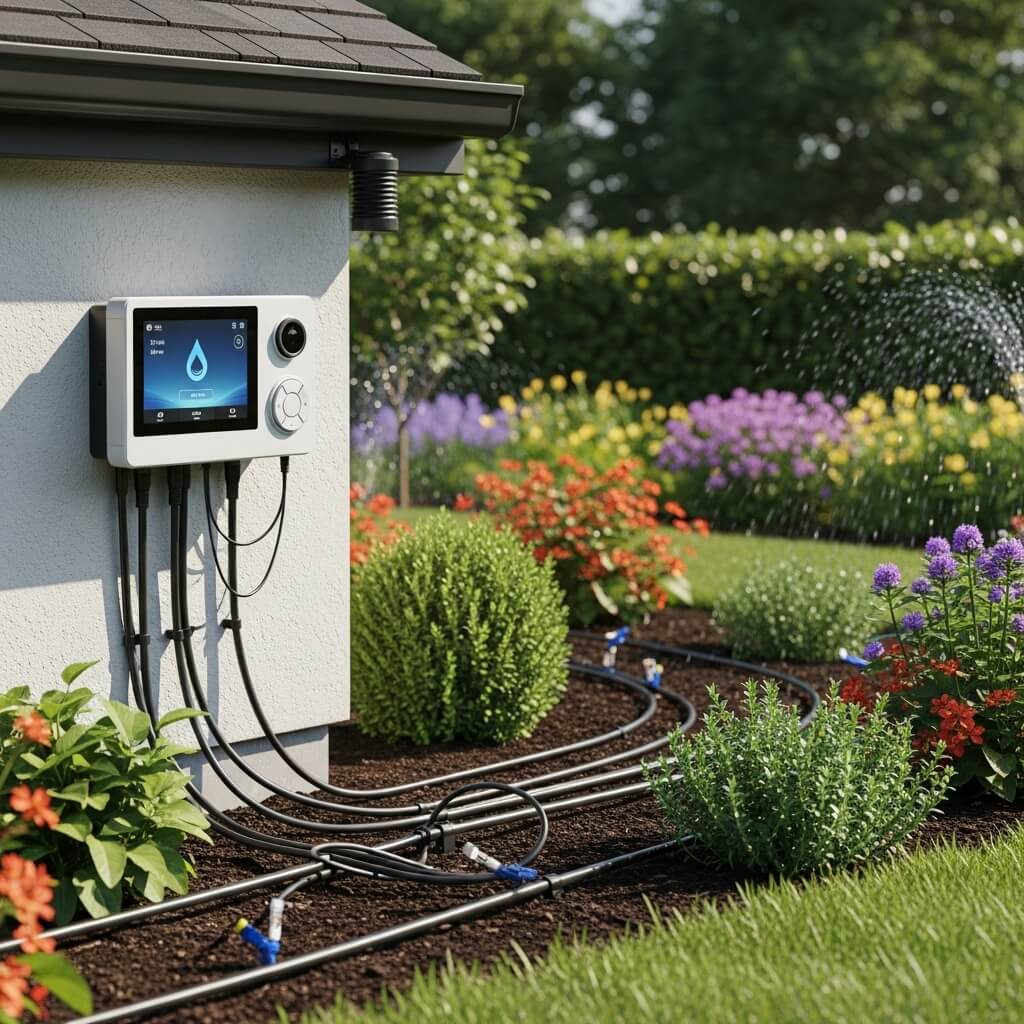
Smart irrigation controllers use weather data, soil moisture levels, and plant needs to determine when and how much to water. This prevents overwatering and ensures your landscape only receives water when necessary.
Many smart controllers can be managed through mobile apps, giving you full control even when you’re away from home.
Over time, these systems can save a significant amount of water and reduce utility bills without sacrificing plant health.
13. Create Vertical Gardens
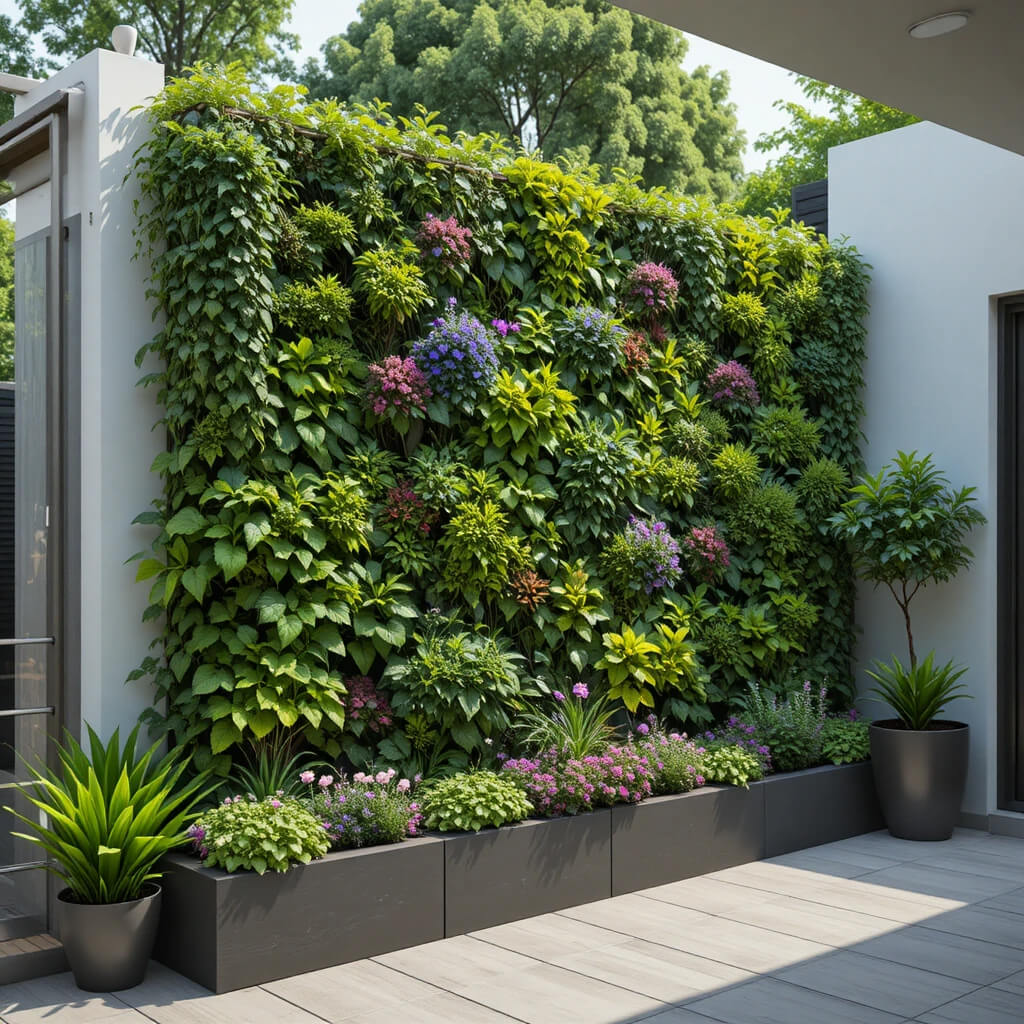
Vertical gardens are perfect for small outdoor spaces and water-efficient landscaping. By growing plants upward instead of outward, you reduce ground area that needs watering.
Many vertical garden systems are designed to use water efficiently, often with built-in drip irrigation or recirculating systems.
Vertical gardens also add a dramatic visual element, turning blank walls or fences into lush green features.
14. Collect and Reuse Rainwater
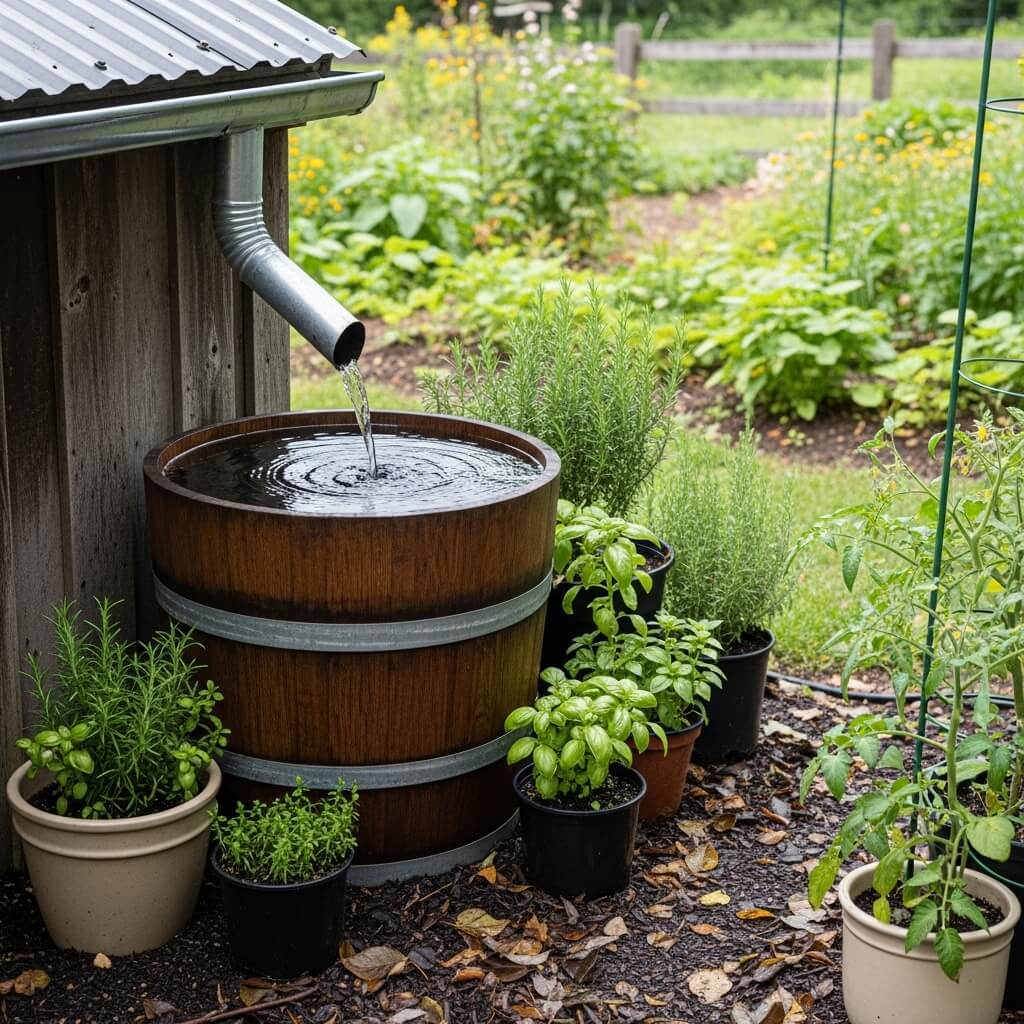
Rainwater harvesting is one of the most effective ways to save water outdoors. Installing rain barrels or collection systems allows you to reuse natural rainfall for watering plants.
Collected rainwater is free, chemical-free, and ideal for gardens. Even a simple rain barrel can make a noticeable difference over time.
Place barrels under downspouts and use the water for garden beds, containers, or newly planted areas.
15. Use Recycled and Reclaimed Materials
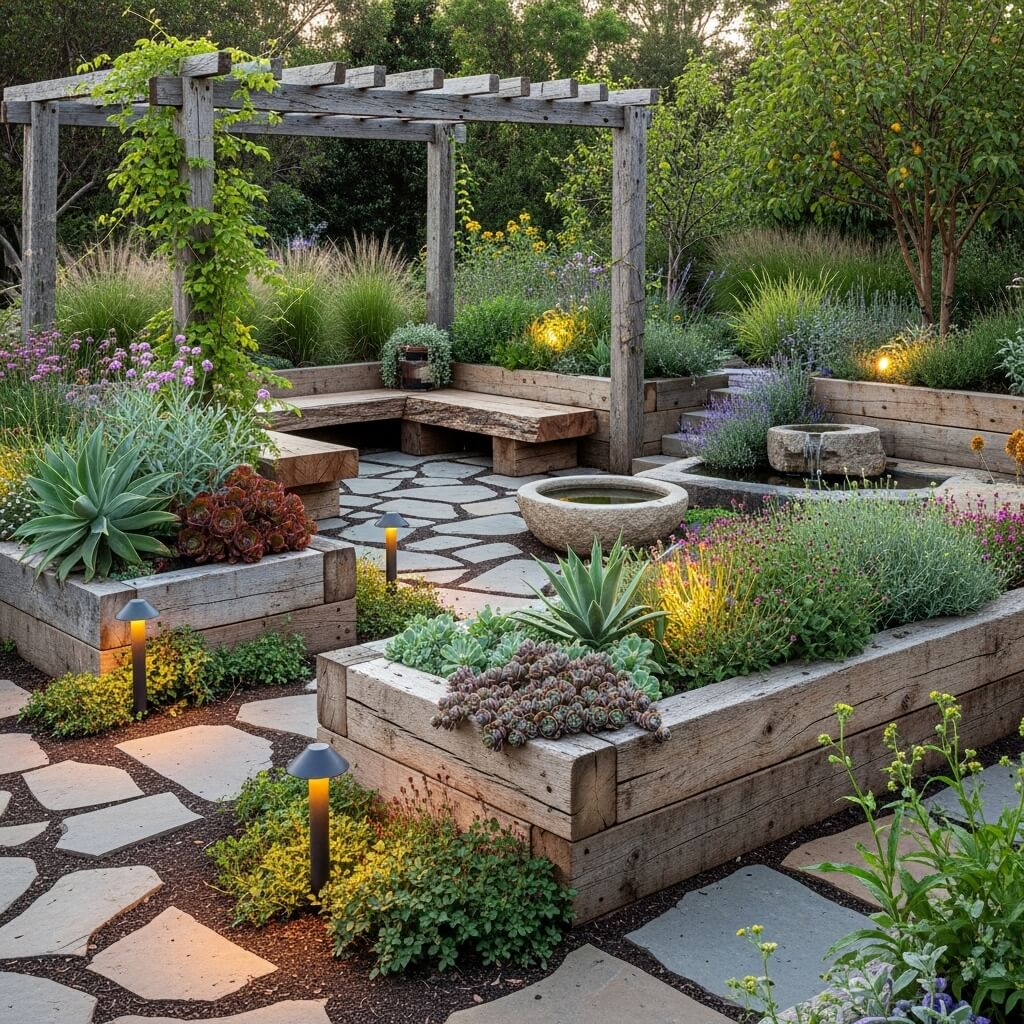
Sustainability isn’t just about water—it’s also about reducing waste. Using recycled or reclaimed materials in your landscape design helps conserve resources while adding character.
Reclaimed wood, recycled stone, and repurposed bricks can be used for borders, seating, pathways, and garden features. These materials often bring a unique, lived-in charm that new materials can’t replicate.
Pairing reclaimed elements with low-water plants creates a landscape that’s both eco-friendly and visually rich.
Tips for Transitioning to a Water-Wise Landscape
Switching to sustainable landscaping doesn’t have to happen overnight. Start small by replacing one section of lawn, upgrading irrigation, or introducing drought-tolerant plants.
Avoid common mistakes like removing all greenery at once or choosing plants unsuited to your climate. Planning and patience are key.
Regular maintenance, such as checking irrigation systems and refreshing mulch, helps keep your landscape efficient long-term.
Conclusion
Sustainable outdoor landscaping proves that beauty and responsibility can go hand in hand. By making thoughtful choices—whether it’s selecting the right plants, upgrading irrigation, or rethinking lawn areas—you can create an outdoor space that saves water and still looks incredible.
You don’t need to do everything at once. Even small changes can lead to meaningful water savings over time. Start with one idea, build from there, and enjoy a landscape that’s easier to maintain, kinder to the environment, and just as stunning as ever.
A water-wise yard isn’t just a trend—it’s a smart, lasting investment in your home and the planet.